
How to Prepare for an Annual Physical: A Practical Checklist

Getting ready for an annual physical doesn’t have to be a project. Bring accurate information, take care of a few things ahead of time, and be direct with your doctor about what’s actually going on. That covers most of it. The steps below are meant to hold up in a real household: busy schedules, tight budgets, and all, without losing sight of privacy or what one family can reasonably manage.
What this guide covers: preparing for a yearly physical or preventive visit: what to do a week or two ahead, what to bring, and which screenings and vaccines to ask about. For a fuller list of questions to ask during any checkup, see what to ask your doctor at a checkup. Seeing a new doctor for the first time? Start with our first appointment checklist.
Why preparation matters
An annual physical is most useful when it becomes a focused conversation rather than a rushed list of measurements. A little preparation helps your clinician understand changes since your last visit, identify gaps in preventive care, and decide which concerns deserve more time. It also reduces the chance that you remember an important symptom only after you have left the clinic.
Preparation does not mean diagnosing yourself or requesting every available test. It means bringing accurate information and a short, honest list of priorities.
One to two weeks before the visit
Confirm the appointment time, location, insurance or payment requirements, and whether fasting or laboratory work is actually needed. Do not fast, stop medicine, or change a dose unless the clinic specifically instructs you to do so.
Ask whether records from other doctors should be sent in advance. Review your family history and note any new diagnoses among close relatives. Write down recent changes in sleep, appetite, mood, energy, bowel or bladder habits, exercise tolerance, weight, or pain. Dates and patterns are often more useful than vague descriptions.
Prepare an accurate medication list
List prescription medicines, over-the-counter drugs, vitamins, herbal products, and supplements. Include the name, dose, how often you take it, why you take it, and who prescribed it.
A phone photo of each label can help, but a typed or written list is faster to review. Note missed doses, side effects, affordability problems, or difficulty following the schedule. Never hide a supplement because it feels unimportant; products can interact with medicines or affect laboratory results.

Choose your top three concerns
A routine visit has limited time. Rank your questions and lead with the issue that worries you most, especially if it involves chest discomfort, fainting, severe shortness of breath, significant bleeding, a new lump, or a major change in function.
Describe when the problem began, what makes it better or worse, how often it happens, and how it affects daily life. If several complex concerns exist, ask whether a follow-up appointment is appropriate.
Bring useful records, not a paper mountain
Bring identification, insurance details if relevant, immunization records, recent test results not already in the chart, specialist reports, and your medication list.
Home readings such as blood pressure or blood sugar should include dates, times, circumstances, and the device used. A simple document organizer can keep records together. If you use a home blood pressure monitor, bring it occasionally so the clinic can compare it with an office device and review your technique.
What may happen during the physical
The exact visit depends on age, health history, symptoms, pregnancy status, medicines, and local guidance. It may include a health-history update, vital signs, a focused physical examination, mental-health or substance-use questions, vaccination review, and discussion of screening tests.
More testing is not automatically better. Good preventive care matches the person, balances benefits and harms, and uses shared decision-making.
Day-of checklist
Before you leave home
Common mistakes to avoid
Avoid relying on memory, bringing unlabeled pills, assuming every annual visit requires the same blood tests, or changing medicine to make results look better.
Do not treat a routine physical as emergency care. New severe symptoms require timely assessment rather than waiting for a scheduled checkup. Finally, do not leave without knowing how follow-up will occur and whom to contact if a result is abnormal.
Preventive care to ask about
MedlinePlus describes the purpose of a regular checkup as screening for disease, reducing the risk of future problems, encouraging healthy habits, updating vaccinations, and keeping a relationship with a clinician you can call on when you’re sick. Problems like high blood pressure, high blood sugar, and high cholesterol often have no symptoms early on, which is why checks matter even when you feel fine.
Before the visit, look at what you might be due for:
- Blood pressure at every visit. If you’ve been checking at home, bring your log. Our guide to a home blood pressure log explains what to record.
- Screenings for your age and risk, such as cervical, breast, or colorectal cancer screening, diabetes testing, or cholesterol checks. Our guide to preventive screenings by life stage summarizes current USPSTF recommendations.
- Vaccines, including this season’s flu shot. CDC recommends a flu vaccine every season for everyone 6 months and older. See our guide to the 2026-2027 flu season.
- Mental health. The USPSTF recommends depression screening for all adults and anxiety screening for adults 64 and younger. It’s fine to bring up mood, stress, or sleep yourself.
- Tobacco, alcohol, and other substance use. Clinicians ask because help is available, not to judge.
After the visit
The work isn’t done when you leave the exam room. Within a day or two:
- Read the visit summary in your patient portal and check that the medication list matches what you take.
- Book any follow-up tests or referrals before you forget, and add the dates to your calendar.
- Write down when results are expected and how you’ll get them. If you don’t hear back, call. Silence doesn’t always mean a normal result.
- File the summary with your other records. Our family health binder guide shows a simple way to do it.
- Note the date of your next routine visit. MedlinePlus suggests asking your clinician how often you should have checkups.
Questions to ask before you leave
- Did any of my results or measurements change in a way we should watch?
- Which screenings or vaccines am I due for now, and which come next?
- Is there a medicine I could stop, simplify, or get more cheaply?
- What is the one change that would help my health most right now?
- Which symptoms should make me call before my next visit?
- Who will contact me about results, and when?
For more question ideas by topic, see our list of questions to ask at a checkup.
A note on safety and individual needs
Health advice is not one-size-fits-all. Age, pregnancy, disability, culture, access to care, medicines, and existing conditions can change what is appropriate. Use this article for preparation and discussion, not diagnosis or treatment.
Contact a qualified clinician for personal guidance. Seek emergency help for severe, sudden, or rapidly worsening symptoms, or whenever you believe someone may be in immediate danger.
Quick action checklist

Optional tools that may help
The options below are selected for a specific use described in this article. Amazon availability, sellers, model versions, and prices can change, so confirm the exact product and features on the listing. How we choose products: Items are selected for fit with the specific use described in this article, not as a paid promotion. We have not independently tested every listed product; confirm current specifications, certifications, and recall status on the manufacturer’s or retailer’s listing before buying.
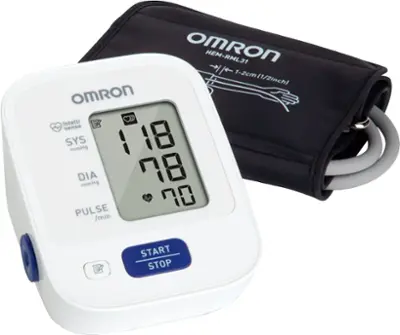
OMRON 3 Series Upper Arm Blood Pressure Monitor (BP7100)
A straightforward choice for readers who want a familiar upper-arm monitor without app setup. Confirm that the cuff range fits the user and compare the exact model with a recognized validated-device list before buying.
View on Amazon
OMRON Silver Wireless Upper Arm Monitor (BP5250)
A stronger fit for readers who want Bluetooth syncing and an easier way to bring organized readings to an appointment. Check phone compatibility, cuff size, and the exact model number on the listing.
View on Amazon
Smead Expanding File Organizer with Pockets
Useful for separating laboratory results, vaccination records, prescriptions, and insurance documents. Choose a size that holds full sheets without folding and labels that remain easy to update.
View on AmazonMore choices: Browse more annual-physical preparation supplies. Use this broader link for document wallets, tab dividers, medication-list notebooks, and other appointment organizers after comparing the named options above. Product mentions are optional conveniences, not medical endorsements.
Key takeaways
- Lead with your top concern and bring an accurate list of every medicine and supplement you take.
- Check before the visit whether fasting or lab work is needed. Don’t fast or stop medicines unless you’re told to.
- Ask which screenings and vaccines you’re due for, including this season’s flu shot, and bring any home readings.
- Before leaving, repeat the plan back, then book follow-ups and file the visit summary within a day or two.
Related reads
- Questions to Ask Your Doctor at a Routine Checkup: more questions to bring to any checkup
- Preventive Health Screenings by Life Stage: A Conversation Guide: which screenings fit your age
- Family Health Binder vs Digital Health Organizer: keeping visit summaries organized
- Seeing a New Doctor? What to Bring So Nothing Gets Missed: what to bring when you are establishing care
Frequently asked questions
Do I need to fast before an annual physical?
Only if your clinic tells you to. Some blood tests need fasting and many don’t. Ask when you confirm the appointment, and don’t skip medicines unless you’re told to.
How often should adults have a physical?
It depends on your age, health, and risk factors. MedlinePlus recommends asking your provider how often you should have checkups.
Should I bring my pill bottles?
A current written list is faster to review, but bringing the bottles helps if you’re unsure of names or doses, or take many medicines.
What if I have a new or worrying symptom?
Don’t save it for the physical if it’s severe or getting worse. Call your clinician or seek urgent care. Otherwise, mention it first at the start of the visit.