

Preventive Health
Leave Checkups With Unanswered Questions? What to Ask Your Doctor
How to get more out of a routine checkup: lead with your main concern, ask focused questions about results, prevention, and medicines, and leave with a plan you can repeat back.
7 min read
A routine checkup is often short, and the most important question is easy to forget once you’re in the room. A little preparation helps: knowing what you want to ask, bringing an up-to-date medication list, and confirming the plan before you leave. Below are questions grouped by topic. You won’t need all of them. Pick the three that matter most for this visit and write them down.
What this guide covers: what to ask during any routine checkup, grouped by topic, and how to leave with a clear plan. For what to gather and do in the week or two before a yearly physical, see our annual physical checklist. Seeing a new doctor for the first time? Our first appointment checklist covers records, registration, and how the practice works.
Start with the question that matters most
A good checkup is a two-way conversation. Begin with your biggest concern instead of saving it for the final minute. You might say, “The main thing I want help with today is…” Then give a short timeline, describe its effect on daily life, and mention what you have already tried. A health journal can help you notice patterns, but it should summarize rather than overwhelm the visit. If you’re not sure what to raise, our annual physical checklist lists what to gather and review before the visit.
Questions about your current health
Ask: Have any of my vital signs or results changed meaningfully? What could explain the change? Is it something to watch, repeat, or act on now? Are my symptoms likely connected, or should they be evaluated separately? What warning signs should make me call the clinic or seek urgent help? These questions turn numbers into decisions and clarify the difference between a minor variation and a clinically important trend.
Questions about prevention
Ask which vaccines and screening tests are appropriate for your age, history, and risk factors. Ask about benefits, possible harms, how often a test is needed, and what would happen after an abnormal result. Screening recommendations are not identical for everyone. Family history, previous results, pregnancy, smoking exposure, medicines, and local guidelines can change the plan. Our guide to preventive screenings by life stage can help you frame those questions, and it’s worth asking whether you’re due for this season’s flu vaccine.
Questions about medicines and supplements
For every medicine, ask what it is for, how to take it, what common side effects to watch for, and whether it interacts with food, alcohol, supplements, or other drugs. Ask whether you still need each item and whether a simpler or more affordable option exists. Do not stop a prescribed medicine based only on online information. If adherence is difficult, say why; cost, shift work, nausea, swallowing problems, and forgetfulness are solvable only when discussed. Bring the bottles or a current list that includes doses, over-the-counter medicines, vitamins, and supplements.
Questions about lifestyle advice
Instead of asking only “How can I be healthier?” make the question specific: What one change would have the greatest benefit for me right now? Is this activity safe with my current condition? What would a realistic food, sleep, or movement goal look like? How will we know whether it is helping? Ask for an achievable first step rather than a perfect plan that collapses after a week.
Questions about tests and referrals
When a test is suggested, ask what question it is trying to answer, how to prepare, what the risks are, and how results will be communicated. Ask what happens if you choose to wait. For a referral, ask how urgent it is, what records the specialist needs, and what you should do while waiting. If you cannot access the recommended service, tell the clinician so alternatives can be considered.
Before you leave
Ask for the plan in plain language: What should I do today? What should I monitor? When should I return? Who will contact me about results? Use the teach-back method by explaining the plan in your own words. If you feel embarrassed or confused, say so. Clear communication is part of safe care, not an inconvenience. After the visit, file the summary with your other records. Our guide to the family health binder shows a simple way to keep it all together.
A one-card question list
Write your questions on a single card or phone note so they fit on one screen. Put them in this order:
- Your main concern, in one sentence, with when it started and how it affects daily life.
- One or two follow-up questions from the topic sections above, such as what a changed result means or whether you still need a medicine.
- What should I watch for after this visit?
- How will I get results, and who do I call if I get worse?
Leave space underneath to write the plan in your own words. If you run out of time, the unanswered questions on the card become your portal message or next appointment agenda.
Don’t forget family history
Changes in your relatives’ health can change what your clinician recommends for you. A parent’s new diagnosis, a sibling’s early heart disease, or a cancer in the family may affect when screening starts. Mention any updates at each checkup. Our guide on how often to update your family health history explains what to collect and when.
Optional tools that may help
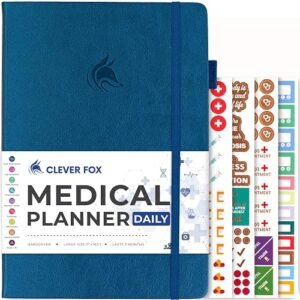
Option 1: Clever Fox Medical Planner and Health Journal — Designed for keeping questions, symptoms, appointments, medicines, and health notes in one place. Best for readers who prefer guided pages instead of a blank notebook.
Option 2: BookFactory Wellness Journal and Personal Health Diary — A practical choice for readers who want a durable, structured record for observations and discussion points. Check the current page layout to make sure it matches the information you plan to track.

Option 3: Five Star Expanding File with Pockets — Helpful when questions need to travel with printed results, referral papers, and visit summaries. Look for secure closure, clear dividers, and a size that fits the documents you actually carry.

More choices: Browse more doctor-visit journals and organizers — Use this link to compare other health journals, question notebooks, and portable document folders after reviewing the specific options above.
After-visit two-minute recap
If you still leave confused
- Ran out of time: portal-message the leftover list the same day; put the unanswered questions at the top of your one-card list for the next visit.
- Online advice conflicts: use how to verify health info before changing medicines.
- Family history missing: update with family health history habits.
Frequently asked questions
Can I use this guide instead of seeing a doctor?
No, it can help you prepare and organize better questions. It cannot assess your symptoms or your risks.
How often should I update my information?
Update it after meaningful changes in your health, medicines, or questions. Review it at least every six to twelve months. Bring the current list, not an old one.
What if the advice conflicts with my clinician’s instructions?
Follow the plan from the clinician who knows your history. Ask for clarification before you change treatment. Do not stop a prescribed medicine based only on something you read.
Medical disclaimer
This content is for general educational purposes only and is not medical advice, diagnosis, or treatment. Recommendations vary by person and location. Consult an appropriately qualified health professional about personal concerns. In an emergency, contact local emergency services.
Key takeaways
- Lead with your top concern and a short timeline.
- Bring a medicine list and ask what each is for.
- Repeat the plan before you leave.
- Do not wait on a routine slot for urgent symptoms.
Related reads
Sources
- Agency for Healthcare Research and Quality – Questions Are the Answer
- National Institute on Aging – Talking With Your Doctor Worksheets
Affiliate disclosure. This article contains Amazon affiliate links. If you buy through a qualifying link, Full Healthy Lives may earn a commission at no extra cost to you. Product mentions are optional, not medical advice.