
Worried About Halloween Hazards? A Costume and Decoration Safety Checklist
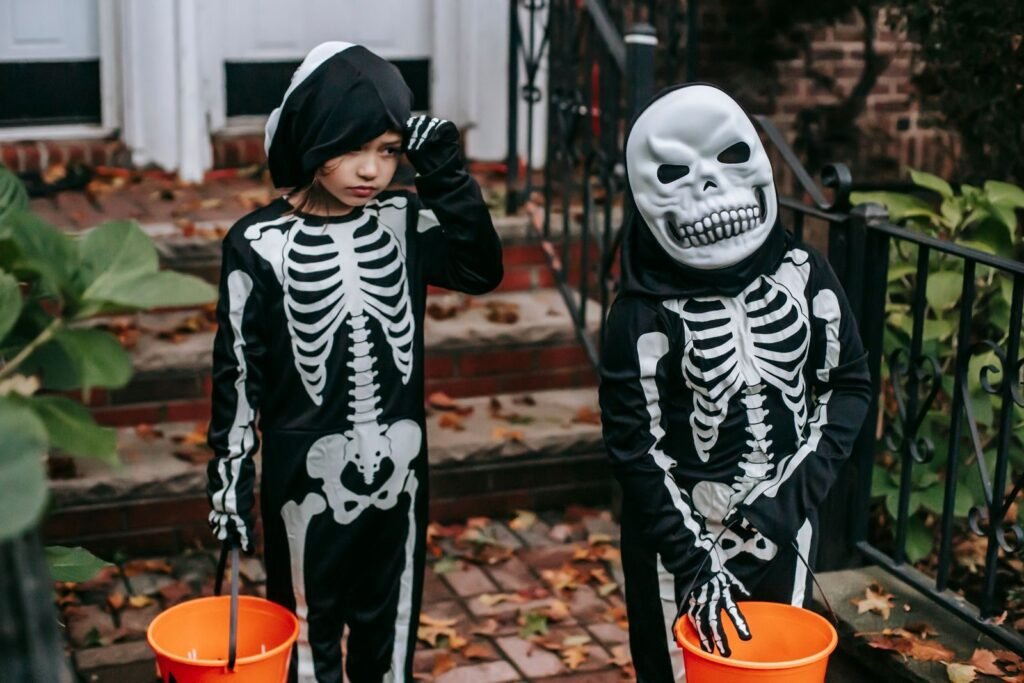
Halloween safety is mostly about ordinary risks: fire, visibility, falls, traffic, and damaged decorations. A short pre-Halloween check can reduce preventable hazards without taking the fun out of the night.
Why this topic matters now
Halloween combines costumes, darkness, visitors, candles, electrical decorations, and excited children moving quickly through unfamiliar spaces. CPSC guidance focuses on practical hazards rather than fear: costumes should fit safely and be visible, open flames should be controlled, decorative lights and cords should be in good condition, and walking routes should be clear.
What the current guidance actually says
CPSC advises choosing flame-resistant costume materials, improving visibility with bright colors or reflective material, and avoiding oversized or trailing costume elements that can increase fall or fire risk.
CPSC recommends flameless candles when possible and keeping real flames away from costumes, curtains, and other combustibles.
CPSC also advises checking decorative light sets for damaged wiring and avoiding overloaded extension cords. NHTSA’s Halloween guidance adds pedestrian basics: be visible, use sidewalks and crosswalks, and supervise younger children.
The Halloween safety checklist
Work through this list once a few days before Halloween, then repeat the last section at dusk on the night. It replaces separate “walk-through,” “quick check,” and “final check” lists, so everything is in one place.
1. Costume fit and vision (a few days before)
2. Visibility
Visibility matters more than whether a strip of reflective tape changes the look of the costume.
3. Candles, lights, and cords
4. Porch, path, and hosting at home
5. Before you head out
6. Final check at dusk
Conditions look different after dark. Step outside at the time trick-or-treaters will arrive and check five things: can you see the path and steps, are cords and decorations still where they should be, are any flames safely away from people, is the porch light on, and can drivers see children at the curb? If something fails, fix it or remove it rather than hoping for the best.
Treat this like other home hazard passes—recheck when the setup changes—and the same clear-path thinking from nursery safety checks applies to the porch.
If plans change or something feels unsafe on the night
- Weather turns bad: switch to an indoor scavenger hunt or a lit community event.
- The costume blocks vision: swap the mask for face paint and a hat.
- Homemade props break: leave them at home; safety beats the photo.
- Streets are darker than expected: add reflective tape or glow sticks, and have an adult walk with younger children.
- Traffic feels risky: choose a quieter block or an indoor event.
- You are running on empty: plan a shorter loop, and take a 10-minute reset before you go.
Age-by-age Halloween tips
- Toddlers: short routes, stroller backup, a glow stick, and an adult carries any bulky bags.
- School-age: agree the route and return time in advance; walk on sidewalks, or facing traffic where there are none; no entering homes.
- Tweens and teens: groups only, regular check-ins, and no unlit shortcuts or unsafe dares.
Older kids trick-or-treating without an adult
NHTSA recommends adult supervision for children under 12 who are out at night. If you decide an older child is ready to go with friends:
- Agree on the route, the streets that are off-limits, and a firm return time.
- Set check-in times by phone, and make sure the phone is charged.
- Insist on a group, well-lit familiar streets, and crossing at corners or crosswalks.
- Ask them to bring candy home before eating anything unwrapped or homemade from people they do not know.
Candy and allergy pass
Back home, sort the candy once, in good light:
Pets and drivers
Keep candy bowls and wrappers away from pets. Chocolate and sugar-free sweets containing xylitol can be dangerous for dogs; call your veterinarian right away if your dog may have eaten some. If you are driving on Halloween evening, slow down in residential areas, watch for children darting between parked cars, and enter and leave driveways carefully, as NHTSA advises.
Aftercare the next morning
Check feet for blisters, wash off face paint, and put the candy plan from the night before into practice. If a child has allergy symptoms that involve breathing or swelling, follow their allergy action plan and seek emergency care—do not wait it out.
Questions readers often ask
What does “flame resistant” mean on a costume?
It means the material is designed to resist ignition or slow burning; it does not mean the costume cannot burn. Keep costumes away from flames anyway.
Are glow sticks enough for visibility?
They can help, but reflective material and active adult supervision are also useful, especially near traffic.
Can I use indoor decorative lights outside?
Only if they are labeled for outdoor use. Follow the manufacturer’s instructions and keep connections protected.
What is the easiest safety improvement?
Replace open flames with flameless lights and clear the walking path before guests arrive.
Key takeaways
- Vision, flame safety, and clear paths beat elaborate props.
- Use one checklist a few days ahead, then a five-point check at dusk.
- Match the route and supervision to age and weather.
- Inspect candy and respect allergies.