
Did Your Baby Outgrow Your Safety Setup? When to Recheck Your Home
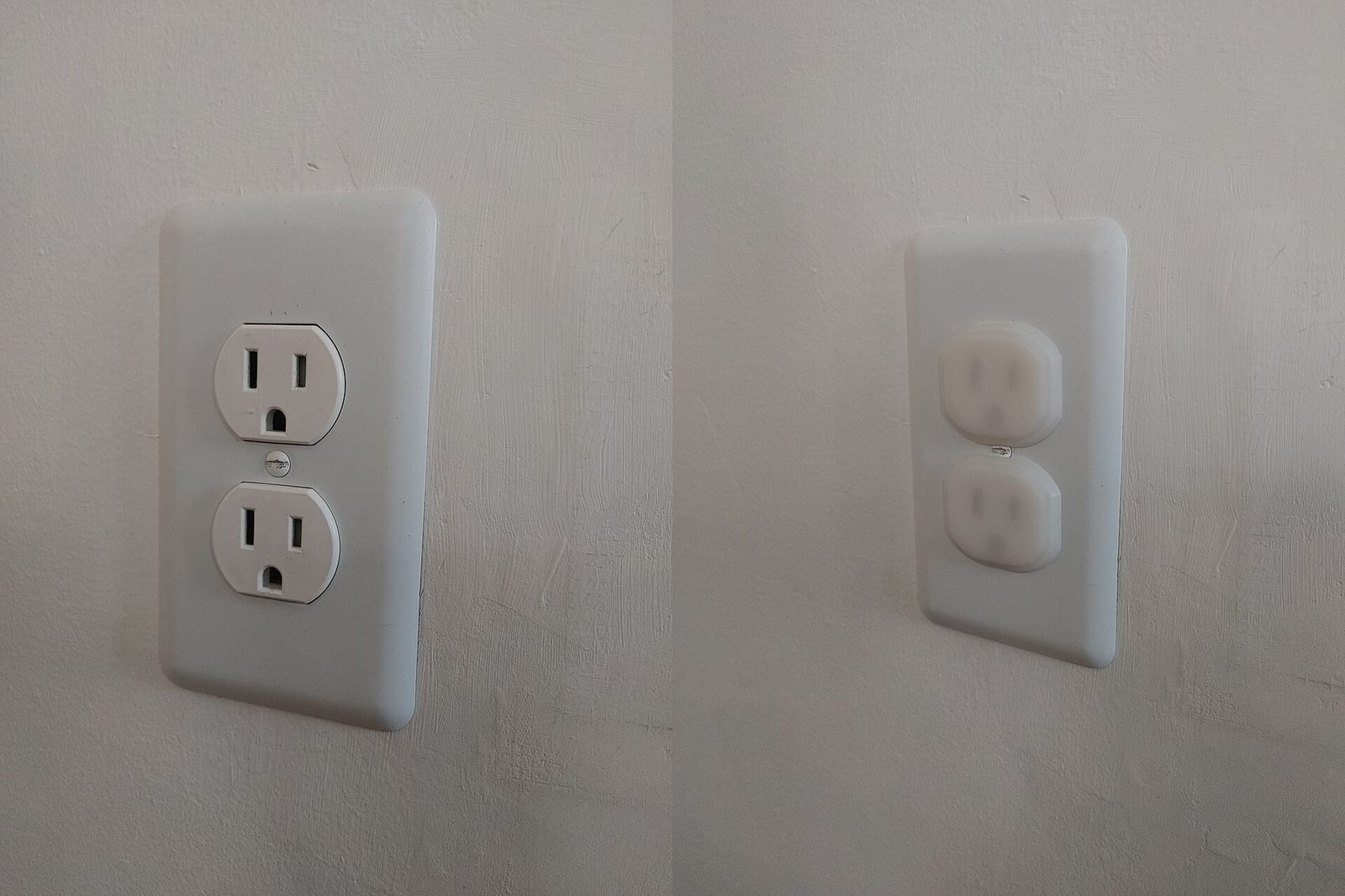
There is no universal medical rule to repeat a home baby-safety audit every fixed number of weeks. A better approach is trigger-based: reassess whenever your baby gains a new skill, your home changes, new gear arrives, or safety information changes.
Babyproofing is often treated as a one-time weekend project: install outlet covers, add cabinet latches, put up a stair gate, and declare the house finished. Real homes do not stay finished. Babies grow. Furniture moves. New products arrive. Grandparents visit. A crawling baby becomes a climbing toddler faster than many parents expect.
There is no universal evidence-based rule that every family must complete a full home safety audit every month, every three months, or every six months. A more useful approach is to recheck safety when something changes. Developmental milestones, new mobility, product recalls, room rearrangements, travel, and secondhand gear are all practical triggers.
The U.S. Consumer Product Safety Commission advises families to use safety devices appropriately, follow installation instructions, and check devices frequently to make sure they remain secure, properly installed, and maintained. That is different from prescribing a single calendar interval for the entire home.
What this guide covers: when to recheck a home you have already babyproofed, based on new skills, new gear, and changes at home. For setting up the nursery before birth, see the nursery safety checklist; for a full one-time walk-through of every room, see the room-by-room safety audit.
Recheck when your baby gains a new skill
Development is the biggest reason yesterday’s safe room may not be safe today. A newborn who stays where you place them has different hazards from a baby who can roll, crawl, pull to stand, cruise along furniture, or climb.
The American Academy of Pediatrics notes that babies can fall as they begin to move and may crawl as early as around six months. The exact age varies, so safety should be based on what your child can do, not what a milestone chart says they “should” be doing.
Reassess when your baby can:
- Roll over
- Sit independently
- Scoot or crawl
- Pull to stand
- Cruise along furniture
- Reach higher surfaces
- Open drawers or cabinets
- Climb onto furniture
- Turn door handles or manipulate latches
Do not wait for the skill to become consistent. The first successful attempt tells you the environment has changed.
Recheck fall hazards with every mobility jump
When babies begin rolling, changing tables, beds, sofas, and other raised surfaces become immediate fall risks. When they begin crawling, stairs and open doorways matter more. When they pull to stand, furniture stability becomes critical.
CPSC recommends safety gates to help prevent falls on stairs and advises that gates at the top of stairs be hardware-mounted rather than pressure-mounted. Gates should meet current safety standards and should not have entrapment openings.
Check gates regularly. Children pull, shake, climb, and lean on them. Hardware can loosen, walls can shift, and a gate that was secure when installed may not remain secure indefinitely.
Recheck furniture and televisions when pulling starts
CPSC warns that furniture, televisions, ranges, and other appliances can tip over and injure or kill young children. A baby who could not reach a dresser yesterday may use it to pull to standing tomorrow.
Anchor furniture and televisions according to manufacturer instructions. Recheck anchors after moving furniture, replacing a television, painting, changing rooms, or noticing looseness.
Do not place tempting objects such as toys or remote controls on top of unanchored furniture where a child may try to climb to reach them.
Recheck the sleep space as your baby grows
Infant sleep safety is not “set it and forget it.” Mattress height may need adjustment as a child becomes more mobile. Cords, monitor cables, wall decorations, and nearby furniture can become reachable.
HealthyChildren.org notes that falls from cribs are more likely when the mattress is too high for the child’s height or mobility. Keep cords and strings away from the crib and follow current safe-sleep recommendations for a firm, flat sleep surface without loose bedding or soft objects.
Reassess whenever you lower the mattress, move the crib, add a monitor, add wall decor, or change the room layout.
Recheck whenever new gear enters the home
A new high chair, used stroller, baby gate, play yard, toy, carrier, or sleep product should trigger a safety check. Confirm age and weight limits, assembly, required restraints, instructions, and recall status.
Secondhand products deserve extra review because parts, labels, or manuals may be missing. Do not assume a family hand-me-down is safe simply because it was used without a problem in the past.
Register eligible products with the manufacturer when possible so you can receive recall and safety notices.
Recheck recalls periodically
A product that was not recalled when you bought it can be recalled later. There is no single mandated frequency for parents to search recall databases, but checking after major product news, before reusing stored baby gear for another child, and when buying or receiving secondhand products is sensible.
You can search CPSC recalls by product or manufacturer. For car seats, use NHTSA and manufacturer resources.
If a product is recalled, follow the official remedy. Do not invent a repair unless the recall instructions specifically authorize it.
Recheck cabinets as reach expands
CPSC recommends latches and locks for cabinets and drawers containing medicines, household cleaners, laundry products, matches, lighters, knives, and other hazards. Child-resistant packaging is not childproof.
As children become more mobile, they may reach drawers that were previously irrelevant. They may also watch adults operate simple latches and learn quickly.
Test locks from the child’s side. Replace broken or unreliable devices. Keep medicines and dangerous chemicals in locked storage rather than relying only on height.
Recheck water hazards every time routines change
CPSC emphasizes constant supervision during bathing and notes that children can drown quickly. A bath seat or other product does not replace an attentive adult within reach.
Reassess water safety when you introduce a larger tub, start using a different bathroom, move to a home with a pool or spa, visit relatives with water features, or spend time near buckets, ponds, or open water.
For pools and spas, CPSC recommends layers of protection such as barriers, self-closing and self-latching gates, door alarms, and other safety systems. The specific setup depends on the property.
Recheck window and cord hazards
As children begin to stand and climb, windows become more accessible. CPSC recommends window guards or stops where appropriate and advises limiting openings. Window blind cords and other loops can create strangulation hazards.
Move cribs, beds, and climbable furniture away from windows when possible. Recheck after rearranging a room.
Recheck batteries and small objects at floor level
Button and coin batteries, magnets, medication tablets, coins, earrings, screws, and other small objects can appear on the floor after household activity even if the room was safe in the morning.
Make a floor-level scan part of normal cleanup, especially after visitors, repairs, unpacking packages, changing batteries, or older children playing with small-component toys.
If you suspect a child swallowed a battery, magnet, medication, or toxic substance, seek urgent expert guidance rather than waiting for symptoms.
Recheck after visitors
Guests change the environment. Handbags may contain medication. Suitcases may have toiletries or batteries. Older children may bring small toys. A grandparent may leave a drink, charging cable, or pill organizer within reach.
You do not need to treat visitors as hazards. Simply reset the environment after people arrive and again after they leave.
Recheck travel environments
Hotels, rentals, relatives’ homes, and vacation properties are not arranged around your child’s current mobility. Do a fast scan on arrival: sleep space, stairs, doors, windows, cords, medicines, cleaning products, pools, furniture stability, and choking hazards.
Portable safety devices can help, but supervision remains necessary because you may not be able to modify the space completely.
A practical schedule without pretending it is a medical rule
Use triggers first, then add a light calendar reminder. For example, you might do a five-minute room scan weekly, a more thorough check monthly, and a full review whenever a major milestone or home change occurs. Those intervals are organizational suggestions, not official medical requirements.
The most important checks happen when risk changes, not when a date arrives.
A room-by-room recheck
Kitchen Check cabinet locks, sharp objects, appliance cords, hot surfaces, cleaning supplies, magnets, and heavy items that can be pulled down.
Bathroom Lock medicines and chemicals, supervise water continuously, secure razors and cosmetics, and check for accessible cords or small items.
Living area Anchor furniture and televisions, secure cords, remove small choking hazards, check outlets, and inspect sharp corners or unstable decor.
Nursery Review safe sleep setup, mattress height, cords, monitor placement, furniture anchoring, and access to lotions, medications, or small items.
Stairs and hallways Test gates, railings, doors, night lighting, and anything a child can climb.
If you already babyproofed and still feel behind
- Your baby learned a new skill overnight: do a 10-minute trigger recheck the same day—rolling, crawling, pulling to stand, and climbing each open new hazards.
- Gates and locks failed: re-read the install instructions; pressure-mounted gates are wrong for the top of stairs. Replace worn hardware.
- Other caregivers undo your setup: post a one-page “how we keep this home safe” list on the fridge.
- You are unsure about a product: check recalls and compare with what to inspect on used gear before you keep using it.
Nursery basics still apply in every sleep space—see the nursery safety checklist. For night logistics that tempt unsafe sleep shortcuts, read sharing newborn nights.
Frequently asked questions
Is there a required number of weeks between safety checks?
No, there is no universal medical interval for a full home audit. Recheck when your baby gains a skill, the rooms change, or new gear arrives. Also test gates and anchors often, because hardware loosens.
Can locks and gates replace supervision?
No, CPSC notes that determined toddlers can beat safety devices. Gates, locks, and anchors lower risk. They do not replace an adult watching.
Should I check a grandparent’s house too?
Yes, if your child will spend time there. Falls, cords, medicines, and unsecured furniture still matter. Homes without young children may have more of those within reach.
Key takeaways
- Recheck safety on triggers—new skills, new gear, moved furniture—not on a random calendar slogan alone.
- Watch for climb points, cords, soft sleep clutter, and gates installed in the wrong places.
- Update other caregivers whenever the setup changes.
- Verify recalls when you add or inherit products.
Related reads
The bottom line
Do not think of baby safety as a one-time project or a rigid calendar task. Think of it as a system that must keep up with development. Recheck after new skills, room changes, travel, new or secondhand gear, recalls, and household changes. Test safety devices frequently, and remember that no lock, gate, or anchor replaces active supervision.
Medical disclaimer
This is general information, not personal medical advice, diagnosis, or treatment. A clinician should guide decisions about symptoms, medicines, vaccines, pregnancy, or children. In an emergency, contact local emergency services.
Sources
- CPSC, Childproofing Your Home: https://www.cpsc.gov/safety-education/safety-guides/kids-and-babies/Childproofing-Your-Home
- AAP HealthyChildren, Safety for Birth to 6 Months: https://www.healthychildren.org/English/ages-stages/baby/Pages/Safety-for-Your-Child-Birth-to-6-Months.aspx
- AAP HealthyChildren, Make Baby’s Room Safe: https://www.healthychildren.org/English/safety-prevention/at-home/Pages/Make-Babys-Room-Safe.aspx
- CPSC, Recalls: https://www.cpsc.gov/Recalls