
Baby Safety Month 2026: A Room-by-Room Baby Gear Safety Audit
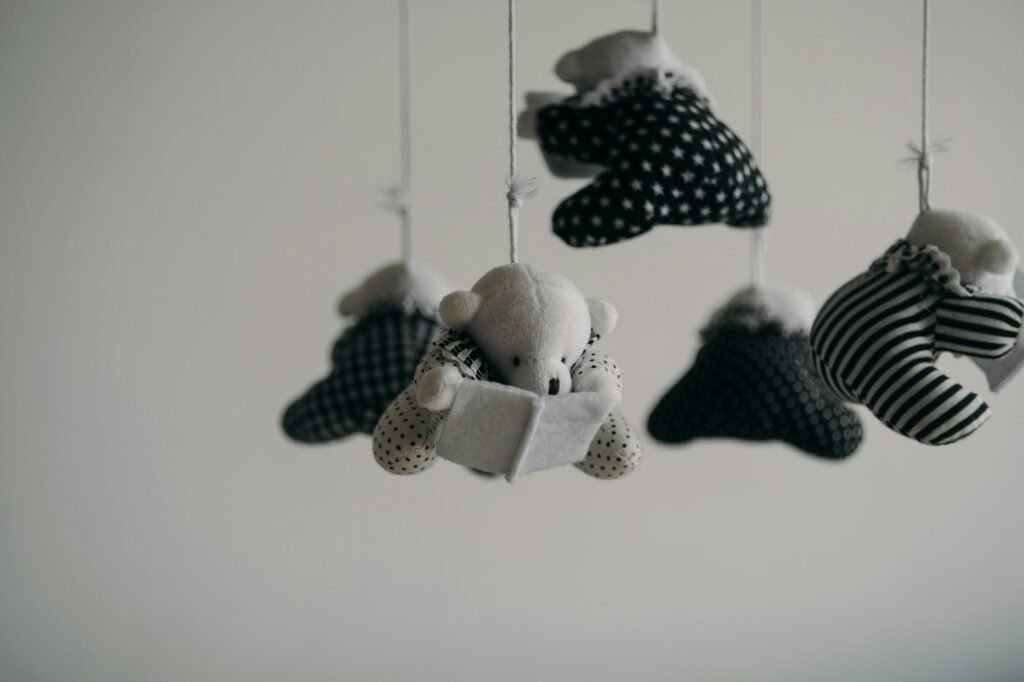
What this guide covers: a one-time, whole-home safety walk-through, room by room, including sleep spaces, furniture, cords, bath and feeding gear, and recalls. For setting up the nursery before birth, see the nursery safety checklist; for when to repeat checks as your baby grows, see when to recheck baby safety at home.
Why a room-by-room audit works better than a single checklist
Baby Safety Month falls every September, and it gives families a real reason to revisit routines that usually lose out to school, work, appointments, and everything else competing for attention. This guide turns a baby-gear safety audit into six manageable checks instead of one overwhelming project. The goal isn’t a picture-perfect nursery. It’s catching what actually causes injuries: sleep setups, climbable furniture, cords and small objects, water areas, worn gear, and outdated recall information.
Because seasonal advice can go stale, this guide separates stable safety principles from details you should recheck yourself, such as current CPSC recalls, product specifications, and manufacturer instructions. Adapt everything below for your child’s age, ability, and any medical needs. If a step feels too ambitious, shrink it. A simple audit done consistently beats an elaborate one that never gets finished.
The six-step audit
1. Start with the sleep space
The sleep area deserves first attention because babies spend many hours there, and soft, adult-style sleep setups can create serious hazards. CPSC guidance is built around using products intended for infant sleep that meet federal requirements, placing babies on their backs, and keeping the sleep surface bare except for a fitted sheet.
Remove pillows, loose blankets, padded bumpers, positioners, and stuffed items from the sleep space, confirm the mattress is firm and fits properly, check crib hardware and slats for damage or looseness, move a sleeping baby out of a swing or similar product into an approved sleep space, and review current recall information. CPSC also warns against weighted blankets and weighted swaddles, and says inclined products such as rockers, gliders, and swings should never be used for infant sleep.
A safe sleep space can look surprisingly plain, and that’s not a design failure. Decorative items belong elsewhere in the room, away from the crib, where they can’t become part of the sleeping environment. Don’t use an inclined product, rocker, glider, soother, or swing as an infant sleep space. CPSC advises moving a baby who falls asleep elsewhere to a firm, flat crib, bassinet, play yard, or bedside sleeper meant for sleep.
If you buy anything: when comparing cribs, bassinets, play yards, or bedside sleepers, prioritize compliance information, stability, and correct mattress fit over styling.
2. Audit dressers, TVs, and climbable furniture
Once babies begin pulling up, cruising, and climbing, furniture that seemed harmless can become an injury risk. Heavy items should be stable and anchored according to current guidance and the product’s instructions.
Anchor dressers and other tip-prone furniture, place televisions on stable low bases or mount them correctly, keep tempting objects off the tops of climbable furniture, close and latch drawers where practical, and check that anchor hardware remains tight. CPSC adds that freestanding ranges and stoves should be installed with anti-tip brackets.
Childproofing isn’t a one-time newborn task; the room changes as your child’s mobility changes. A six-month-old who can’t reach a cord today may pull it next month, so schedule repeat checks. No child-safety device is completely childproof: supervision and safe placement still matter even when locks and anchors are installed.
If you buy anything: match furniture anchors to the furniture and wall type, and follow the installation instructions rather than improvising attachment points.
3. Check cords, outlets, batteries, and small objects
Cords, accessible electrical items, button batteries, loose hardware, and other small objects become hidden hazards once a baby starts reaching, crawling, or mouthing objects.
Move dangling cords out of reach, use cordless window coverings where possible, keep spare batteries and button-cell devices secured, scan the floor and low shelves for coins, caps, magnets, and loose parts, and cover or block outlets in a way appropriate for your home. CPSC also recommends window guards or netting that limit openings to 4 inches or less, with at least one window in each room that adults can still open quickly for a fire escape.
The easiest way to find hazards is to get down to the baby’s eye level: sit or crawl through the room and look for what’s reachable from the floor, a crib, or nearby furniture. Small-object hazards can change daily as guests, older children, and household routines introduce new items, so recheck after parties, travel, repairs, or toy changes.
If you buy anything: choose safety devices that are hard for children to defeat but easy enough for adults to use correctly every time.
4. Review the bathroom and water areas
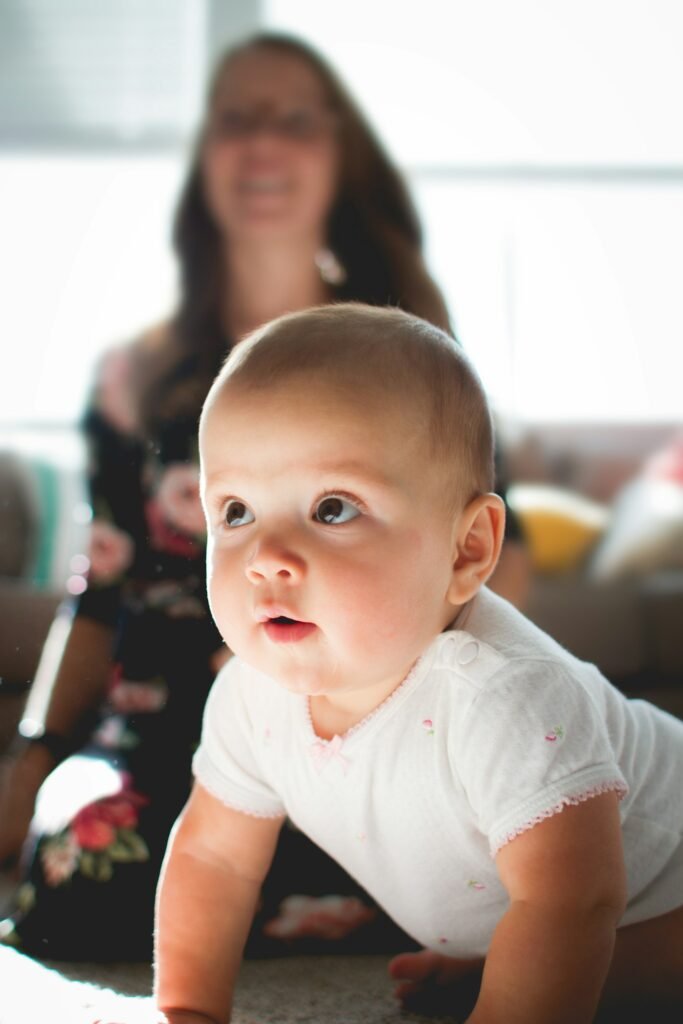
Water safety comes down to close supervision and simple routines. Babies and toddlers can get into trouble quickly around tubs, buckets, and toilets. Swimming pools are not the only risk.
Keep bath supplies within adult reach before the bath begins, empty buckets and tubs right after use, store cleaning pails where children can’t access them, use non-slip surfaces where appropriate, and make sure another adult takes over before you step away. To help prevent scalds, CPSC notes the water heater can be set to 120°F or lower.
The biggest safety improvement is often logistical: prepare the towel, diaper, clothes, and soap before the child is in the water, so you’re not tempted to leave for one forgotten item. Never rely on a bath seat or other product as a substitute for active supervision.
If you buy anything: a bath organizer can keep essentials within reach, but it shouldn’t create clutter, instability, or an accessible collection of small items.
5. Inspect feeding, stroller, carrier, and travel gear
Gear used every day can gradually loosen, wear, or stop fitting. September is a good checkpoint for straps, buckles, brakes, fasteners, wheels, fabric, and labels before fall outings or holiday travel.
Inspect stroller brakes and wheel attachment points, check harness routing and buckle function, review carrier weight and positioning guidance, look for cracks, tears, missing fasteners, or improvised repairs, and confirm the product still fits your child’s current size and stage. Our stroller buying guide and baby carrier guide explain what a good fit looks like at each stage.
A product can be in good physical condition and still be wrong for a child’s current developmental stage. Outgrowing gear is normal, and fit guidance is part of safety, not optional fine print. Never use damaged equipment just because it was expensive or sentimental; use approved replacement parts if the manufacturer offers them.
If you buy anything: choose gear with clear instructions, accessible customer support, and easy-to-find model information.
6. Build a recall and product-registration habit
Safety information can change after purchase. Product registration and recall checks help families receive or find updated warnings and remedies.
Record the manufacturer, model, and date information for major baby products, register eligible products with the manufacturer, check CPSC recall information before using secondhand gear, keep manuals or digital copies in one folder, and recheck recalls before passing an item to another family. Our step-by-step guide to checking baby product recalls shows how to match a notice to your exact item.
You don’t need a complicated database. A photo of the product label plus a simple note in a household file makes future recall checks much easier. Never sell, donate, or give away a product recalled in a way that makes continued use unsafe; follow the recall remedy instructions.
If you buy anything: a simple accordion file or digital document organizer can be more useful than a specialized baby binder if it keeps model numbers, receipts, and manuals together.
Useful Amazon product ideas
These are broad Amazon search links, not endorsements of a single product. Availability, pricing, seller quality, specifications, and recalls can change, so compare current listings before buying. How we choose products: Items are selected for fit with the specific use described in this article, not as a paid promotion. We have not independently tested every listed product; confirm current specifications, certifications, and recall status on the manufacturer’s or retailer’s listing before buying.
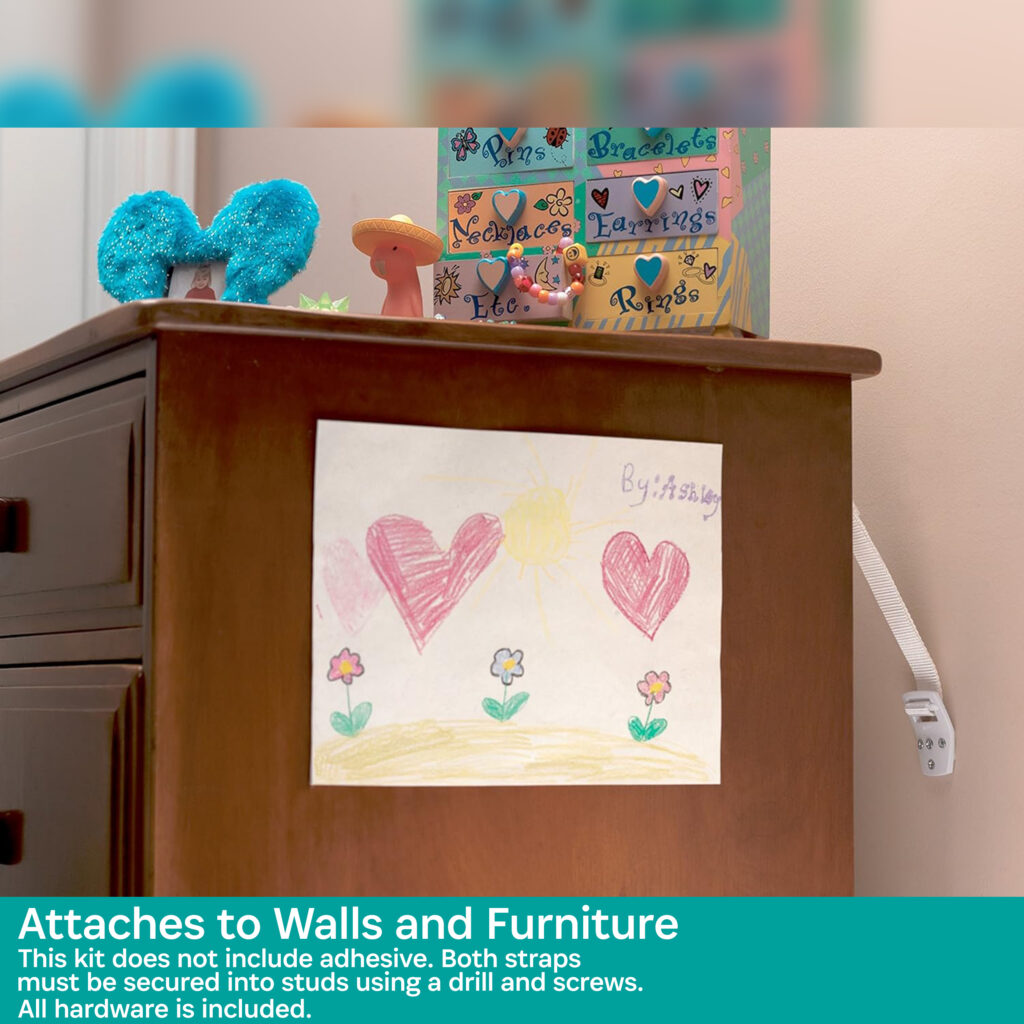
Furniture anchors
Match the anchor system to the furniture and wall material and follow installation instructions exactly.
View on Amazon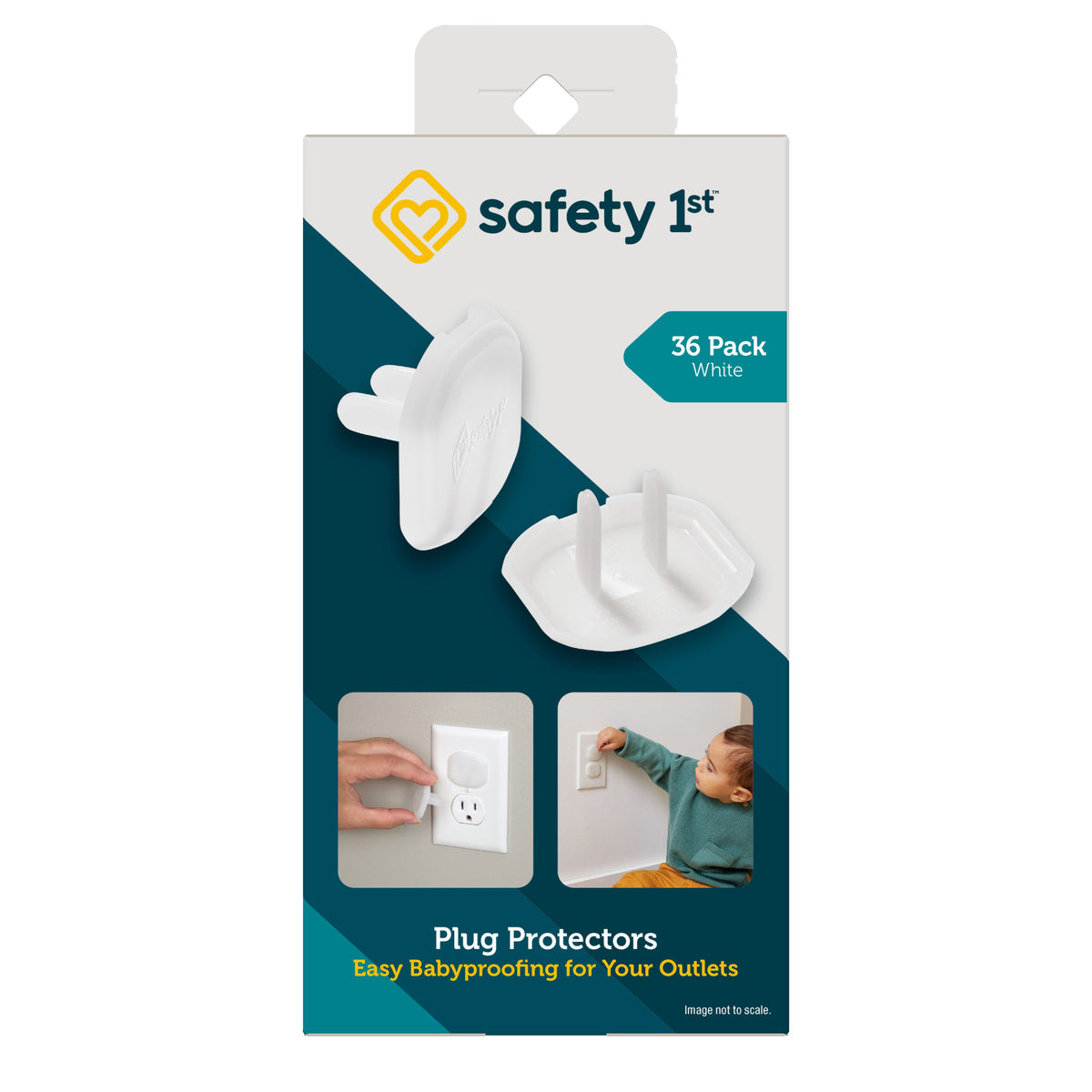
Outlet covers
Compare secure fit, ease of adult use, and compatibility with the outlets in your home.
View on Amazon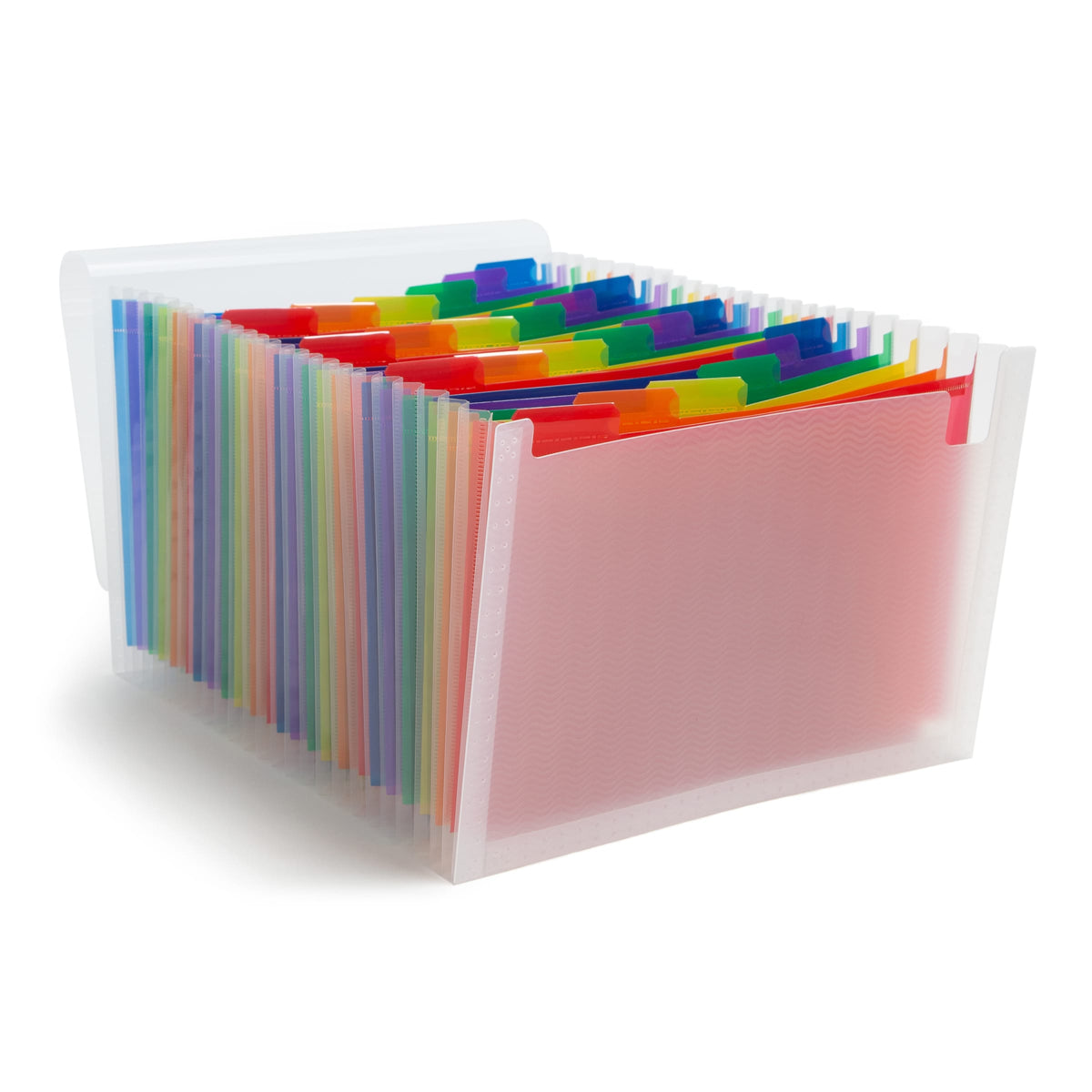
Baby product organizer
Use it for manuals, model numbers, receipts, and recall information rather than as a substitute for current safety checks.
View on AmazonQuick action checklist
Key takeaways
- Start with sleep: a crib, bassinet, or play yard with only a fitted sheet, baby on their back, and nothing inclined or weighted.
- Anchor dressers, TVs, and ranges, and get down to floor level to find cords, button batteries, and small objects.
- Get bath supplies ready before the bath, stay within reach the whole time, and empty water right after use.
- Recheck strollers, carriers, and car seats as your child grows, register products, and look up recalls before using secondhand gear.
Related reads
- How to Check Baby Product Recalls Before You Buy or Use Gear: how to check any product for recalls
- Baby Carrier Buying Guide: Fit, Positioning, and Safety Checks: safe positioning in a carrier
- National Preparedness Month 2026 Family Emergency Kit: adding baby supplies to your emergency kit
- Not Sure Your Nursery Is Safe? What to Check Before Baby Arrives: setting up the nursery before birth
- Did Your Baby Outgrow Your Safety Setup? When to Recheck Your Home: when to repeat checks as your baby grows
Frequently asked questions
What does “Bare is Best” mean for infant sleep?
CPSC uses “Bare is Best” for a sleep space with a firm, flat surface and a fitted sheet only, without pillows, loose blankets, padded bumpers, stuffed toys, or other soft items.
Can a baby sleep in a swing if they fall asleep there?
No. Move a baby who falls asleep in a swing, rocker, or other product not designed for sleep into a crib, bassinet, play yard, or bedside sleeper intended for sleep.
How often should I check baby gear for recalls?
Check when you first get the product, before using anything secondhand, when preparing for a new baby, and periodically while it’s still in use. Register products when you can so you receive updates directly.
Is childproofing enough without supervision?
No. Safety devices reduce risk but don’t replace active supervision. Children develop quickly and can learn to bypass latches, gates, and barriers.