
Practical Lifestyle
Want a Healthier Home on a Tight Budget? What to Buy First
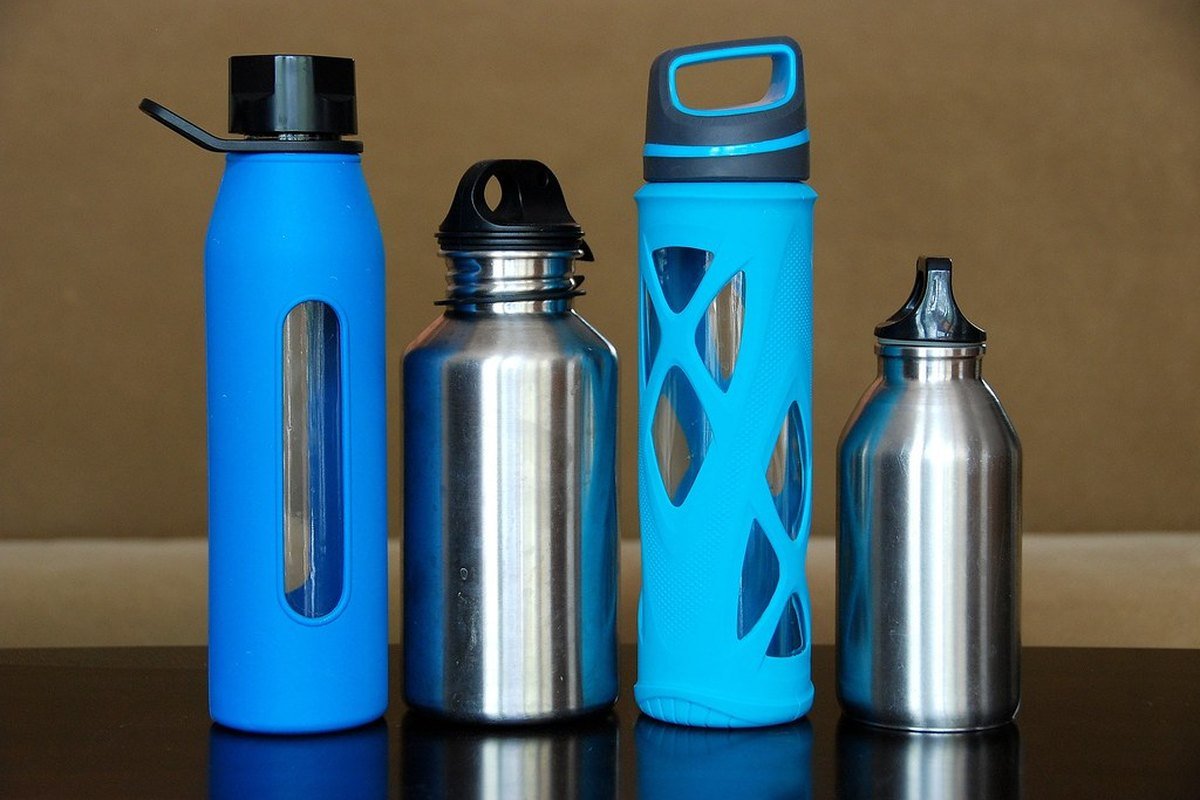
Where a small household budget does the most good: the safety basics to cover first, inexpensive tools for safe food storage and water, and how to buy one thing at a time.
9 min read
A healthier home doesn’t come from a cart full of wellness products. On a tight budget, the best first purchases are the ones that prevent a serious problem or remove a barrier you run into every day. This guide puts them in order: safety basics first, then food safety, then the everyday tools for water, meals, and movement. After that, a simple way to buy one thing at a time so nothing ends up in a drawer.
Step 1: Look at your real week before you shop
For one ordinary week, notice where something keeps getting in the way. Maybe no one drinks water because the only bottle leaks. Maybe leftovers get thrown out because there’s nothing to store them in. Maybe a morning stretch never happens because the floor is cluttered. Write down each barrier and how often it came up. That list, not a product roundup, is your shopping list.
Include your constraints honestly: a rental, a small kitchen, shift work, a shared room, a disability, or a very small budget all change what “practical” means. A plan that fits your actual space and time will be used. One that fits an ideal home won’t be.
Step 2: Cover the safety basics first
These items prevent emergencies, so they come before anything that just makes life more pleasant.
Working smoke alarms
The U.S. Fire Administration recommends smoke alarms inside and outside each bedroom and sleeping area and on every level of the home, including the basement. Test them every month, replace 9-volt batteries at least once a year, and replace the whole alarm 10 years after its manufacture date. Basic alarms start at a few dollars. Some fire departments give out or install free battery-operated alarms, so call your local department’s nonemergency number before buying. If you rent, ask your landlord too.
Carbon monoxide alarm
If your home has gas appliances, a fireplace, or an attached garage, a carbon monoxide alarm is worth adding to the list. Our fall indoor air quality checklist explains placement and testing along with other ways to keep indoor air healthier.
A basic first aid and emergency supply
You don’t need a premade kit to start. Many families build one over a few months from things they already have, plus a few essentials such as bandages, a thermometer, and a flashlight with spare batteries. Our family emergency kit checklist lists what to gather and how to keep it current.
Safe storage for medicines and cleaners
Store medicines and household chemicals up high, out of children’s reach and sight, and keep cleaning products away from food. If you have young children, a few inexpensive cabinet latches are a good early buy. Our room-by-room baby safety audit goes through the rest of the home.
Step 3: Make safe food storage easy
Food that spoils or sits too warm costs money and can make people sick. A few small tools go a long way.
- An appliance thermometer. The FDA recommends keeping the refrigerator at or below 40°F and the freezer at 0°F, and notes that appliance thermometers are generally inexpensive and the best way to check. Place one in each, near the front, and check at least once a week.
- Containers in the sizes you actually use. USDA’s Food Safety and Inspection Service (FSIS) advises dividing large amounts of food into shallow containers so they cool quickly, and covering or sealing leftovers. A mix of shallow containers works better than one large set of identical boxes.
- A labeling habit. FSIS says leftovers keep 3 to 4 days in the refrigerator or 3 to 4 months in the freezer. A roll of masking tape and a marker for the date costs almost nothing and cuts waste.
Refrigerate leftovers within 2 hours of cooking, or within 1 hour if it’s above 90°F. Don’t pack the refrigerator so tightly that air can’t circulate.
Glass, plastic, or stainless steel?
Each has trade-offs. Glass is easy to clean and doesn’t stain, but it’s heavier and can break. Plastic is light and cheap, but follow the maker’s microwave and dishwasher guidance and replace pieces that crack or warp. Stainless steel is durable but usually can’t go in the microwave. Many households end up with a mix: glass for home leftovers, lighter containers for lunches. Our guide to kids’ lunch containers covers packing food to go.
Step 4: Make water the easy choice
A reusable bottle helps only if it’s pleasant to drink from and easy to clean. Look for a wide enough opening to scrub, a lid you can take apart, and a size that fits your bag and your car’s cup holder. One good bottle per person, washed daily, is enough. A filter pitcher is optional. Decide based on taste and on any local water quality information from your utility, not on marketing claims.
Step 5: Make movement possible at home
The CDC’s guidelines for adults call for at least 150 minutes of moderate-intensity activity a week, such as brisk walking, plus muscle-strengthening activities on 2 or more days. It can be broken into short sessions, and any amount is better than none. Most of that costs nothing: walking, stairs, bodyweight exercises, and dancing in the kitchen. Our guide to walking after meals shows how to fit short walks into the day.
If you want one purchase, a stable non-slip mat can make floor exercises, stretching, or playing with children more comfortable. Clearing a patch of floor and wearing supportive shoes may matter more.
Step 6: Spend on durability, not claims
Inexpensive doesn’t have to mean disposable. When comparing options, look for:
- Simple, clearly described materials and care instructions.
- Replaceable parts, such as lids, seals, and batteries.
- Closures and hinges that feel solid, not flimsy.
- A realistic warranty and a maker you can contact.
Be wary of products that promise to detox, purify, or boost immunity. Those claims are rarely backed by evidence, and they tend to come with higher prices.
Step 7: Buy in stages
Buy one high-use item, use it for two or three weeks, and add the next only when the first has clearly helped. This avoids a cupboard of half-used gadgets and lets you see what actually changes your routine. A sample order for a household starting from scratch:
- Smoke alarm check, plus free or low-cost alarms where they’re missing.
- Refrigerator and freezer thermometers.
- A few shallow food storage containers.
- One easy-to-clean water bottle per person.
- Cabinet latches, if you have young children.
- A mat or other movement item, if a real barrier remains.
If food spending is the biggest strain, a weekly plan saves more than any single product. Our beginner’s meal-planning system is a good place to start.
Optional tools to compare
These are examples for the three areas people most often ask about. None is required. Buy one only if it solves a problem you noticed in your week.
Reusable water bottles
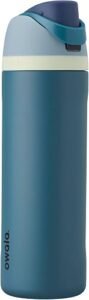
Owala FreeSip Insulated Stainless Steel Water Bottle
A covered-spout option for readers who like both sipping and tilting to drink.
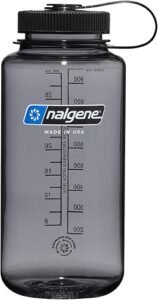
Nalgene Wide Mouth Water Bottle
A lightweight, simple bottle with a wide opening that is easy to fill and inspect.
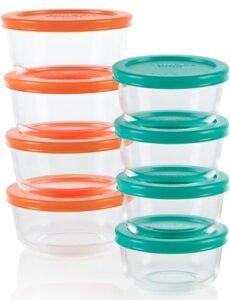
Glass food storage containers
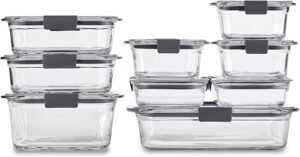
Rubbermaid Brilliance Glass Food Storage Set
A modular glass set with clear locking lids for readers who want stackable meal storage.
Pyrex Simply Store Glass Food Storage Set
A classic mixed-size set for leftovers, batch cooking, and general refrigerator use.
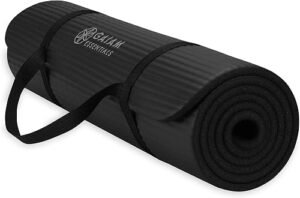
Non-slip exercise mats
Gaiam Essentials Thick Yoga Mat
A cushioned general-purpose option for stretching and floor-based movement.
Healthy-home steps that cost nothing
- Press the test button on every smoke alarm and carbon monoxide alarm once a month, and note the date on a calendar.
- Move medicines, vitamins, and cleaning products up high and out of sight, and keep them in their original containers.
- Save Poison Control (1-800-222-1222) in every adult’s phone.
- Run the bathroom fan or open a window when showering or cooking to reduce moisture.
- Put water in a jug in the fridge so it is the first drink people see.
These habits cover more of what makes a home safer and healthier than any product on this page.
When to get help
Call your local fire department’s nonemergency line about free smoke alarms or a home safety visit. If you suspect carbon monoxide or your CO alarm sounds, get everyone outside and call 911. If someone may have swallowed a medicine or cleaning product, call Poison Control at 1-800-222-1222. If cost is keeping you from food, medicine, or safe housing, a social worker, your clinic, or a local 211 service can point you to programs that help.
Buy-first vs wait list
Often worth buying soon: working smoke/CO alarms, a basic first-aid kit you will restock, a thermometer, and cleaning tools you will use. Usually wait: specialty “wellness” gadgets, duplicate organizers, and supplements marketed as detox. Spend the difference on food you will cook or on fixing a leak that affects air quality.
If spending still outpaces impact
- You bought gadgets first: return unused devices and restart with free steps—ventilation, cleaning schedule, smoke/CO alarm checks from indoor air basics.
- Storage chaos wastes food and medicines: one clear shelf beats new containers; expire-check the medicine area.
- You need a command hub, not more stuff: try a simple family command center before more bins.
- Health claims drive purchases: verify with how to check online health advice.
Frequently asked questions
What should I buy first?
Safety basics come first: working smoke alarms, and a carbon monoxide alarm if your home has fuel-burning appliances or an attached garage. After that, choose the item that fixes the most frequent barrier in your week.
Are expensive wellness products better?
Not necessarily. A plain, durable, easy-to-clean item often does the job as well. Be skeptical of health claims on household products.
Do I need an exercise mat?
No. Safe floor space and comfortable shoes may be enough. A non-slip mat helps if you do floor exercises or stretching often.
How can I tell if my refrigerator is cold enough?
Use an inexpensive appliance thermometer. The FDA recommends 40°F or below in the refrigerator and 0°F in the freezer.
Key takeaways
- Spend first on safety and friction reducers you will use—alarms, basic first aid, cleaning tools you maintain.
- Prefer free behavior changes before specialty gadgets.
- One clear system beats scattered “wellness” purchases.
- Skip products whose health claims you cannot verify.
Related reads
Sources
- U.S. Fire Administration – Smoke Alarms
- U.S. Food and Drug Administration – Are You Storing Food Safely?
- USDA Food Safety and Inspection Service – Leftovers and Food Safety
- CDC – Adult Activity: An Overview
- MedlinePlus – Medicine Safety and Children
Medical disclaimer
This is general information, not personal medical advice, diagnosis, or treatment. A clinician should guide decisions about symptoms, medicines, vaccines, pregnancy, or children. In an emergency, contact local emergency services.
Affiliate disclosure. This article contains Amazon affiliate links. If you buy through a qualifying link, Full Healthy Lives may earn a commission at no extra cost to you. Product mentions are optional, not medical advice.