
Healthy Eating Feels Like Too Much Work? Set Up Your Kitchen to Help
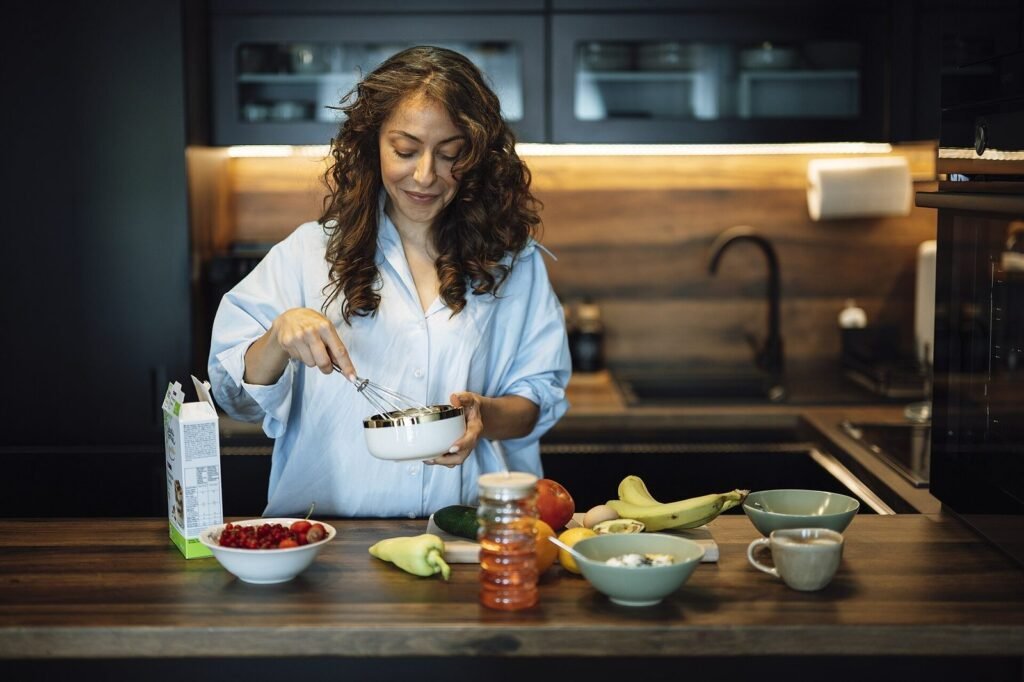
Your kitchen can add friction or remove it. A few changes in visibility, storage, and prep can make everyday meals easier without turning the room into a complicated system.
October 17, 2026 • Practical Lifestyle
Introduction
Healthy eating depends on more than knowledge; it also depends on what is visible, available, prepared, and easy to reach when people are hungry.
What the evidence and guidance actually say
- CDC recommends planning meals and keeping a variety of nutrient-dense foods available, including protein foods, fruits, vegetables, healthy fats, dairy foods without added sugars, and fiber-rich whole grains.
- Research on implementation intentions suggests that specific if-then plans can help people translate healthy-eating intentions into behavior, especially for adding healthy foods.
- No kitchen layout can guarantee a healthier diet, and research does not establish one universally optimal pantry arrangement.
Design around the meals you actually eat
Start with your real breakfasts, lunches, dinners, and snacks instead of an idealized menu. If weekday breakfast is usually yogurt and fruit, keep bowls, spoons, yogurt, fruit, and toppings where they can be assembled with minimal searching.
Make useful foods visible
Foods that are easy to see and reach are easier to remember. Place ready-to-eat fruit where it is visible, keep washed vegetables at eye level in the refrigerator when storage guidance allows, and group everyday proteins together.
Reduce prep friction
The barrier is often not cooking skill but the number of steps between hunger and a meal. Keep a cutting board accessible, store reusable containers together, and maintain a small set of dependable ingredients that can become multiple meals.
Create meal building blocks
A flexible kitchen works better than one stocked for a single recipe. Examples include cooked grains, eggs, canned beans, frozen vegetables, fruit, yogurt, canned fish, nut or seed butter, and simple seasonings, adjusted for your dietary needs.
Use an emergency meal shelf
Busy nights are predictable even when their exact date is not. Keep two or three shelf-stable or frozen combinations that can become dinner faster than ordering food, such as beans plus rice and vegetables or soup plus whole-grain bread and a protein side.
Keep snacks intentional
A snack area can help with convenience without turning snacks into an all-day default. Pair fruit or vegetables with protein or another satisfying food when that fits your needs, and portion portable items ahead only if that saves time.
Review waste, not aesthetics
The best signal of a useful kitchen setup is whether food gets eaten and meals get easier. Once a week, notice what spoiled, what ran out, and what nobody used, then adjust the shopping list or storage location.
A 15-minute kitchen reset
Put the foods you want to remember at eye level, gather basic meal components into logical zones, and move rarely used gadgets away from the main preparation area.
Check whether a hungry person can identify a fast meal within one minute. If not, create one shelf or freezer section for easy meal components.
Make the next healthy action obvious: fruit washed, water bottle accessible, leftovers labeled, and a simple protein visible.
What not to buy
Do not assume more organizers will solve a workflow problem. Extra bins can hide food and create another cleaning task.
Before purchasing storage, test the system for one week with existing bowls, baskets, tape labels, or containers.
Spend first on food safety and function: containers that seal, a refrigerator that maintains safe temperature, and tools you actually use.
Make the fridge work for you
Put prepared vegetables, cut fruit, and leftovers at eye level in clear containers, and move less healthy items to lower shelves or the back. Keep the fridge at 40°F or below, as USDA’s Food Safety and Inspection Service recommends, and use an appliance thermometer to check. Label leftovers with the date and eat them within 3 to 4 days.
Setting up for children
Give children a low shelf or drawer with healthy snacks they can reach themselves, such as fruit, yogurt, cheese, and whole-grain crackers. Keep a set of child-size bowls and cups in a low cupboard so they can help set the table. Involving children in preparing food makes them more likely to try it. Our guide to one base meal with flexible portions helps with family dinners.
Keep tools within easy reach
Store the tools you use most, such as a good knife, cutting board, sheet pan, and a large pan, where you can grab them without moving other items. Tools that are hard to reach rarely get used. Donate or store gadgets you have not touched in a year to free up space for everyday cooking.
Keeping a fruit bowl on the counter and a jar of nuts in sight are simple cues that make the easy choice the healthy one.
Frequently asked questions
Do I need matching containers?
No. Visibility and ease of access matter more than matching storage. Use the containers you already own when they are safe and practical.
Should all less-nutritious foods be hidden?
Not necessarily. A sustainable eating pattern does not require moral labels or banning foods. The aim is to make nourishing defaults convenient.
Is meal prep required?
No. Prepping a few ingredients may help, but frozen, canned, and ready-to-eat foods can also reduce work.
How do I know if the setup is working?
Look for fewer last-minute food decisions, less waste, and easier assembly of the meals your household actually eats.
A 15-minute kitchen reset you can repeat
Design for the meals you already eat. Pair this with a beginner weekly meal system and no-prep protein breakfasts so the kitchen setup has a job.
If the kitchen still blocks healthy eating
- You bought organizers but still order takeout: pick three default dinners and stock only those ingredients for a week.
- Partner or kids cannot find anything: label one snack zone and one dinner zone; give them a photo map.
- Prep feels endless: switch to assembly meals—rotisserie, bagged salad, frozen veg—see low-effort meal survival.
- Claims about gadgets pile up: verify before buying with how to check health advice.
Food safety basics for a well-stocked fridge
- Keep the refrigerator at 40°F (4°C) or below and the freezer at 0°F (−18°C), as the FDA recommends. An inexpensive appliance thermometer tells you whether the dial is accurate.
- Refrigerate leftovers within two hours of cooking and eat them within three to four days, per USDA guidance, or freeze them.
- Store raw meat, poultry, and seafood on the bottom shelf in a container so juices cannot drip onto ready-to-eat food.
- Label containers with the date you made the food.
Small kitchen or tight budget?
You do not need a large kitchen to make healthy choices easier. Clear one shelf at eye level in the fridge for washed fruit and vegetables. Use jars you already have for grains and beans. Keep a short list of three or four meals you can make from pantry and frozen staples, such as beans, canned fish, frozen vegetables, eggs, oats, and rice. Our weekly meal planning system shows how to turn that list into a plan.
Key takeaways
- Make the easy choice visible: useful foods at eye level, tools within reach.
- Stock an emergency meal shelf before you buy specialty gadgets.
- Reduce prep friction for the meals you already eat—not an imaginary perfect menu.
- Review waste weekly so the setup stays honest.