
Maternal & Parental
Can't Cook After Bringing Baby Home? A Family Meal Survival Plan
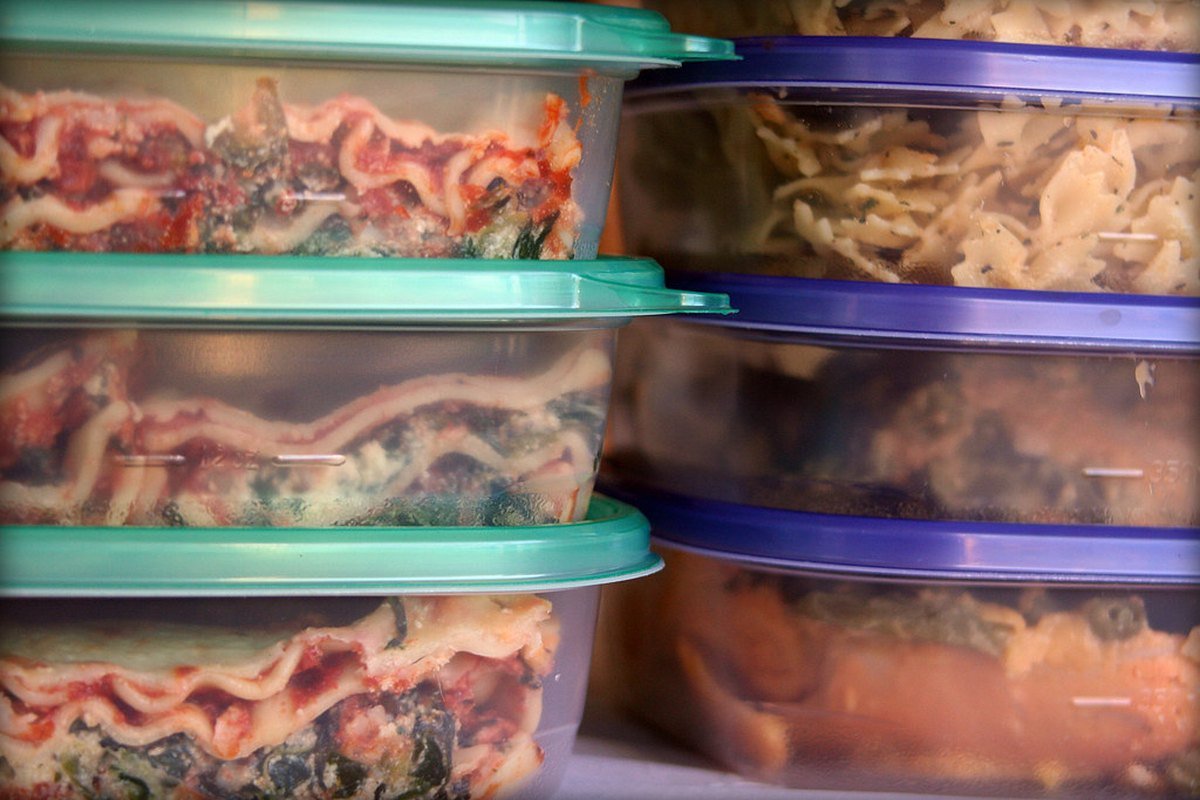
A family meal survival plan for the weeks after birth: repeatable breakfasts, one-handed snacks, freezer labels that actually help, and a minimum version for the hardest days.
5 min read
After a baby arrives, cooking often collapses—not because you lack recipes, but because sleep, recovery, and feeding leave almost no uninterrupted kitchen time. The goal is not meal-prep perfection. The goal is that adults and older kids eat something adequate most days without adding shame.
This guide focuses on a survival menu, help that arrives in usable form, and food safety for a tired household. It is not a postpartum diet prescription. If you have feeding, healing, or nutrition concerns, ask your clinician or a registered dietitian.
Start with adequacy, not Instagram meals
Write one sentence that describes the real problem: “We skip lunch until 3 p.m.,” “Dinner becomes takeout five nights a week and we feel worse,” or “I cannot stand long enough to cook.” That sentence decides whether you need more snacks in reach, a freezer system, grocery delivery, or someone else cooking.
If pregnancy meal planning already felt hard, reuse the simplest habits from our pregnancy meal planning guide—repeatable breakfasts and a short shopping list—then strip them down further.
Build a survival menu (not a new cuisine)
Choose five dinners, three breakfasts, and a snack list that require little chopping and almost no new decisions. Rotate them. Novelty can wait until sleep is less fragmented.
Breakfasts that survive night feeds
- Greek yogurt or cottage cheese with fruit and a handful of nuts
- Eggs or tofu with toast you can eat one-handed
- Overnight oats or microwave oatmeal with milk or a fortified soy drink
- Leftover rice and beans reheated safely
For more no-prep ideas that still include protein, see our high-protein breakfast list.
One-handed and bedside snacks
- Cheese sticks, hummus cups, peanut butter and crackers
- Fruit that does not need a cutting board
- Trail mix without choking hazards if toddlers share the stash
- A filled water bottle in every place you feed or pump
Dinners with a five-ingredient ceiling
- Sheet-pan protein and frozen vegetables
- Rotisserie chicken with bagged salad and bread
- Soup or chili from the freezer with fruit on the side
- Pasta with jarred sauce plus a can of beans or tuna
- Breakfast-for-dinner when that is all anyone can manage
Make help usable
When friends ask what you need, give a concrete script: “Labeled freezer meals with ingredients, date, allergens, and reheat directions,” or “Groceries from this exact list delivered Tuesday.” Unlabeled mystery casseroles create more work. Freezer-safe containers and dissolvable food labels are optional tools; clear handwriting on masking tape also works.
Food safety when everyone is exhausted
Reheat leftovers until steaming hot. Do not leave perishable food out for long stretches during cluster feeds. When in doubt, throw it out—food poisoning is a miserable extra load right now. Follow the safer-food guidance your clinician already gave you for pregnancy and early postpartum if you are still healing or feeding a baby.
If the plan is not working
- Nobody cooks anyway: switch to a “assembly only” week—rotisserie, bagged salad, fruit, yogurt, canned soup. Survival counts.
- The freezer is full of unlabeled bricks: spend twenty minutes labeling or discarding. Mystery food is not a gift.
- One person still carries all meals: put meal jobs on the same night-sharing conversation as feeds—see sharing newborn nights.
- Older kids are melting down at dinner: serve a “safe food” they accept alongside whatever adults eat. Parallel menus are allowed in crisis weeks.
Is the person feeding the baby forgetting to eat? Feed the feeder first
In many homes the adult doing most of the feeds is the one who skips meals, because every time they sit down the baby needs them again. Treat their food and water as part of the feeding routine, not something that happens “later.”
- Every feed comes with a snack and a drink. Whoever is not feeding brings a glass of water and something with protein, like yogurt, a cheese stick, or a peanut butter sandwich, to the feeding chair.
- Stock the feeding spots. Keep a basket of shelf-stable snacks next to each place you feed, just like the postpartum recovery station keeps supplies within reach.
- Plate it, don’t graze it. At least one meal a day should be a real plate with protein, a vegetable or fruit, and a starch. The balanced plate method works without any counting.
Set up a standing grocery order before the birth
Decision fatigue makes shopping hard in the newborn weeks. A repeat order removes it.
What to put on the repeat list
Write one list of the items you buy every week: milk or a fortified alternative, eggs, bread, yogurt, bagged salad, two kinds of fruit, frozen vegetables, a rotisserie chicken, canned beans, and the snacks from your survival menu. Save it in a delivery or pickup app, or as a note a helper can follow.
Who owns the order
Give one adult the job of checking the list on the same day each week and placing the order. If you already use a simple weekly meal system, plug the survival menu into it instead of starting over.
A sample first-week rotation
Repeat this rather than reinventing it: two nights of freezer soup or chili, one rotisserie chicken night with bagged salad, one sheet-pan night with frozen vegetables, one pasta-and-beans night, one breakfast-for-dinner night, and one takeout night paired with fruit. Leftovers cover lunches. Once this repeats without effort, swap in one new meal at a time.
When to get more support
Ask a clinician or dietitian if you cannot keep food or fluids down, feel faint, have pain that blocks standing, or notice mood changes that make even opening a yogurt feel impossible. Ask family or community resources about meal trains, postpartum doulas, or prepared-meal programs if budget allows. Exhaustion plus hunger is a health issue, not a character flaw.
Quick action checklist
Frequently asked questions
How long should setup take?
Thirty minutes to choose the survival menu and update the shopping list. Do not reorganize the whole kitchen first.
Is takeout failing?
No. Use it strategically. Pair it with fruit or a simple side you already have so the day still includes something fresh when possible.
What about guests who want to “just bring something”?
Send the labeling instructions. If they cannot follow them, ask for grocery gift cards or a grocery run instead.
Optional tools that may help
- Freezer-Safe Meal Containers: Make helper-cooked and batch-cooked meals easy to stack, label, and reheat. Choose a single-portion size that fits your freezer and can go straight into the microwave. View relevant freezer-safe meal containers options on Amazon. Compare at least two current listings and recent reviews before deciding.
- Dissolvable Food Labels: Let helpers write the dish, date, allergens, and reheating steps on every container, and wash off without scrubbing so containers can be reused. View relevant dissolvable food labels options on Amazon. Compare at least two current listings and recent reviews before deciding.
Key takeaways
- Build a short survival menu of repeatable breakfasts, dinners, and snacks—adequacy beats novelty.
- Tell helpers exactly how to label meals (ingredients, date, allergens, reheat steps).
- Keep one-handed snacks and water at every feeding spot.
- Have an ‘assembly only’ fallback week so the plan still works on the worst days.
Related reads
Medical disclaimer
This is general information, not personal medical advice, diagnosis, or treatment. A clinician should guide decisions about symptoms, medicines, vaccines, pregnancy, or children. In an emergency, contact local emergency services.
Sources
- CDC – Safer Food Choices for Pregnant Women
- U.S. Surgeon General – Parents Under Pressure
- ACOG – Exercise After Pregnancy
Affiliate disclosure. This article contains Amazon affiliate links. If you buy through a qualifying link, Full Healthy Lives may earn a commission at no extra cost to you. Product mentions are optional, not medical advice.