
Tired of Counting Calories? Build a Balanced Plate Instead
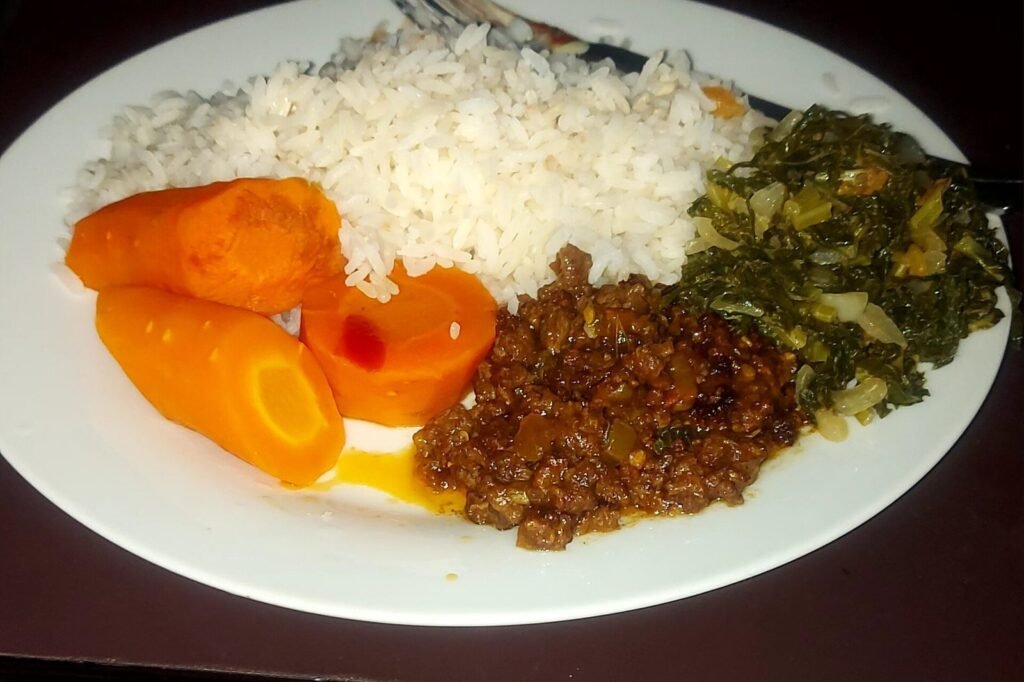
A balanced meal does not require constant calorie counting. This guide uses flexible food-group principles to help you build practical meals at home, at work, and when portions are hard to measure.
October 20, 2026 • Nutrition
Introduction
Nutrition guidance can be useful without turning every meal into a math problem.
What the evidence and guidance actually say
- CDC guidance emphasizes protein foods, vegetables, fruits, healthy fats, dairy foods without added sugars, and fiber-rich whole grains while limiting highly processed foods, added sugars, and excess saturated fat.
- USDA MyPlate provides a visual food-group framework rather than requiring calorie counting at every meal.
- Individual needs vary with age, health conditions, pregnancy or breastfeeding, activity, medications, and other factors.
Start with produce
Vegetables and fruit add fiber, micronutrients, volume, and variety. Use what is practical: fresh, frozen, canned, or dried options can all fit, with attention to added sugar and sodium where relevant.
Add a protein food
Protein can come from many animal and plant sources. Examples include eggs, poultry, seafood, lean meat, beans, peas, lentils, soy foods, nuts, and seeds, depending on your preferences and needs.
Choose a grain or starchy food
Carbohydrate foods are not automatically something to remove. Whole grains can add fiber, while potatoes, corn, rice, noodles, bread, and other staples can fit in a balanced pattern.
Include dairy or an appropriate alternative
Dairy foods can provide protein and nutrients such as calcium and vitamin D; fortified soy options can also fit the Dairy Group in MyPlate. Choose what fits your tolerance, culture, and dietary pattern.
Use fats intentionally
Healthy fats can support flavor and satisfaction. Examples include olive oil, avocado, nuts, seeds, and other unsaturated-fat sources, while portion needs vary by person.
Use the plate as a guide, not a test
A visual framework should simplify decisions rather than make eating rigid. Mixed dishes such as soup, curry, tacos, sandwiches, pasta, or rice bowls can still contain the same components even when they are not separated on a plate.
Adjust for your health needs
People with diabetes, kidney disease, gastrointestinal conditions, allergies, pregnancy needs, eating disorders, or other medical considerations may need individualized guidance. Use a clinician or registered dietitian when a general plate guide is not enough.
Three example plates
A rice bowl might combine rice, grilled fish or tofu, two vegetables, fruit on the side, and a sauce or fat source for flavor.
A sandwich meal might include whole-grain bread, turkey or hummus, vegetables in the sandwich, fruit, and yogurt or a fortified soy alternative.
A breakfast plate might include eggs or yogurt, oatmeal or whole-grain toast, fruit, and nuts or seeds.
When visual portions need adjustment
Athletes, people with high energy needs, older adults with low appetite, pregnant or breastfeeding people, and people managing medical conditions may need different portions.
Children also have different energy and growth needs and should not simply be given an adult weight-control plate template.
If calorie counting has become stressful or compulsive, a registered dietitian or eating-disorder-informed clinician can help create a safer approach.
Build-a-plate defaults
- ½ vegetables/fruit
- ¼ protein
- ¼ grains or starchy sides
- Add a bit of fat you enjoy for staying power
Adjust for cultural foods and clinician guidance—proportions are a visual tool, not a medical prescription.
If balanced plates still feel impossible
- No energy to cook: assemble from quick protein ideas and frozen veg.
- Counting apps spike stress: delete the streak; use the plate picture for two weeks.
- Kitchen friction: fix visibility with kitchen setup for easier choices.
How the plate method works
USDA’s MyPlate uses a simple picture: fill half the plate with fruits and vegetables, about a quarter with grains (making at least half of them whole grains), and about a quarter with protein foods, with dairy or a fortified alternative on the side. It is a visual guide, not a rule for every meal. Some meals, such as soups or stir-fries, mix the groups together, and that is fine.
Adapting the plate for different cuisines
- Curry and rice: add extra vegetables to the curry and serve a side salad or cooked greens.
- Tacos: load up with beans, lettuce, tomato, and peppers, and use corn or whole-wheat tortillas.
- Pasta: use whole-grain pasta, add vegetables to the sauce, and include beans, fish, or chicken.
- Stir-fry: use plenty of vegetables, a lean protein, and brown rice or noodles.
The plate and blood pressure
The DASH eating plan from the National Heart, Lung, and Blood Institute follows similar ideas, emphasizing vegetables, fruits, whole grains, low-fat dairy, fish, poultry, beans, and nuts, while limiting sodium, saturated fat, and added sugars. If you have high blood pressure, the DASH plan can help you build plates that support your treatment plan.
Snacks and the balanced plate
Snacks can fill gaps. If a meal was light on vegetables or fruit, add fruit, raw vegetables, yogurt, or a handful of nuts as a snack. Pair carbohydrates with protein, such as apple slices with peanut butter, to make snacks more filling.
When to get personalized advice
People with diabetes, kidney disease, food allergies, eating disorders, or other medical conditions may need different proportions or specific foods. Pregnant and breastfeeding people also have different needs. A registered dietitian can adapt the plate approach to your situation.
Portions without measuring
Use your hand as a rough guide: a palm-sized portion of protein, a fist of grains or starchy foods, two handfuls of vegetables, and a thumb of fats such as oil or butter. These are not exact, but they help you build balanced meals without scales or apps. Adjust portions to your hunger, activity, and any medical advice you have received.
Planning a week of balanced plates
Choose three or four dinners that fit the plate model and rotate them. Cook extra vegetables and grains to use in lunches. Our weekly meal planning system makes this easy to repeat.
Frequently asked questions
Does every meal need to look like the plate?
Visual plate models are guides, not a rule that fits every person and every meal. Use them as a planning tool.
Can rice or bread be part of a balanced plate?
Yes. Grains and starchy foods can fit; whole-grain choices can add fiber when available and appropriate.
Do I need protein at every meal?
CDC currently encourages prioritizing protein foods at meals, but the amount and source should fit your overall diet and needs.
Is calorie counting ever useful?
It can be useful in some clinical or personal contexts, but many people can work on food quality, portions, and meal structure without tracking every calorie.
Balanced plates from the pantry and freezer
A balanced plate does not require fresh ingredients every day. Frozen and canned foods can be nutritious and lower in cost:
- Produce: frozen vegetables or fruit, canned tomatoes, or canned vegetables rinsed to reduce sodium.
- Protein: canned beans or lentils, canned tuna or salmon, eggs, or frozen chicken.
- Grains: oats, brown rice, whole-wheat pasta, or frozen whole-grain bread.
Example: a quick bowl of brown rice, rinsed black beans, frozen corn and peppers, and salsa covers each section of the plate in about 15 minutes.
Common plate mistakes
- Treating the plate as a strict rule and feeling you “failed” a meal
- Forgetting drinks: sugary drinks add calories that the plate does not show
- Using a very large plate, which makes each section bigger
- Skipping protein at breakfast and then feeling hungry by midmorning
If you have diabetes, kidney disease, or another condition that affects what you eat, a registered dietitian can adapt the plate to your needs.
Key takeaways
- Use a simple plate pattern instead of chasing calorie math unless a clinician prescribed counting.
- Repeat a few meals you like rather than inventing seven new dinners.
- Frozen and canned produce count.
- Personal medical needs override generic plate art.