
Want to Eat More Pumpkin Without the Hype? Easy Ways to Use It
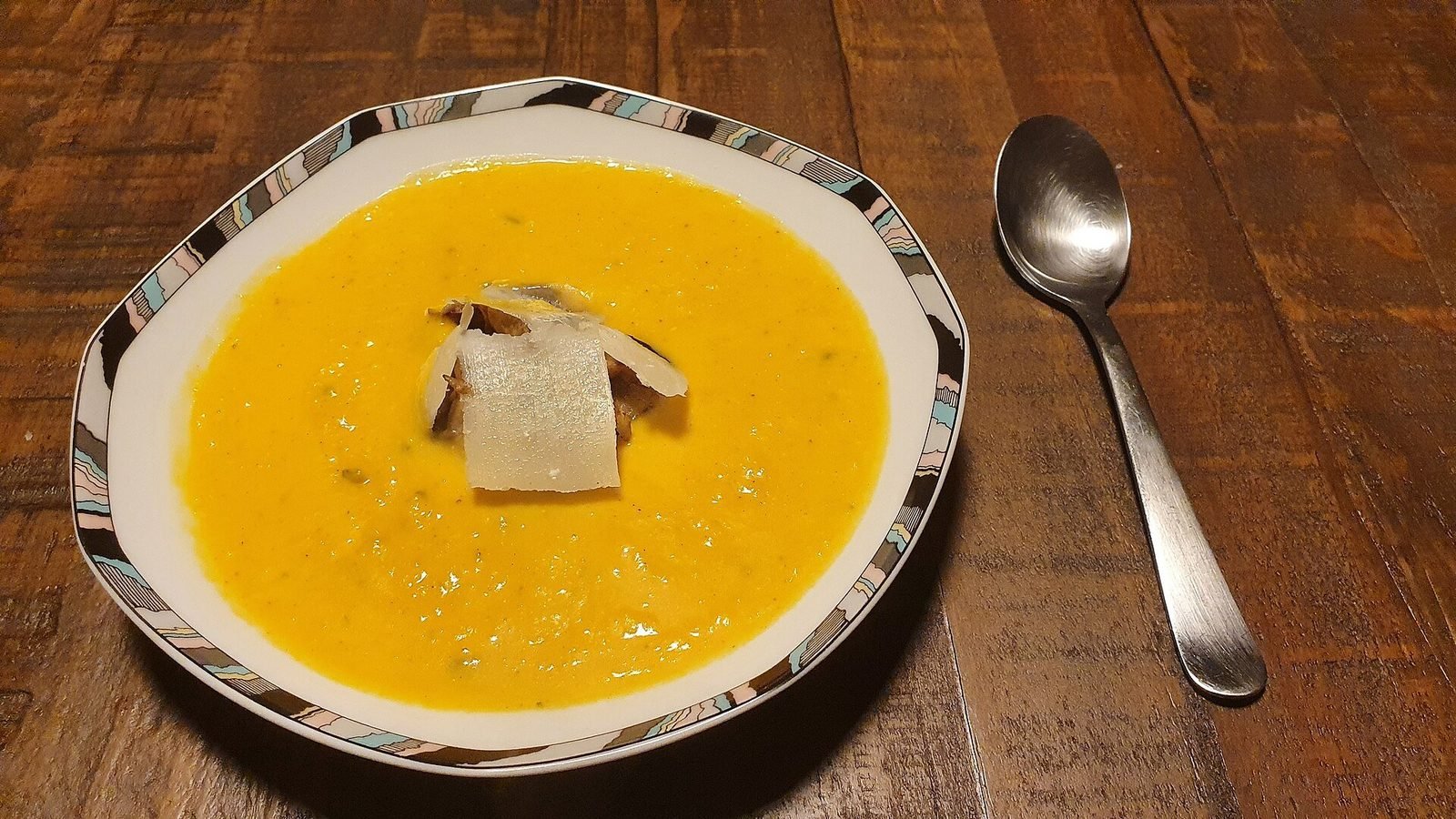
Practical ways to use plain pumpkin (not the hype): what to buy, how to add it to meals you already cook, mistakes to skip, and what to do when canned pumpkin goes unused.
Why this topic matters now
Pumpkin is a nutrient-dense orange vegetable that can fit into soups, oatmeal, baked dishes, sauces, and desserts. Its orange color reflects carotenoids, including beta-carotene, which the body can convert to vitamin A. The useful nutrition story is simple: pumpkin can help add vegetables and carotenoid-rich foods to the diet. It does not need to be marketed as a detox food, an immune cure, or a weight-loss hack.
What the current guidance actually says
NIH’s Office of Dietary Supplements explains that orange and yellow vegetables provide provitamin A carotenoids such as beta-carotene, which the body can convert to vitamin A.
Vitamin A has established roles in normal vision, immune function, growth, development, and organ function. Those are nutrient functions, not proof that eating one food prevents specific diseases.
USDA FoodData Central is the appropriate place to check a specific pumpkin product because canned pumpkin, pie filling, fresh pumpkin, and prepared desserts differ substantially in added sugar, sodium, and calories.
A practical step-by-step plan
1. Know what product you are buying
Plain canned pumpkin and canned pumpkin pie filling are not the same product. Read the ingredient list and Nutrition Facts label so you know whether sugar and spices have already been added.
2. Use pumpkin as a vegetable, not a supplement
A few spoonfuls can be stirred into oatmeal, yogurt mixtures, chili, soups, pasta sauce, or smoothies. Think of it as one ingredient within an overall eating pattern.
3. Pair it with protein and fiber
Pumpkin can be combined with beans, lentils, Greek yogurt, eggs, nuts, or seeds depending on the dish. Pairing foods often makes a meal more satisfying than focusing on one “hero” ingredient. That same pairing idea shows up across how to read a Nutrition Facts label when you check protein and fiber per serving.
4. Keep dessert claims realistic
Pumpkin pie contains pumpkin, but it is also a dessert with other ingredients. It can still fit in an eating pattern; it simply should not be treated as nutritionally equivalent to plain pumpkin.
5. Use canned pumpkin for convenience
Plain canned pumpkin can reduce prep time and food waste. Convenience foods are not automatically inferior when the ingredient list fits what you need.
6. Freeze leftovers in useful portions
If a recipe uses only part of a can, freeze the rest in small portions for oatmeal, soups, sauces, or baking. This makes seasonal ingredients easier to use without waste.
7. Add fat thoughtfully
Carotenoids are fat-soluble compounds, so meals that contain some dietary fat can support absorption. You do not need large amounts; normal mixed meals commonly provide enough.
8. Avoid supplement logic
Food sources of carotenoids are not interchangeable with high-dose supplements. If you are considering vitamin A or beta-carotene supplements, especially during pregnancy or with certain medical conditions, discuss them with a clinician.
How to make the advice realistic for a busy household
Use pumpkin as one ingredient in meals you already cook. Check whether the can is plain pumpkin or pie filling before you buy it, because added sugar and other ingredients change what you are eating. Read the ingredient list and the Nutrition Facts panel. Stir a few spoonfuls of plain pumpkin into oatmeal, soup, chili, pasta sauce, or a smoothie, and pair it with beans, lentils, yogurt, eggs, nuts, or seeds so the bowl is a meal rather than a single hero food.
Freeze leftover plain pumpkin in small portions for later oatmeal or soup so the rest of the can is not forgotten. You do not need a fresh pumpkin for these uses. Pumpkin pie contains pumpkin and is still a dessert with sugar, fat, and a crust, so it is not the same choice as plain pumpkin. Carotenoids are fat-soluble. The article notes that a normal mixed meal with some dietary fat is enough to support absorption, without a large added-fat strategy.
Common mistakes to avoid
- Calling pumpkin a detox food
- Claiming pumpkin prevents colds or cancer
- Confusing plain pumpkin with sweetened pie filling
- Quoting one nutrient number without specifying the exact product and serving
- Assuming more vitamin A is always better
If you bought pumpkin and it is still sitting there
- Opened can, only used two spoonfuls: freeze the rest in ice-cube trays or small containers for oatmeal, soup, or smoothies.
- You grabbed pie filling by mistake: use it only in dessert recipes; do not treat it as plain vegetable puree.
- Family rejects “pumpkin everything”: stir a few spoonfuls into chili, pasta sauce, or mac and cheese where the flavor disappears into the dish.
- You need numbers for a specific product: check USDA FoodData Central for that exact item rather than quoting a generic blog chart.
For busy mornings, a spoonful of plain pumpkin in yogurt or oats pairs well with ideas from our high-protein breakfast list. If you are rebuilding a weekly food routine, keep pumpkin as one optional ingredient inside a simple meal-planning system—not a new project.
Frequently asked questions
Is canned pumpkin the same as pumpkin pie filling?
No, plain canned pumpkin and pie filling are different products. Pie filling often includes added sugar and spices. Read the ingredient list and the Nutrition Facts panel.
Does pumpkin contain vitamin A?
Pumpkin provides provitamin A carotenoids, including beta-carotene. The body can convert some of those into vitamin A. That nutrient role is not proof that pumpkin prevents a disease.
Do I need a fresh pumpkin to get those nutrients?
No, plain canned pumpkin can be practical and nutritious. Freeze leftover spoonfuls for oatmeal, soup, or sauce. Pumpkin pie is still a dessert, even though it contains pumpkin.
How this fits the rest of your healthy-living routine
Pumpkin fits the same pattern as other orange and yellow vegetables. It provides provitamin A carotenoids, including beta-carotene, which the body can convert to vitamin A. Material cited in the article describes vitamin A’s roles in normal vision, immune function, growth, development, and organ function. Those are nutrient roles, not proof that one seasonal food prevents a disease.
Food is not a high-dose supplement. If you are pregnant, feeding a child, or considering a vitamin A or beta-carotene supplement, ask a clinician. Check a specific product in USDA FoodData Central when you need numbers, because canned pumpkin, pie filling, and fresh pumpkin are not the same. This article is general nutrition information, not a personalized diet.
Do not forget the seeds
Pumpkin seeds are a useful snack in their own right. According to USDA FoodData Central, one ounce of dried, hulled pumpkin seed kernels (pepitas) provides about 8.5 grams of protein, plus fiber, magnesium, and zinc. To roast seeds from a carving pumpkin, rinse off the pulp, dry them well, toss with a little oil and salt, and bake at about 300°F until golden, stirring occasionally. Whole seeds and nuts are a choking hazard for young children, so serve them only to older children and adults.
Pumpkin for babies
Plain cooked or canned pumpkin puree, with no added sugar or spices, can be one of many vegetables offered once your baby has started solid foods. Pumpkin pie filling is not a substitute because it contains added sugar. Ask your baby’s doctor if you have questions about starting solids.
Carving pumpkins vs. cooking pumpkins
Large carving pumpkins are edible but tend to be stringy and watery. Smaller “sugar” or “pie” pumpkins have denser, sweeter flesh that works better in recipes. Do not eat a carved jack-o’-lantern that has been sitting out, since cut surfaces at room temperature can grow bacteria and mold.
Key takeaways
- Buy plain canned pumpkin unless you specifically want sweetened pie filling—read the ingredient list.
- Use pumpkin as one ingredient in meals you already cook; pair it with protein and fiber.
- Freeze leftover plain pumpkin in small portions so the rest of the can does not go to waste.
- Treat nutrient roles (like carotenoids and vitamin A) as nutrition facts—not disease-prevention promises.
Related reads
Bottom line
Medical disclaimer
This is general information, not personal medical advice, diagnosis, or treatment. A clinician should guide decisions about symptoms, medicines, vaccines, pregnancy, or children. In an emergency, contact local emergency services.