
Preventive Health Screenings by Life Stage: A Conversation Guide
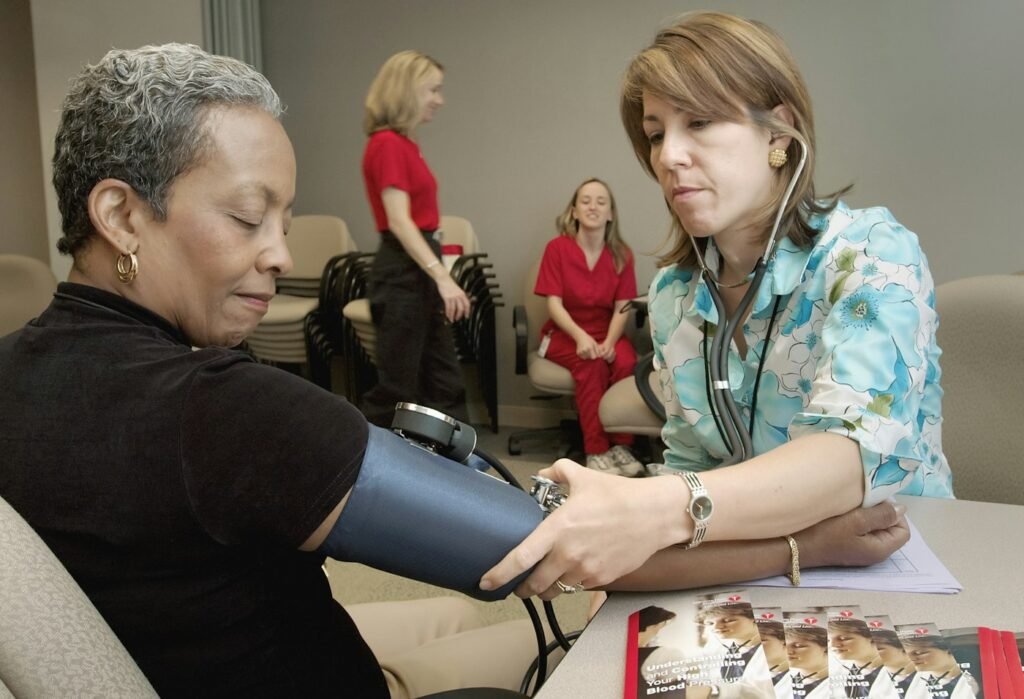
Most people know preventive screening exists, but few know which tests actually apply to them at their current age, and which ones are years away or already behind them. This guide sorts that out by life stage, so you walk into your next appointment with the right questions instead of leaving with them.
Why age alone is not enough
Preventive screening looks for disease or risk before symptoms appear, but the right test depends on more than a birthday. Sex, anatomy, pregnancy, family history, previous findings, smoking, occupational exposure, medicines, and local disease patterns may change the recommendation. This guide is a conversation starter, not a universal schedule. A clinician should personalize timing and explain benefits and possible harms.
Children and adolescents
Preventive visits often focus on growth, development, vision, hearing, oral health, immunizations, nutrition, sleep, mental health, safety, and school or social concerns. Newborn and childhood screening programs vary by country. Adolescents may need confidential time to discuss mood, substance use, relationships, sexual health, and safety. Parents can prepare records and questions while respecting appropriate privacy. The USPSTF recommends anxiety screening for children and adolescents 8 to 18 and depression screening for adolescents 12 to 18.
Young adults
This stage is a good time to establish baseline care, update vaccinations, review blood pressure and weight trends, discuss mental health and substance use, and assess sexual and reproductive health when relevant. In the United States, routine cervical cancer screening for people at average risk generally starts at age 21; the cervical screening section below explains how current guidelines differ from age 30. Routine testing without a risk-based reason is not always helpful, so ask what each test would change.
Midlife adults
Clinicians may discuss screening for colorectal cancer, breast cancer, cervical cancer, diabetes, high blood pressure, unhealthy cholesterol levels, depression, and infections based on risk. Lung cancer screening is limited to people with a qualifying smoking history and age range, not everyone. The best plan considers prior results and whether a person could benefit from follow-up treatment.

Older adults
Screening decisions increasingly depend on overall health, life expectancy, preferences, prior findings, and the burdens of testing. Falls, vision, hearing, memory, bone health, medication safety, vaccinations, and advance-care planning may become more prominent. Some screenings continue, some become less frequent, and some may stop. This is individualized care, not neglect.
Understand benefits and harms
Screening can detect disease earlier, but it can also lead to false alarms, anxiety, invasive follow-up, overdiagnosis, cost, and complications. Ask for absolute benefits where possible, not only relative percentages. Ask what happens after a positive result and whether you are willing and able to complete that pathway.
Use a screening conversation checklist
In a health notebook, record the test, why it is being considered, recommended interval, preparation, possible harms, cost or coverage, and follow-up plan. Ask: Is this screening or diagnostic testing? How does my risk differ from average? What alternatives exist? What if I decline or delay? When will we revisit the decision?
When symptoms change the situation
Screening applies to people without related symptoms. A new lump, unexplained bleeding, persistent cough, major bowel change, severe fatigue, or unexplained weight change may require diagnostic evaluation instead of waiting for a screening date. Seek prompt professional advice for concerning symptoms and urgent care for severe or rapidly worsening problems.
What the USPSTF recommends for adults
The U.S. Preventive Services Task Force (USPSTF) is an independent panel that reviews the evidence on screening for people without symptoms. Its “A” and “B” recommendations are the ones with the clearest evidence of benefit. Here are some of the main ones for adults at average risk. Your clinician may start earlier, screen more often, or skip a test based on your history.
- Blood pressure: all adults 18 and older. The USPSTF also recommends confirming a high reading with measurements outside the clinic before starting treatment. Our guide to a home blood pressure log shows how.
- Cervical cancer: women (people with a cervix) 21 to 65 at average risk. The USPSTF’s 2018 schedule is a Pap test (cytology) every 3 years from 21 to 29, and from 30 to 65 a Pap test every 3 years, an HPV test every 5 years, or both together every 5 years. Newer 2026 HRSA and ACOG guidance prefers primary HPV testing for ages 30 to 65; see cervical screening guidance below.
- Breast cancer: a mammogram every 2 years for women 40 to 74.
- Colorectal cancer: adults 45 to 75. Several test options are available, from stool-based tests to colonoscopy, with different intervals.
- Prediabetes and type 2 diabetes: adults 35 to 70 who have overweight or obesity.
- Lung cancer: a yearly low-dose CT scan for adults 50 to 80 with a 20 pack-year smoking history who still smoke or quit within the past 15 years.
- Osteoporosis: women 65 and older, and younger postmenopausal women at increased risk of fracture.
- Abdominal aortic aneurysm: a one-time ultrasound for men 65 to 75 who have ever smoked.
- Infections: hepatitis C at least once for adults 18 to 79, HIV for people 15 to 65, and chlamydia and gonorrhea for sexually active women 24 and younger (and older women at increased risk).
- Mental health and substance use: depression screening for all adults, anxiety screening for adults 64 and younger (including during and after pregnancy), and screening for unhealthy alcohol use in adults 18 and older.
The USPSTF also recommends that clinicians ask all adults about tobacco use and offer help quitting, and that adults 65 and older at increased risk of falls get exercise programs to prevent them. Recommendations are updated as new evidence comes in, so check the current list rather than relying on an old printout.
Cervical screening: two sets of guidance to know about
Cervical screening is a good example of why it pays to check the current guidance rather than an old printout. For people aged 30 to 65 at average risk, U.S. guideline sources now describe it a little differently:
- USPSTF (final recommendation, 2018): a Pap test every 3 years, a high-risk HPV test every 5 years, or both together (co-testing) every 5 years, presented as acceptable options. The USPSTF lists this topic as being updated, so check its page for the latest status.
- HRSA Women’s Preventive Services Guidelines (updated January 2026): primary high-risk HPV testing every 5 years is the preferred approach for ages 30 to 65 at average risk, with co-testing every 5 years as an alternative and a Pap test alone every 3 years if HPV testing is not available. The update also lists patient-collected (self-collected) HPV testing as an option that should be offered at these ages, and treats follow-up testing needed to complete screening as part of the service. HRSA says the updated guideline takes effect for most health insurance plans starting in 2027.
- ACOG (committee statement, 2026): endorses the updated HRSA/WPSI approach with some qualifications. It describes clinician-collected primary HPV testing every 5 years as the preferred method, co-testing or a Pap test alone when primary HPV testing is not available or after counseling, and says self-collected HPV testing every 3 years may be considered where systems are in place for notification and follow-up.
For ages 21 to 29, these sources all describe a Pap test every 3 years. These are average-risk schedules only. A history of abnormal results or treatment, a weakened immune system, and other factors can change the plan, and decisions about stopping after 65 depend on prior results. Your clinician can explain which approach their practice uses and why.
Questions worth asking at your next visit:
- Which test do you use for my cervical screening: primary HPV, co-testing, or a Pap test alone?
- Is self-collection offered here, and would it change how often I need to be screened?
- How and when will I get my result, and what happens next if it is positive?
- Based on my past results, when is my next screening due?
How to prepare for the conversation
A screening discussion goes better when you bring a few facts with you:
- Your last results and dates for each screening you’ve had, including where it was done. Patient portals usually list them.
- Family history updates, especially cancers, heart disease, diabetes, and the age at diagnosis. Our guide on how often to update family health history explains what’s most useful.
- Smoking history, including how much and when you quit, since it affects lung and aneurysm screening.
- Pregnancy plans or current pregnancy, which change some recommendations.
- Coverage questions. Ask the clinic or your insurer how a test is billed, especially if a screening test might turn into a diagnostic one.
Our annual physical checklist covers the rest of the visit, and our list of questions to ask at a checkup helps you raise screening early instead of in the last minute.
Keep track of what’s due
Write down each screening you’ve decided on with the date done, the result, and when it’s next due. Put the next due date in your calendar right away. A simple table in a family health binder or digital organizer works for the whole household. Never assume that no news means a normal result. Ask how and when you’ll be told, and follow up if you don’t hear back.
Quick action checklist
Optional tools that may help
The options below are selected for a specific use described in this article. Amazon availability, sellers, model versions, and prices can change, so confirm the exact product and features on the listing. Every Amazon link includes the Full Healthy Lives affiliate tag fullhealthyli-20. How we choose products: Items are selected for fit with the specific use described in this article, not as a paid promotion. We have not independently tested every listed product; confirm current specifications, certifications, and recall status on the manufacturer’s or retailer’s listing before buying.
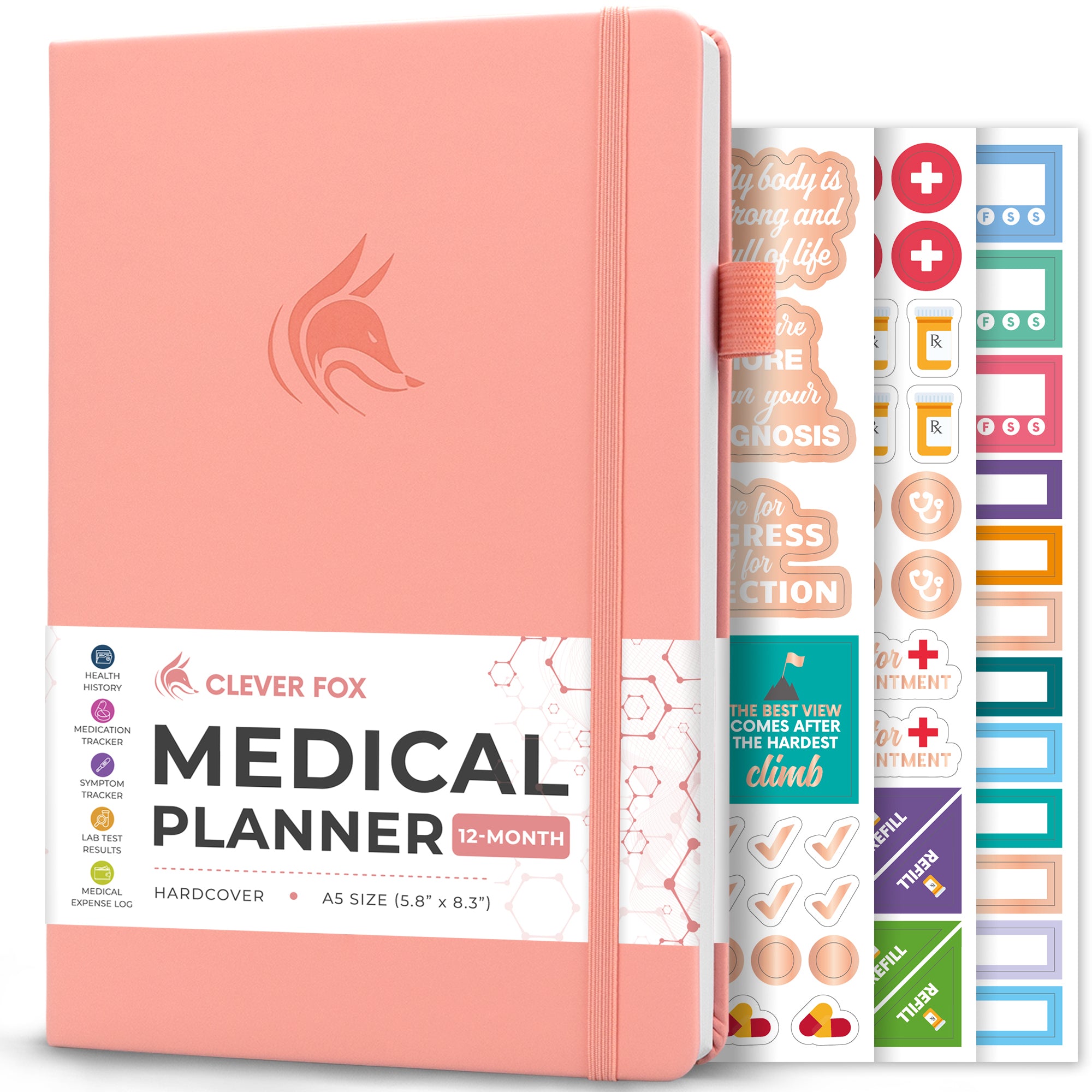
Clever Fox Medical Planner, 12-Month Edition
Useful for recording screening discussions, due dates, completed appointments, and follow-up questions. It suits readers who want a dedicated health planner rather than mixing health reminders into a work calendar.
View on Amazon
Rocketbook Core Reusable Notebook
A flexible option for households that like handwritten notes but also want searchable digital copies. Available in multiple sizes and colors; confirm the exact variant on the listing. Avoid writing highly sensitive identifiers unless the chosen storage and sharing method is secure.
View on Amazon
Blue Sky Weekly & Monthly Planner
A budget-friendly choice for visible appointment and screening reminders. Select a layout with enough writing space and use neutral labels if the planner will be displayed publicly.
View on AmazonMore choices: browse more preventive-care planners. Use this link to compare health notebooks, appointment calendars, and reminder planners after considering privacy, portability, and ease of updating.
Key takeaways
- Screening is for people without symptoms. New or worrying symptoms need a prompt visit, not a wait for your next scheduled test.
- Age is a starting point. Family history, smoking, pregnancy, and past results can change what you need and when.
- Know the main adult checks: blood pressure from 18, cervical from 21, mammograms from 40, colorectal from 45, plus others based on risk.
- Before agreeing to a test, ask about benefits and harms, what happens after an abnormal result, and when you’ll get the result.
Related reads
- How to Prepare for an Annual Physical: A Practical Checklist: getting ready for a yearly physical
- How Often Should You Update Your Family Health History?: keeping family history current
- 2026-2027 Flu Season: When to Get Vaccinated and What to Know: this season’s flu vaccine
Frequently asked questions
Do I need every screening on the list?
No. Most recommendations depend on age, sex, and risk factors, and some, like lung cancer screening, apply only to people with a specific history. Your clinician can tell you which ones fit.
What if I have symptoms?
Then it isn’t screening anymore. A new lump, unexplained bleeding, a persistent cough, or a major change in bowel habits should be checked promptly rather than waiting for a routine test.
Can screening stop at some point?
Yes. Several recommendations have upper age limits, and for older adults decisions depend on overall health and preferences. Ask whether continuing still makes sense for you.
Where can I check the current recommendations?
The USPSTF publishes its A and B recommendations online and updates them as evidence changes. For cervical screening, also check the HRSA Women’s Preventive Services Guidelines, updated in 2026. MedlinePlus also has plain-language screening pages.
Sources
- U.S. Preventive Services Task Force – Cervical Cancer: Screening (final recommendation, 2018; update in progress)
- U.S. Preventive Services Task Force – A and B Recommendations
- HRSA – Women’s Preventive Services Guidelines (updated cervical cancer screening guideline)
- Federal Register – Update to the Women’s Preventive Services Guidelines (January 5, 2026)
- ACOG – Screening for Cervical Cancer (Committee Statement, 2026)
- MedlinePlus – Health Screening