
Too Busy to Exercise? 10 Exercise Snacks That Fit Into Your Day
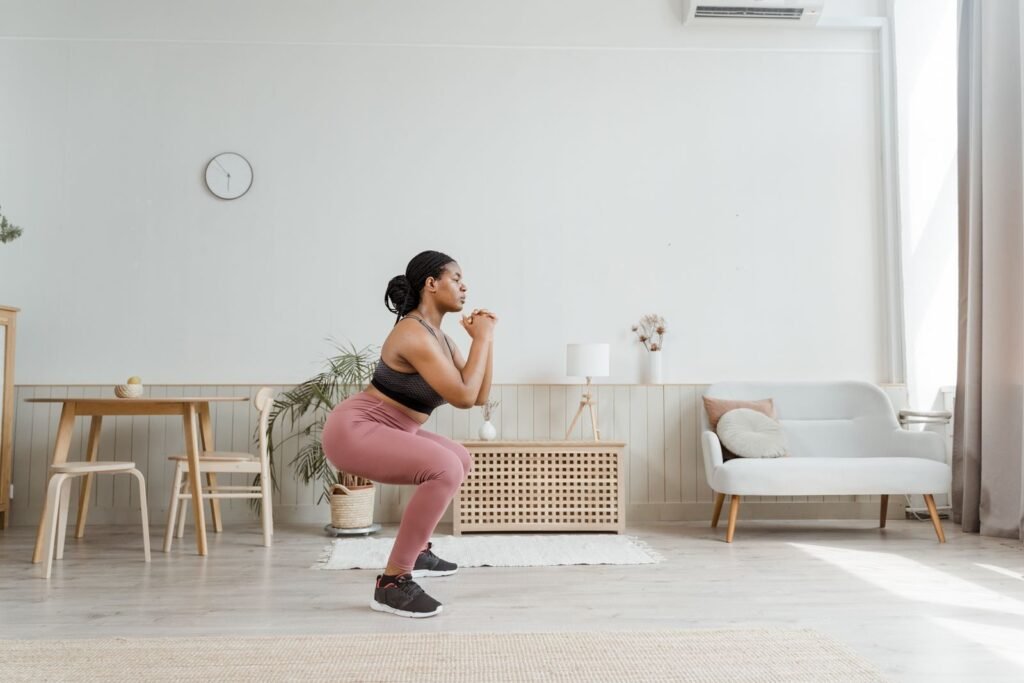
Short movement breaks can make activity easier to accumulate on busy days. Here are 10 practical exercise-snack ideas and what current research does and does not show.
October 21, 2026 • Movement
Introduction
The phrase exercise snack usually refers to brief bouts of activity spread across the day, but studies use different durations and intensities. This guide gives you ten options, a simple way to turn three of them into a habit, and the safety points to check first.
What the evidence and guidance actually say
- U.S. Physical Activity Guidelines emphasize moving more and sitting less and recommend 150 to 300 minutes of moderate aerobic activity each week plus muscle-strengthening activity on two days.
- Recent systematic reviews suggest brief exercise bouts may improve cardiorespiratory fitness in physically inactive adults, although findings for other outcomes are less consistent and protocols vary.
- Exercise snacks can complement, but should not be described as proven replacements for every benefit of a complete physical-activity program.
How short bouts fit the guidelines
The Physical Activity Guidelines for Americans removed the earlier requirement that aerobic activity come in bouts of at least 10 minutes. The current guidelines note that any amount of moderate-to-vigorous activity counts toward the weekly total of 150 to 300 minutes for adults. That means exercise snacks, such as a brisk stair climb or a fast walk between meetings, all add up. Use the weekly guideline as the bigger picture so short bouts do not crowd out strength, mobility, or longer aerobic activity you enjoy.
1. Take a brisk hallway loop
A two- to five-minute walk is easy to repeat and does not require equipment. Use it after a meeting or phone call rather than waiting for a perfect 30-minute block. When traveling, a fast lap of the airport concourse or hotel corridor works the same way.
2. Climb a few flights of stairs
Stair climbing raises effort quickly for many people. Start with a small amount that feels manageable and use the handrail when appropriate.
3. Do sit-to-stands
Standing from a stable chair repeatedly uses large lower-body muscles. Choose a chair that will not slide and keep the movement controlled.
4. Try wall or counter push-ups
An elevated push-up can be scaled to different strength levels. Use a stable surface, such as a kitchen counter or a sturdy desk, and keep the body in a comfortable line.
5. March during a break
Marching in place works when weather or workspace makes walking inconvenient. Pair it with a timer, a kettle boiling, or the end of a task.
6. Carry groceries in smaller trips
Ordinary tasks can become brief movement opportunities. Only use loads you can handle safely and avoid turning chores into maximal exercise.
7. Add calf raises while waiting
Calf raises can fit beside a counter or desk. Use support for balance and stop if the movement causes pain.
8. Use a one-song movement break
A familiar song creates a natural time boundary. Walk, dance, or do gentle mobility for the length of the song. With children, a quick dance break or a race in the yard counts too.
9. Take a walking call
When the conversation and environment allow, stand or walk rather than remaining seated. Safety, privacy, and accessibility come first.
10. Finish the day with mobility
A few gentle movements can break up accumulated stiffness. Keep stretching comfortable; pain is not a requirement for benefit.
Make it repeatable: pick three and attach them to cues
Most people do not lack ideas; they wait for a free hour that never comes. Instead, choose three snacks from the list and attach each one to something that already happens every day:
Other reliable cues include using the bathroom, sending a batch of emails, or a child’s bath time. Keep the intensity appropriate: some research protocols use vigorous efforts, but a movement break does not need to be maximal to interrupt sitting.
Tracking without pressure. A tally on a sticky note or a habit app shows how many snacks you fit in each day. Count whether you started, not whether you hit a target. Our healthy habits tracker can help you see weekly totals.
From one snack to a routine
What a full day can look like
- Morning: 2 minutes of sit-to-stands while the kettle boils.
- Mid-morning: climb two flights of stairs.
- Lunch: 10-minute brisk walk.
- Afternoon: one-song dance or march break.
- Evening: counter push-ups and calf raises while dinner cooks.
That is roughly 20 minutes of activity without a formal workout. You do not need to start there.
A two-week way to build up
| Days | What to do |
|---|---|
| 1–3 | Pick one snack (for example, sit-to-stands) and do it once a day after a fixed cue such as lunch. |
| 4–7 | Add a second daily snack, such as a brisk hallway loop after your last meeting. |
| 8–10 | Make one snack slightly harder: an extra flight of stairs, a few more repetitions, or a faster pace. |
| 11–14 | Aim for three snacks on most days and note which ones you actually enjoyed. Keep those; replace the rest. |
If a day falls apart, do one snack and call it a win. The goal is a pattern you keep, not a perfect streak.
After the first two weeks
If you enjoy the snacks and want more, add one longer walk or a short strength session rather than more snacks. Adults are still advised to do muscle-strengthening activity on at least two days a week; our beginner strength plan is a structured next step that you can do at home.
Safety and options for limited mobility
Exercise snacks are generally low risk, but take care with stairs if you have balance problems, use a sturdy chair for sit-to-stands, and stop if a movement causes pain—snacks are not for pushing through injury. Stop and seek care for chest pain, severe shortness of breath, or dizziness during activity.
If you have balance problems, joint pain, a heart or lung condition, or you are recovering from surgery or pregnancy, ask a clinician or physical therapist which movements and what level of effort are right for you. Seated or supported versions of the list above include:
- Seated marching or heel-and-toe taps for one song
- Seated arm raises or shoulder rolls, adding a light water bottle if comfortable
- Standing up from a sturdy chair a few times, using the armrests for help
- Counter push-ups while holding a stable surface for balance
What the research does not prove yet
Exercise-snack studies use different definitions, populations, intensities, and durations, which makes one universal prescription impossible.
Recent reviews are encouraging for cardiorespiratory fitness, but findings for blood pressure, lipids, body composition, and other outcomes are not completely consistent.
Long-term adherence outside research settings still needs more study, so treat exercise snacks as a useful option rather than a magic minimum effective dose.
Frequently asked questions
How long is an exercise snack?
Research definitions vary, often from under a minute to several minutes. There is no single official dose for everyone.
Do exercise snacks count toward weekly activity?
Moderate-to-vigorous activity accumulated across the day counts toward the weekly total. Use the federal weekly guidelines as the larger target.
Do they replace strength training?
Not automatically. Adults are still advised to include muscle-strengthening activity on at least two days each week.
Do they need to be intense?
No. Some studies use vigorous efforts, but brisk, comfortable movement still breaks up sitting and adds to your weekly total. Keep intensity conversational unless a clinician has cleared you for more.
Key takeaways
- Short movement snacks beat all-or-nothing gym plans on busy days.
- Pick three and attach them to cues you already have.
- Keep intensity conversational unless cleared for more.
- Build toward longer sessions when life allows—without shame on hard weeks.