
Hungry and Low on Energy at Work? 20 Healthy Snacks That Travel Well
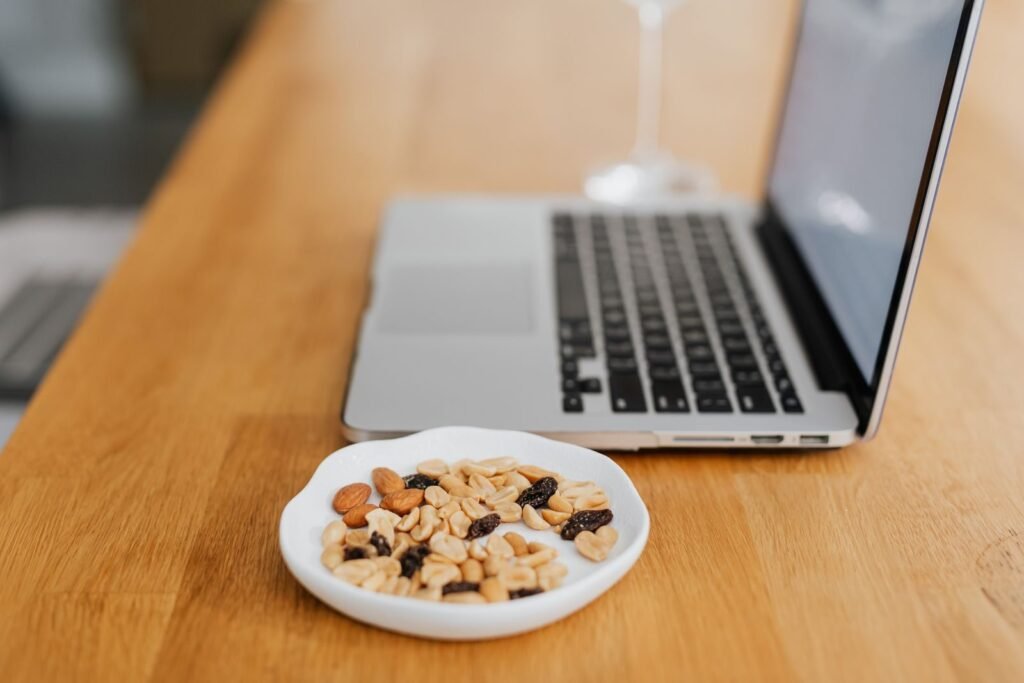
Build a reliable work-snack routine with options that are easy to pack, store, and eat between meetings. The focus is convenience, balance, and realistic choices.
October 28, 2026 • Nutrition
Introduction
A useful work snack should fit the time, storage, hunger level, and dietary needs of the person eating it.
What the evidence and guidance actually say
- CDC encourages nutrient-dense foods including protein foods, fruits, vegetables, healthy fats, dairy foods without added sugars, and fiber-rich whole grains.
- Fresh, frozen, canned, and dried produce can all fit, with attention to added sugars and sodium where relevant.
- No individual snack is universally healthy for every person; allergies, diabetes, kidney disease, gastrointestinal conditions, and other needs can change the best choice.
Shelf-stable protein pairings
Portable protein foods can make a snack more substantial. Try nuts or seeds with fruit, shelf-stable roasted chickpeas, nut or seed butter packets with whole-grain crackers, or tuna or salmon pouches where appropriate.
Refrigerated options
A shared refrigerator expands choices. Examples include plain or lower-added-sugar yogurt with fruit, cheese with vegetables, hard-cooked eggs, hummus with carrots, or cottage cheese with fruit.
Fruit-forward choices
Whole fruit travels well and requires little preparation. Apples, oranges, pears, bananas, grapes, or berries in a container can be paired with another food if you need more staying power.
Vegetable-forward choices
Crunchy vegetables can work when they are washed, cut, and easy to reach. Try carrots, cucumber, snap peas, bell pepper, or cherry tomatoes with a dip that fits your preferences.
Whole-grain choices
Whole grains can add fiber and texture. Examples include plain popcorn, whole-grain crackers, oat-based options with lower added sugar, or a small whole-grain sandwich.
Emergency desk snacks
The goal is to have a backup before hunger turns into whatever is closest. Keep a few sealed, shelf-stable items and rotate them so they do not expire unnoticed.
Food-safety basics
Perishable foods need appropriate temperature control. Use an insulated bag and cold packs when refrigeration is not available, and follow food-safety guidance for how long foods can remain at room temperature.
20 ideas to rotate
Apple with peanut or seed butter; pear with nuts; banana with a nut or seed packet; grapes with cheese; berries with yogurt.
Carrots with hummus; cucumber with bean dip; bell pepper with cheese; snap peas with a yogurt-based dip; cherry tomatoes with whole-grain crackers.
Plain popcorn with nuts; whole-grain crackers with tuna; roasted chickpeas with fruit; oatmeal cup with seeds; trail mix with unsweetened dried fruit.
Hard-cooked egg with fruit; cottage cheese with berries; edamame; a small whole-grain sandwich; or a lower-added-sugar yogurt with oats.
Pack for the actual work environment
For desk jobs, choose foods that can be eaten cleanly and stored safely. For driving or field work, prioritize items that are safe to eat only when parked or on break.
If you share a refrigerator, label food and use a container that seals well.
If the worksite is hot, remote, or lacks refrigeration, food safety should drive the choice before nutrition optimization.
Snack formula for workdays
Pair protein + fiber (or fruit/veg) so you are not hunting vending machines. Examples: yogurt, nuts + fruit, hummus + crackers, cheese + apple, leftover protein + cut vegetables. Keep a backup in your bag—ideas overlap with high-protein breakfasts and desk wellness kits.
If you still crash at 3 p.m.
- Only sugary snacks on hand: restock the drawer on payday.
- No break allowed: eat a planned snack before the longest meeting block.
- Shift work: use shift meal tactics.
Keeping perishable snacks safe
Yogurt, cheese sticks, hard-boiled eggs, and cut fruit need to stay cold. USDA’s Food Safety and Inspection Service recommends using an insulated lunch bag with at least two cold sources if you do not have access to a refrigerator. Snacks that are safe without a cold source include whole fruit, nuts, peanut butter, hard cheese, crackers, and canned fish.
Building a filling snack
Snacks that combine protein or fat with fiber tend to keep you full longer than refined snacks. Try pairing:
- An apple with a cheese stick.
- Whole-grain crackers with hummus.
- Carrot sticks with peanut butter.
- Greek yogurt with berries.
- A handful of nuts with dried fruit.
Stocking a desk drawer
Keep a small supply of shelf-stable snacks at work for busy days: nuts, nut butter packets, whole-grain crackers, oat bars with little added sugar, and dried fruit. Restock weekly and avoid buying large bags you might eat absent-mindedly. Our article on the desk wellness kit has more ideas.
Snacks and hunger cues
A snack is most useful when you are genuinely hungry and the next meal is a while off. If you often snack out of boredom or stress, try a short walk or a glass of water first. Planning a regular mid-afternoon snack can prevent overeating at dinner.
Snacks for shift and travel days
On long shifts or travel days, pack more than you think you need, since delays happen. Include water, a mix of protein and fiber snacks, and something easy to eat on the move. Shift workers may find our shift work guide useful.
Snacks for different work settings
- Desk jobs: pre-portioned nuts, fruit, and crackers in a drawer.
- On your feet: snacks that fit in a pocket, such as a banana or a small bag of trail mix.
- In a vehicle: easy-to-eat options that will not spill, plus water.
- No fridge: shelf-stable choices and an insulated bag with cold packs for anything perishable.
Budget-friendly snack prep
Buy nuts, oats, and dried fruit in larger bags and portion them into small containers at home. Cut vegetables on the weekend for the first half of the week. Homemade snacks usually cost less than individually wrapped ones and produce less packaging waste.
What this approach cannot promise
A practical approach is to combine foods that provide fiber, protein, produce, or healthy fats, but the best mix depends on your hunger and needs.
Are packaged snacks always unhealthy?
No. Packaging does not determine nutrition quality. Read the label and consider the product in the context of your overall diet.
What if I do not have a refrigerator?
Choose shelf-stable foods or use an insulated lunch bag with cold packs for items that require refrigeration.
Should I snack if I am not hungry?
Not necessarily. Snacks are optional and should serve your hunger, schedule, or health needs rather than a fixed rule.
Key takeaways
- Pack snacks with protein and fiber—not only sweets.
- Keep a nonperishable backup at work.
- Pair snacks with real meal breaks when you can.
- Allergies and medical diets override generic snack lists.
Related reads
Sources
- CDC, How to Have Healthier Meals and Snacks: https://www.cdc.gov/healthy-weight-growth/healthy-eating/meals-snacks.html
- CDC, Healthy Eating Tips: https://www.cdc.gov/nutrition/features/healthy-eating-tips.html
- USDA MyPlate, Protein Foods: https://www.myplate.gov/web/eat-healthy/protein-foods
- USDA FSIS – Keeping "Bag" Lunches Safe: https://www.fsis.usda.gov/food-safety/safe-food-handling-and-preparation/food-safety-basics/keeping-bag-lunches-safe