
National Preparedness Month 2026: Build a Family Emergency Kit in Four Weekends

Why a four-weekend plan works better than one big push
National Preparedness Month falls every September, and it gives families a real reason to revisit routines that usually lose out to school, work, appointments, and everything else competing for attention. This guide breaks a family emergency kit into four weekends of manageable work instead of one overwhelming project. The goal isn't an Instagram-ready system or a long shopping list. It's reducing friction: making the right action easier, keeping key information easy to find, and building a routine flexible enough to survive a busy Wednesday.
Because seasonal advice can go stale, this guide separates stable principles from details you should recheck yourself, such as product recalls, weather conditions, event dates, and current public-health guidance. Adapt everything below for age, ability, medical needs, housing, climate, transportation, and any professional advice specific to your household. If a step feels too ambitious, shrink it. A simple system used consistently beats an elaborate one that disappears after a week.
The four-weekend plan
Weekend 1: Decide what your family is preparing for
Preparedness works better when the kit is tied to realistic hazards instead of a vague fear of "anything happening." Review the events most likely to affect your area: severe storms, flooding, earthquakes, wildfire smoke, power outages, or evacuation orders. Start with what's already working in your household, find the one weak point, and fix that before adding anything else.
This weekend, write down the three hazards most relevant to your location, identify where you'd shelter at home, choose two possible evacuation destinations, confirm one out-of-area contact, and save your local emergency alert information. None of it has to happen in one sitting. A 10- to 20-minute block, attached to something you already do (Sunday planning, grocery day, the evening kitchen cleanup), is enough to make real progress.
Explain the plan to children in age-appropriate language, without frightening detail. The goal is familiarity: they should know who will pick them up, where phone numbers are kept, and whose instructions to follow. Evacuation, sheltering in place, losing power, and losing water call for different responses, so check your local emergency-management agency for guidance specific to each.
If you buy anything: keep it simple. A basic folder, waterproof document pouch, or small backpack does more for a family plan than an oversized survival kit. The test is whether it actually gets used, not how complete it looks.
Weekend 2: Build the core supply kit
Ready.gov recommends gathering basic supplies before a disaster: water, nonperishable food, a flashlight, a radio, first-aid supplies, and anything else your household needs for several days. Build that core first, then personalize it.
Set aside water and shelf-stable food your family will actually eat, add a flashlight with spare batteries or a reliable rechargeable option, pack a first-aid kit and basic hygiene supplies, include a manual can opener if you need one, and add a whistle and a few basic tools.
Spread purchases across normal grocery trips instead of buying everything at once, and rotate food and water into regular use before it expires. Store supplies where moisture, heat, pests, and young children can't get to them, and follow manufacturer instructions for batteries, fuel, and medication storage.
If you buy anything: look for simple flashlights, power banks, and sturdy containers with clear capacity information rather than marketing-heavy "tactical" bundles. A flashlight you'll actually reach for in the dark beats one that looks impressive on a shelf.

Weekend 3: Add health, baby, pet, and document needs
A generic checklist becomes a family plan once it accounts for what your household can't easily replace during a disruption: medications, glasses, hearing devices, mobility aids, infant feeding supplies, menstrual products, pet needs, and important documents.
Put together a current medication and allergy list, pack copies of key identification and insurance information, add infant or older-adult supplies if your household needs them, include pet food, water, a leash, a carrier, and veterinary records, and set aside some cash in small denominations.
Keep sensitive information secure: encrypted digital copies plus a limited paper set are often more practical than carrying every original document. Tell another trusted adult where everything is stored. If early refills or special medication storage come up, loop in a pharmacist or clinician rather than guessing.
If you buy anything: a waterproof document wallet and a clearly labeled medication pouch make organization easier, but the labels and the information inside matter more than the brand.
Weekend 4: Build in communication and maintenance
A kit no one can find or understand is less useful than a smaller kit everyone knows how to use. This weekend is about communication, placement, and a review schedule you'll actually keep.
Choose one consistent storage location, write a simple printed contact sheet, practice a single family communication scenario, set calendar reminders for twice-yearly kit checks, and charge and test any rechargeable devices.
Treat the review like routine home maintenance: check batteries, expired food, clothing sizes, child supplies, pet needs, and contact information. Don't rely on one phone, one person, or one channel. Power and mobile service can both fail, so keep at least one low-tech backup, such as written contacts or a meeting point.
If you buy anything: a reliable power bank helps during outages, but only if it's actually charged and stored somewhere you'll remember. Test it on the same schedule as your twice-yearly review.

Make the kit easy to use under stress
Stress narrows attention, so good kit design reduces the number of decisions you have to make in the moment. Group first-aid, lighting, documents, food, and hygiene into separate pouches, label anything expiration-sensitive, and put the fastest-to-grab essentials on top.
Keep a one-page inventory inside the container and walk other responsible family members through how it's organized. A color-coded system isn't necessary, but a kit only you understand becomes a liability if you're not the one who opens it.
Keep hazardous items, sharp tools, medications, and batteries out of reach of young children, and if you move the kit, tell everyone who needs to know.
If you buy anything: pick containers you can actually carry, sized to fit your storage space. A bin too heavy to move isn't useful if you ever need to evacuate.
What not to put in a preparedness plan
Preparedness content can push overbuying, fear-based purchases, and unsafe DIY shortcuts. Skip novelty survival gadgets you've never practiced using, avoid storing fuel or chemicals indoors, don't depend on expired medications or food, and don't keep critical information only in a password you can't access offline.
Bottled water and batteries don't last forever, so check expiration and shelf-life dates during your twice-yearly review. If your budget is limited, prioritize water, food, communication, light, and essential health needs before convenience products. Many preparedness improvements cost nothing at all.
During an actual emergency, official instructions take priority over any blog checklist, including this one. Follow local guidance and product safety instructions first.
Useful Amazon product ideas
These are broad Amazon search links, not endorsements of a single product. Availability, pricing, seller quality, specifications, and recalls can change, so compare current listings before buying. How we choose products: Items are selected for fit with the specific use described in this article, not as a paid promotion. We have not independently tested every listed product; confirm current specifications, certifications, and recall status on the manufacturer's or retailer's listing before buying.
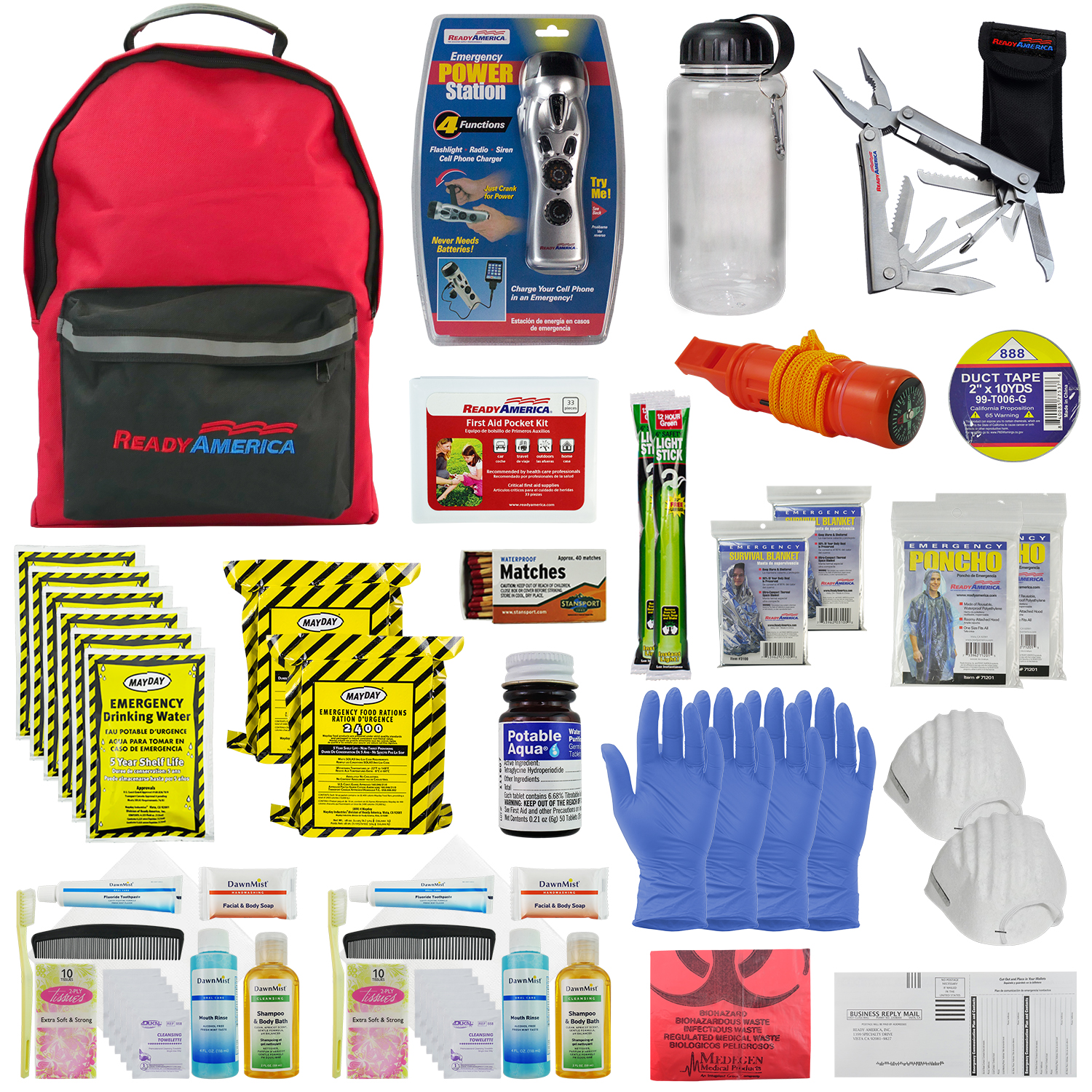
Emergency backpack
Choose a size an adult can actually carry, with simple compartments and durable zippers.
View on Amazon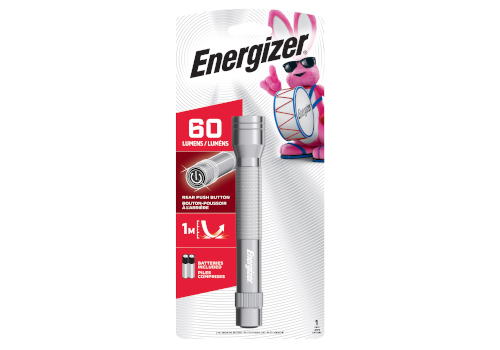
Flashlight
Compare battery type, brightness settings, ease of use, and whether replacement batteries are easy to find.
View on Amazon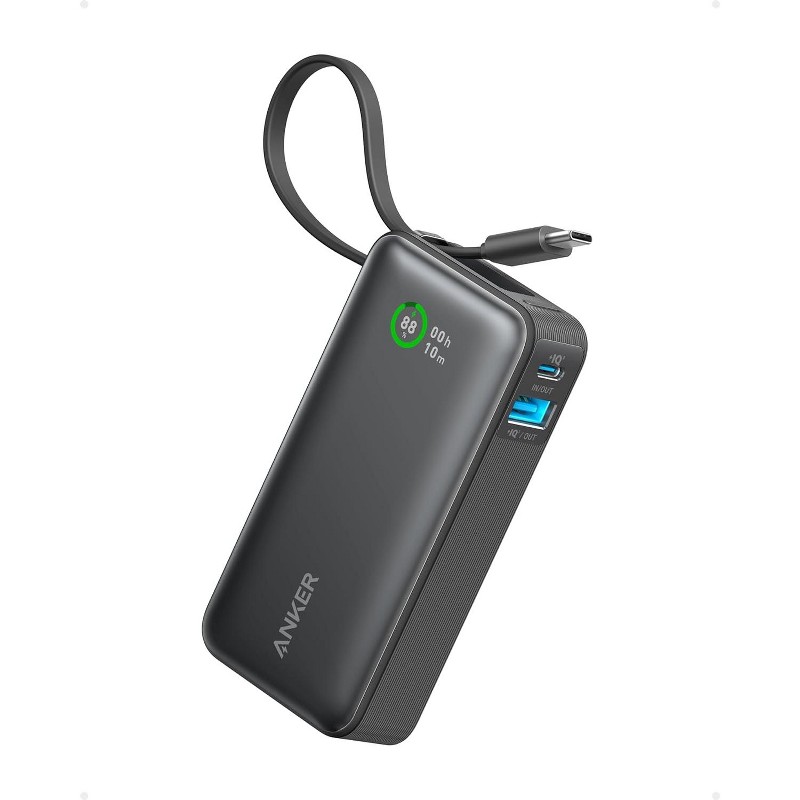
Power bank
Check capacity, device compatibility, charging ports, safety certification, and storage instructions.
View on AmazonQuick action checklist
Sources & further reading
These general references informed this guide and are offered as a starting point for further reading — they are not a complete claim-by-claim source register.
Frequently asked questions
How much emergency food and water should a family keep?
Enough for several days is the standard baseline, adjusted for your family's size and needs. Local recommendations vary by hazard and storage capacity, so check Ready.gov and your local emergency-management agency for current numbers.
Should I make one big kit or several smaller kits?
Many households do better with a main home kit plus smaller sets in a vehicle, workplace, diaper bag, or evacuation backpack. It depends on how you travel and what hazards are realistic in your area.
How often should I review the kit?
Twice a year is a practical baseline, with extra checks before severe-weather seasons, travel, or major household changes. Replace expired items and update medication lists, contacts, clothing sizes, and child supplies each time.
Do I need to buy a pre-made emergency kit?
No. A pre-made kit saves time but may not match your household. Building your own lets you choose familiar food, correct medical supplies, appropriate baby or pet items, and better-quality tools.
Final takeaway
The best family emergency kit is the one your household actually maintains. Treat September as a prompt, not a deadline for perfection: keep the highest-impact steps visible, assign ownership where you can, and schedule a short review instead of rebuilding the system from scratch each year. Buy only what removes real friction. Everything else is money better spent on the habit than the gear.