
How to Organize Your Family Medical Information at Home

Most families keep medical information scattered across a kitchen drawer, a phone, and whatever someone happens to remember at the pharmacy counter. None of that holds up during a hospital stay or a rushed pediatrician visit. This guide shows how to pull it into one system that a tired parent can actually keep using.
Build a system that works during stress
Family records are most valuable when someone can find the right information quickly. The goal is not to create a perfect archive. It is to maintain a small, current set of essential information and a secure place for detailed records. A paper binder can work, as can an encrypted digital folder, or a hybrid system. Choose the method that every responsible adult in the household can understand.
Create one profile per person
For each family member, record full name, date of birth, emergency contacts, clinicians, preferred hospital, insurance or payment information, allergies and reactions, current medicines and doses, major diagnoses, surgeries, implants, vaccination history, and relevant family history. Include communication or accessibility needs. Date every update. Separate facts from questions or unconfirmed information.

Use a simple folder structure
Create sections for emergency summary, medicines, allergies, immunizations, visits, laboratory and imaging results, hospital records, dental and vision care, insurance, and legal documents. A medical records binder with dividers is easy to browse. A label maker is optional; clear handwritten tabs work just as well. Avoid mixing receipts, school forms, and clinical results without categories.
Protect privacy
Medical information is sensitive. Keep paper files in a secure, dry location and limit access to people who genuinely need it. Use a strong password and device encryption for digital records, turn on multifactor authentication where available, and avoid sending full records through unsecured messaging. Do not store the only copy on a phone that could be lost. For children and dependent adults, follow applicable consent and privacy rules.
Decide what to keep and what to discard
Keep current summaries, vaccination records, medication and allergy information, major procedure reports, important imaging or pathology results, and documents your clinicians recommend retaining. Routine duplicate notices and outdated appointment reminders can usually be removed after confirming the essential information is captured. Use secure shredding for discarded paper. When uncertain, ask the relevant clinic or insurer about retention needs.
Create an emergency layer
Place a one-page emergency summary at the front of each binder and save a secure digital copy. Include only information needed for immediate care. Tell trusted household members where it is. A wallet card can point responders to the fuller record without exposing every detail. Do not put highly sensitive identifiers on a card likely to be seen by strangers.
Schedule maintenance
Review the system after every hospital stay, major diagnosis, medication change, vaccination, and at least twice a year. Remove duplicate versions so nobody mistakes an old list for the current one. Mark the newest medication list clearly. Test whether another adult can locate a document in under two minutes; if not, simplify the system.
Make it useful at appointments
Before a visit, copy or print only the relevant summary and recent results. Record what was decided and when follow-up is due. Ask clinics how to obtain portal downloads and how corrections can be requested if a record is inaccurate. Organized records support care, but they do not replace the official chart or professional interpretation.
How to put this guide into practice
Choose one action you can complete today and one question to bring to a qualified health professional. Keep the process simple enough that another family member could follow it. Review information when circumstances change, and write the date on lists or logs so an older version is not mistaken for the current one. Good health organization is not about controlling every outcome; it is about making accurate information easier to use.
Make the plan realistic for your household
The best system is the one your household can keep using on ordinary busy days. Adapt it for shift work, childcare, disability, transport limits, budget, language, and access to technology. Keep essential steps visible and reduce unnecessary ones. If a tool or routine takes more effort than the problem it solves, simplify it. Share responsibilities clearly, but protect each person's privacy and right to participate in decisions. When a recommended action is unaffordable or unavailable, tell the clinician or service provider; a practical alternative may exist.
Review, learn, and adjust
Set a specific review point instead of trying to improve everything at once. At that time, ask whether the information is still accurate, whether the process saved time, and whether anyone found it confusing or stressful. Keep what worked, revise what did not, and remove duplicate or outdated material. A missed step is useful feedback about the design of the system, not evidence that someone has failed. Sustainable health habits usually grow from repeated small improvements, supportive environments, and clear follow-through rather than motivation alone.
Questions to discuss with a professional
Consider asking: What part of this information is most important for my situation? Are there risks or exceptions that apply to me? What should I monitor, and for how long? What result or symptom should prompt a call? When should we review the plan? Write the answers in plain language and include dates. If several clinicians are involved, ask who is responsible for coordinating follow-up. Never assume that silence after a test means everything is normal; confirm how and when results will be communicated.
Quick action checklist
Optional tools that may help
The options below are selected for a specific use described in this article. Amazon availability, sellers, model versions, and prices can change, so confirm the exact product and features on the listing. Every Amazon link includes the Full Healthy Lives affiliate tag fullhealthyli-20.
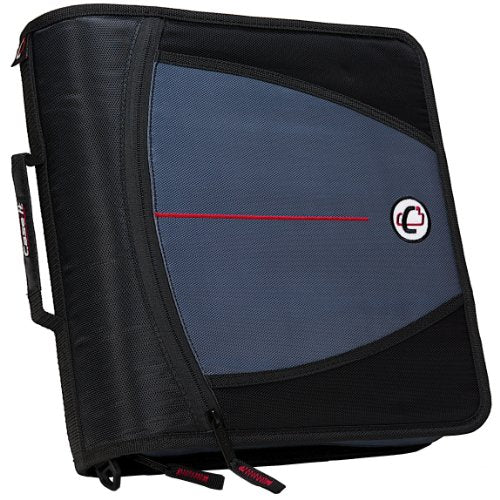
Case-it Mighty Zip Tab Zipper Binder
A useful household option when you want records, dividers, and a small supply pouch secured inside one zippered binder. Check capacity because an oversized binder can become difficult to update and carry.
View on Amazon
Smead 24-Pocket Expanding File Organizer
Best for families who prefer one portable accordion file rather than a ring binder. Assign pockets by person or record type and keep the current emergency summary at the front.
View on Amazon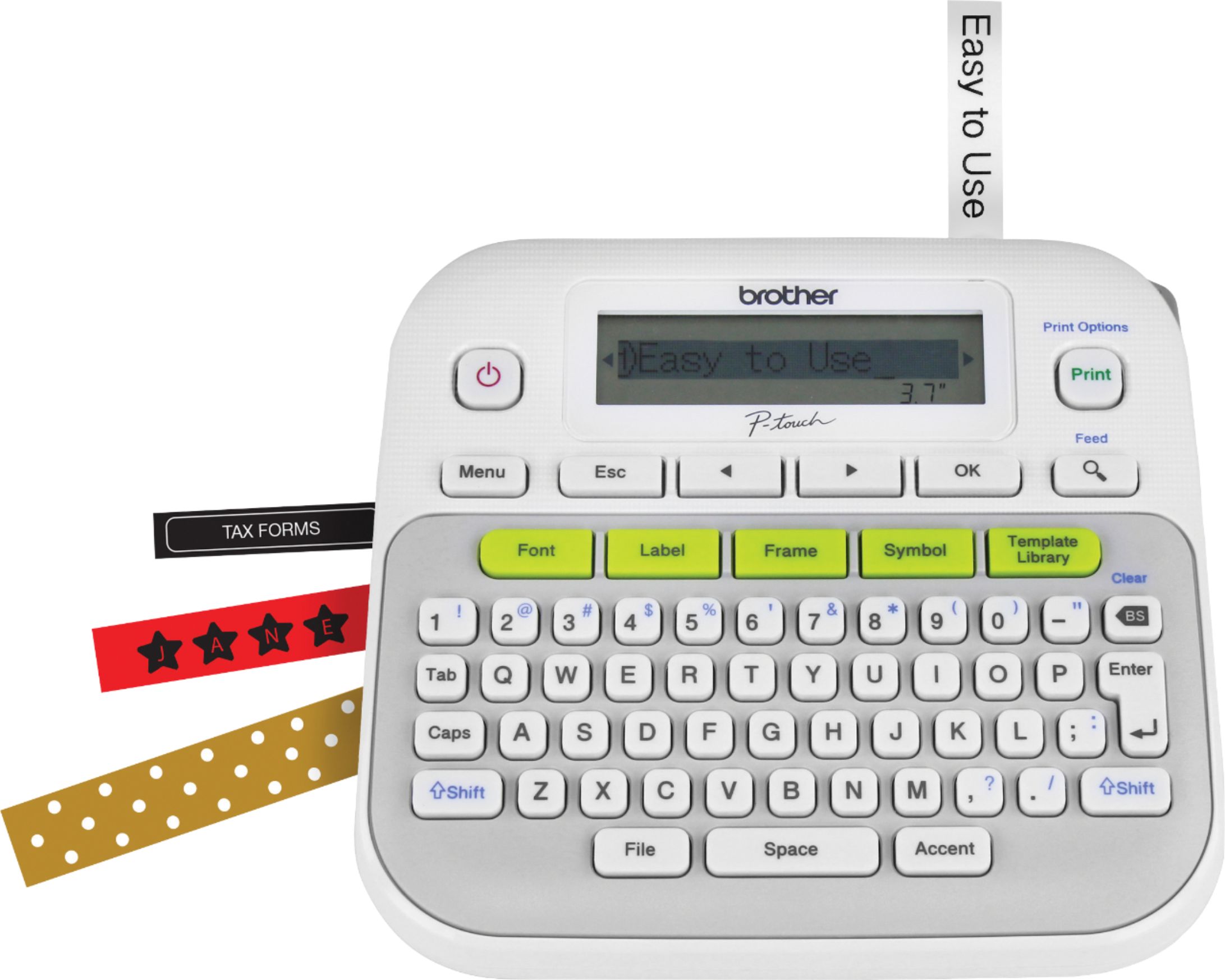
Brother P-touch PT-D210 Label Maker
A simple desktop label maker for readable binder tabs, archive boxes, and document categories. Compare tape availability and ongoing replacement cost before choosing it.
View on AmazonMore choices: browse more family medical-record organizers. Use this broader link for binders, sheet protectors, tab dividers, and expanding files once you know which filing system your household can maintain.
Frequently asked questions
Can I use this guide instead of seeing a doctor?
No. It can help you prepare, organize, and ask better questions, but it cannot assess your individual symptoms or risks.
How often should I update my information?
Update it after meaningful changes and review it at least every six to twelve months.
What if the advice conflicts with my clinician's instructions?
Follow the individualized plan from the clinician who knows your history, and ask for clarification before changing treatment.