
Maternal & Parental
Too Tired to Plan Meals While Pregnant? A Food-First Plan for Busy Weeks
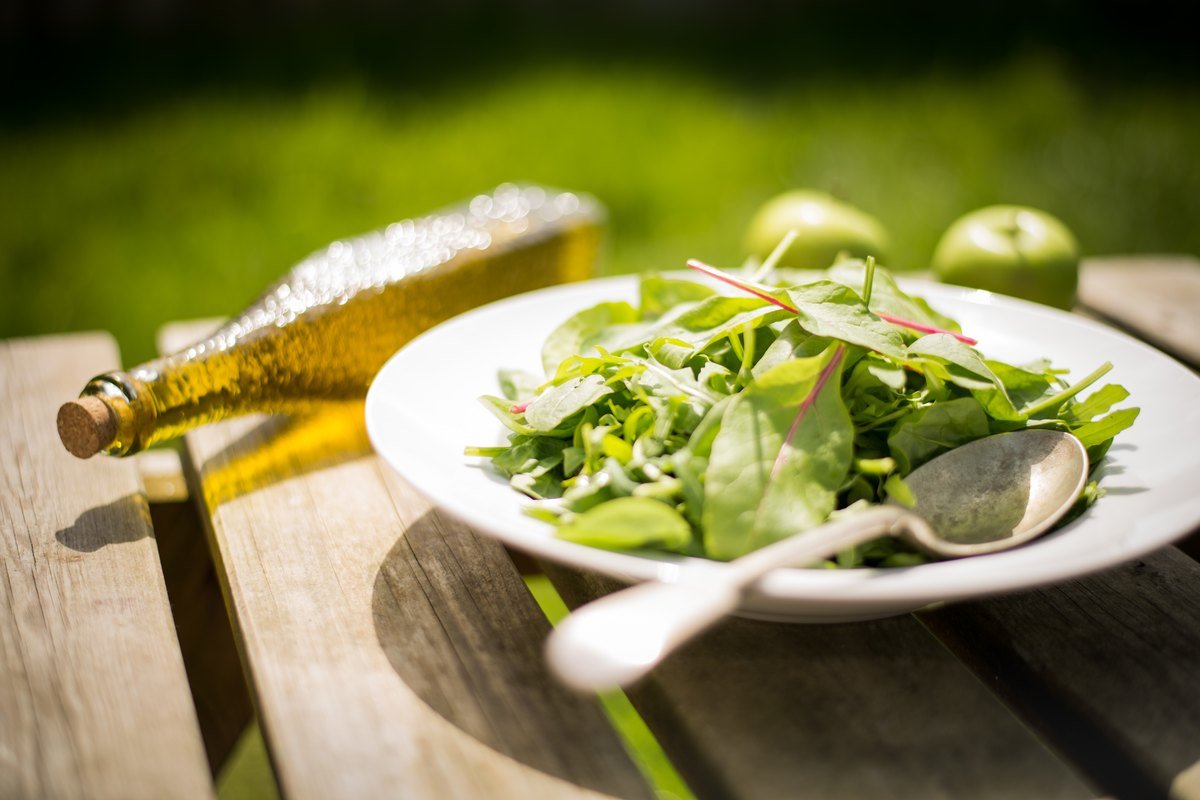
A simple weekly system for eating well during pregnancy: what to prioritize, which foods need extra care, and how to plan around nausea, fatigue, and busy days.
9 min read
Pregnancy doesn’t call for a new way of eating so much as a slightly more deliberate version of a healthy one. As ACOG puts it, “eating for two” doesn’t mean eating twice as much. It means aiming to eat twice as healthy. The challenge is doing that on weeks when you’re tired, queasy, working, or caring for other children.
A meal plan helps by making the decisions in advance. This guide covers what to prioritize, which foods need extra food-safety care, and a weekly structure that holds up on ordinary days. It isn’t a substitute for advice from your prenatal care team, especially if you have diabetes, anemia, food allergies, or another condition that changes what you need.
What to prioritize
ACOG’s guidance for healthy eating during pregnancy is reassuringly familiar: eat a variety of foods from the five food groups (vegetables, fruits, grains, protein foods, and dairy or fortified alternatives), choose fresh whole foods when you can, and eat fewer foods high in saturated fat or added sugar.
- Half the plate fruits and vegetables. Fresh, frozen, canned, and dried all count.
- Whole grains for at least half your grains. Oats, brown rice, barley, quinoa, and whole-wheat bread or tortillas.
- A variety of protein foods. Beans, lentils, eggs, poultry, lean meat, fish, tofu, nuts, and seeds.
- Pasteurized dairy or fortified alternatives. Milk, yogurt, and cheese made from pasteurized milk, or fortified soy and other alternatives.
- Water through the day. ACOG suggests 8 to 12 cups a day during pregnancy, not only when you feel thirsty.
A few nutrients worth planning for
A daily prenatal vitamin covers much of what’s needed, but a few nutrients are worth knowing about when you plan meals:
- Folic acid. ACOG recommends 600 micrograms a day during pregnancy, including a prenatal vitamin with at least 400 micrograms. Fortified cereals, enriched bread and pasta, beans, and dark leafy greens add more.
- Iron. The need rises to 27 milligrams a day. Beans, lentils, fortified cereals, lean meat, and poultry help, and foods rich in vitamin C, such as oranges, strawberries, broccoli, and peppers, help your body absorb iron.
- Choline. ACOG notes that most prenatal vitamins don’t contain much, so food matters. Eggs, milk, chicken, beef, soy products, and peanuts are sources.
- Calcium and vitamin D. Dairy, fortified alternatives, canned salmon or sardines with bones, and leafy greens.
- Omega-3 fats from seafood. See the fish guidance below.
If you’re vegetarian or vegan, ACOG notes that vitamin B12 comes mainly from animal foods, so ask your care team about a supplement.
Food safety: the foods that need extra care
Pregnancy makes some foodborne infections more likely. The CDC says pregnant women are 10 times more likely to get a Listeria infection. Planning helps here too, because the safer choice is usually easy once you know it.
- Deli meat, hot dogs, and cold cuts: heat to 165°F or until steaming hot.
- Meat and poultry: cook all poultry to 165°F, ground meat to 160°F, and whole cuts of beef, pork, or lamb to 145°F with a 3-minute rest. A food thermometer takes out the guesswork.
- Eggs: cook until yolks and whites are firm. Skip raw cookie dough and homemade eggnog.
- Milk and cheese: choose pasteurized. The CDC advises avoiding queso fresco-type fresh soft cheeses even when pasteurized, unless heated until steaming. Hard cheeses and pasteurized cottage cheese, cream cheese, mozzarella, and feta are safer choices.
- Seafood: cook fish to 145°F. Avoid raw fish such as sushi or ceviche, and refrigerated smoked seafood unless it’s cooked into a dish.
- Produce: wash fruits and vegetables. Avoid raw sprouts, and refrigerate cut melon.
- Premade deli salads: store-bought egg, chicken, tuna, and potato salads are riskier choices. Homemade is safer.
How much fish, and which kinds
The FDA and EPA advise eating 8 to 12 ounces of a variety of lower-mercury fish a week during pregnancy, which works out to 2 to 3 servings of about 4 ounces each from their “best choices” list. Salmon, shrimp, cod, pollock, tilapia, sardines, and canned light tuna are all on it. Avoid the highest-mercury fish: bigeye tuna, king mackerel, marlin, orange roughy, shark, swordfish, and tilefish from the Gulf of Mexico. ACOG also suggests limiting white (albacore) tuna to 6 ounces a week.
A weekly structure that holds up on busy days
Instead of planning seven different dinners, plan a few building blocks you can mix and match. For many households, that looks like:
- Two breakfasts on rotation. For example, oatmeal made with milk and topped with fruit and peanut butter, and scrambled eggs with whole-grain toast.
- Two batch-cooked proteins. A tray of roasted chicken thighs and a pot of lentils or black beans can each cover two or three meals.
- Ready-to-eat produce. Washed fruit, cut vegetables, and a bag of frozen vegetables for nights when chopping feels like too much.
- A grain or starchy staple. A pot of brown rice, a bag of whole-wheat tortillas, or baked potatoes.
- Safe grab-and-go snacks. Yogurt, cheese sticks, hard-boiled eggs, hummus with crackers, nuts, or fruit.
From those pieces, a week of dinners might be chicken and vegetable rice bowls, bean and cheese quesadillas with a salad, salmon with potatoes and frozen green beans, lentil soup with bread, leftovers, and two flexible nights. If you’re new to planning this way, our beginner meal-planning system walks through anchor meals, ingredient overlap, and leftovers in more detail.
Prep and leftovers
Batch cooking only saves time if the food stays safe. USDA’s Food Safety and Inspection Service advises refrigerating cooked food within 2 hours (1 hour if it’s hotter than 90°F outside) and eating most leftovers within 3 to 4 days. Reheat leftovers until steaming. Label containers with the date so no one has to guess. If you’re packing lunches for work, our guide to lunch containers covers keeping cold foods cold until lunchtime.
Planning around nausea, aversions, and fatigue
Early pregnancy can upend the best plan. Smells may make cooking hard, and foods you liked last month may suddenly be off the table. A few adjustments help:
- Keep a short list of foods that are going down well, and build the week around those for now.
- Lean on foods that need little cooking: toast, crackers, yogurt, fruit, cereal with milk, and cold leftovers that were cooked and refrigerated safely.
- Let someone else handle the strongest-smelling cooking if possible.
- Keep simple snacks at the bedside and in your bag so you’re never caught without something.
Tell your care team if nausea is making it hard to eat or drink. The CDC’s urgent maternal warning signs include being unable to keep fluids down, not being able to drink for more than 8 hours, or not being able to eat for more than 24 hours. Those need medical care right away.
Shopping and budget
Healthy pregnancy eating doesn’t require specialty products. Frozen vegetables and fruit, canned beans, eggs, oats, brown rice, peanut butter, canned light tuna or salmon, and milk or fortified alternatives are affordable staples. When you compare packaged foods, our guide to reading a Nutrition Facts label shows how to check fiber, sodium, and added sugars quickly. If the week gets away from you, a 20-minute midweek reset can rescue the second half without starting over.
Common mistakes
- Rigid rules. A plan that collapses after one late night is too tight. Build in leftover and flexible nights.
- Doubling up on vitamins. ACOG warns against taking more than the recommended prenatal dose. Some ingredients, such as vitamin A, can cause birth defects at high doses.
- Trusting supplement marketing. Supplements aren’t regulated like medicines. ACOG suggests choosing established brands and asking your ob-gyn or a registered dietitian for recommendations. If you take gummy vitamins, ask whether you need extra iron, since gummies may contain less.
- Forgetting food safety in the rush. Cold deli meat and store-bought deli salads are easy to grab on busy days. Plan safer alternatives.
- Ignoring access limits. If cost, transportation, or kitchen space make this hard, tell your care team. They may know of local programs that can help.
When to ask your care team
Ask for individualized advice if you have gestational or pre-existing diabetes, anemia, a history of an eating disorder, food allergies, a restricted diet, or concerns about weight gain. Your ob-gyn may recommend seeing a registered dietitian, who can tailor a plan to your needs and preferences.
Optional tools
A pen and the back of an envelope work fine for planning. These help some households keep the plan visible and the leftovers organized.
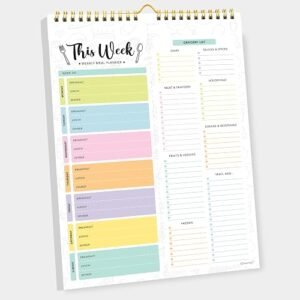
- Weekly meal planner: a pad with space for the week’s meals and a tear-off grocery list can keep everyone in the household on the same plan. View relevant weekly meal planner options on Amazon.
- Food storage containers: shallow containers help leftovers cool quickly in the fridge. Look for lids that seal well and labels for the date. View relevant food storage containers options on Amazon.

Food-first defaults for low-energy days
- Repeatable breakfasts you can eat while half-awake
- One-handed snacks parked where you rest
- Freezer or rotisserie dinners with a fruit/veg side
- A short shopping list that only restocks those defaults
Grocery list that survives nausea
If pregnancy meal planning keeps failing
- Nausea shrinks the menu: keep safe foods you can tolerate; ask your clinician about persistent vomiting.
- You cook nothing: switch to assembly mode—see after-baby meal survival for the same idea.
- Appointments eat the week: pack snacks using appointment prep habits.
Frequently asked questions
Can I eat deli meat while pregnant?
The CDC lists unheated deli meat, cold cuts, and hot dogs as riskier choices. Heating them to 165°F, or until steaming hot, makes them a safer option.
Do I need to eat a lot more?
Not twice as much. ACOG’s advice is to eat twice as healthy rather than twice the amount. How much extra you need depends on your stage of pregnancy and your health, so ask your care team what fits you.
Is canned tuna safe?
Canned light tuna is on the FDA and EPA “best choices” list. ACOG suggests limiting white (albacore) tuna to 6 ounces a week.
What if I can’t keep food down?
Tell your care team. If you can’t keep fluids down, haven’t been able to drink for more than 8 hours, or haven’t been able to eat for more than 24 hours, seek care right away.
Key takeaways
- Build a short list of default meals and snacks—not a gourmet pregnancy diet.
- Prioritize adequacy, hydration, and foods your clinician cleared.
- Use freezer and assembly options on hard days without guilt.
- Call for warning signs like inability to keep fluids down or severe symptoms.
Related reads
Sources
- ACOG – Healthy Eating During Pregnancy
- CDC – Safer Food Choices for Pregnant Women
- FDA – Advice About Eating Fish
- USDA FSIS – Leftovers and Food Safety
- CDC Hear Her – Urgent Maternal Warning Signs
Medical disclaimer
This is general information, not personal medical advice, diagnosis, or treatment. A clinician should guide decisions about symptoms, medicines, vaccines, pregnancy, or children. In an emergency, contact local emergency services.
Affiliate disclosure. This article contains Amazon affiliate links. If you buy through a qualifying link, Full Healthy Lives may earn a commission at no extra cost to you. Product mentions are optional, not medical advice.