
Maternal & Parental
Unsure When It's Safe to Move Again After Birth? Questions to Ask First
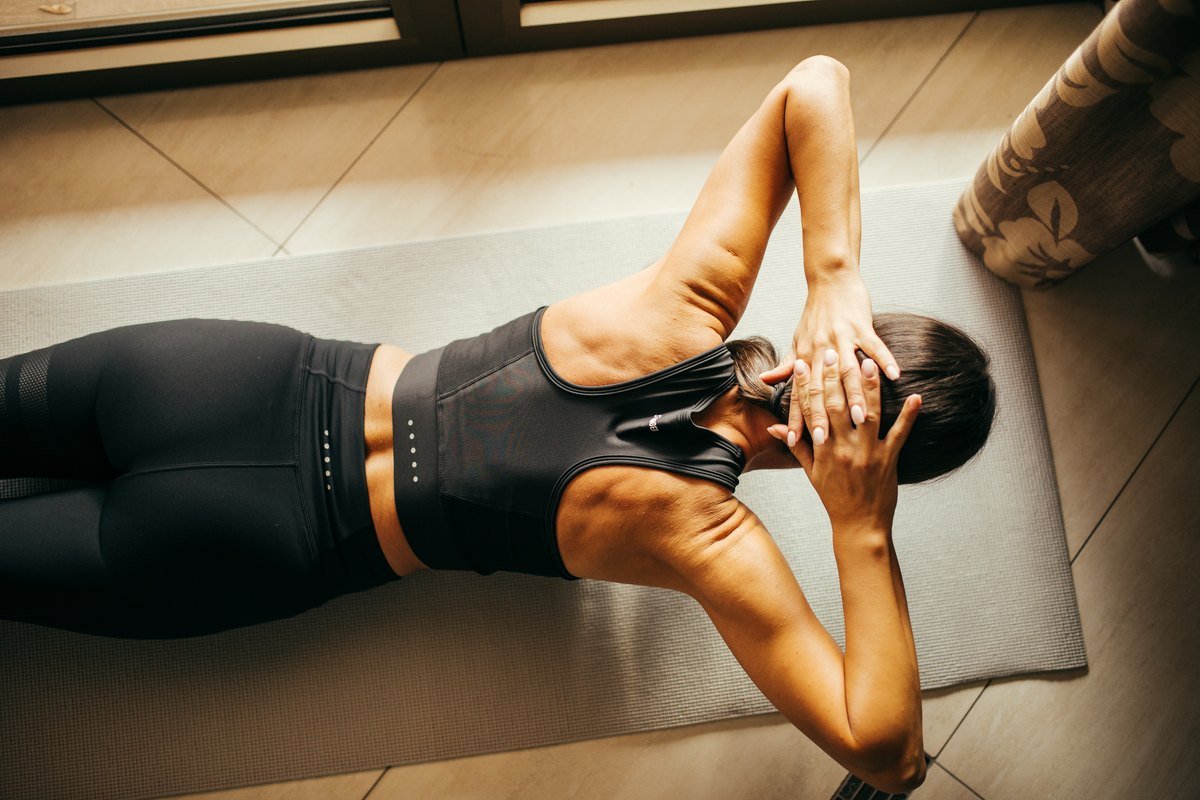
Questions to bring to your clinician about walking, core and pelvic floor recovery, and when to add more, with the warning signs that mean you should stop and call.
9 min read
Plenty of new parents want to move again within days of giving birth. Others don’t feel ready for months. Either can be normal. What helps most is a few clear answers from someone who knows how your pregnancy and birth went, plus a plan that starts small enough to fit around feeding, broken sleep, and healing.
This guide covers what the American College of Obstetricians and Gynecologists (ACOG) says about exercise after pregnancy, the questions worth asking before you begin, what a gentle start can look like, and the symptoms that mean you should stop and get checked.
What the guidance says
ACOG’s patient guidance says that after a healthy pregnancy and an uncomplicated vaginal birth, many people can start exercising again a few days after delivery, or whenever they feel ready. After a cesarean birth or any complication, ask your ob-gyn when it is safe to begin.
The longer-term goal is the same as for other adults: at least 150 minutes of moderate-intensity aerobic activity a week, plus muscle-strengthening activity on at least two days. You don’t have to reach that quickly, and it doesn’t have to come in long workouts. ACOG notes that even 10 minutes of activity counts, and suggests aiming for 20 to 30 minutes a day once you are ready. Three 10-minute walks are a perfectly good way to get there.
Moderate intensity means your heart rate is up and you may start to sweat, but you can still talk. You couldn’t sing comfortably. If you trained hard before pregnancy, you may be able to work back toward vigorous exercise, but ACOG advises talking with your ob-gyn first.
Questions to ask before you begin
Bring these to your postpartum visit, or to a call with your care team if the visit is weeks away. Our postpartum appointment checklist covers the rest of that conversation, from bleeding to mood to contraception.
About your birth and recovery
- Given how I gave birth and any complications, what kind of activity is fine for me right now?
- Is there anything I should avoid for the moment, such as running, jumping, heavy lifting, or swimming? Until when?
- How should my incision, tear, or stitches feel during and after activity? What would mean I’m overdoing it?
- Does a condition from this pregnancy, such as high blood pressure, gestational diabetes, or anemia, change what I should do?
About your core and pelvic floor
- I’m leaking urine, feeling heaviness or pressure, or noticing a bulge or gap along my belly. Should that be checked before I do more?
- Would pelvic floor physical therapy help me before I return to higher-impact exercise?
- Can you show me, or refer me to someone who can show me, how to do pelvic floor (Kegel) exercises correctly?
- When is it reasonable to add core work such as planks or sit-ups, and what should I start with instead?
About feeding, sleep, and mood
- I’m breastfeeding or pumping. Is there anything I should do differently around workouts?
- How do I balance exercise with very little sleep? Should rest come first on some days?
- I’ve read that exercise can help mood. If I’m struggling emotionally, what support is available beyond exercise?
Write down the answers, with the date. Advice that fits you at two weeks may change by eight, and a short note makes it easier to ask a better follow-up question.
A gentle way to start
Once your clinician has said it’s fine to begin, start with movement that is easy to stop and easy to repeat. ACOG suggests walking as a good way to begin, along with simple exercises for the major muscle groups, including the abdominal and back muscles. From there, add moderate activity gradually.
For many people, the first couple of weeks of activity look something like this:
- Short walks. Five to ten minutes on flat ground, close to home, at a pace where you can talk easily. Add a few minutes when a walk feels comfortable the next day too. Our guide to walking after meals has ideas for fitting short walks into an ordinary day.
- Breathing and pelvic floor work. Slow breathing and the pelvic floor exercises your clinician or physical therapist taught you, done lying down or seated at first.
- Gentle mobility. Shoulder rolls, neck stretches, and easy hip movement to ease the stiffness that comes from feeding and carrying a baby.
- Rest days. Planned ones. Recovery is part of the plan, not a break from it.
When those feel easy, you might lengthen walks, pick up the pace, or add bodyweight strength moves such as sit-to-stand from a chair, wall push-ups, or glute bridges, if your clinician has said they’re fine for you. Progress one thing at a time so you can tell what your body is responding to.
Getting ready for a workout
ACOG’s practical tips are simple: wear loose, cool clothing and a bra that fits well and gives good support. If you are breastfeeding, feed your baby or express milk before exercising to avoid discomfort from full breasts. Keep water nearby and sip during the session.
Stop and call if you notice these signs
ACOG’s advice is to stop exercising if you feel pain. Some symptoms need more than a pause. The CDC’s Hear Her campaign lists urgent maternal warning signs that can occur up to a year after birth. Seek medical care right away for:
- Heavy bleeding, soaking through one or more pads in an hour, or passing clots bigger than an egg
- Chest pain, a racing or pounding heartbeat, or trouble breathing
- A severe headache that won’t go away or gets worse, or changes in your vision
- Dizziness or fainting
- Swelling, redness, or pain in one leg or arm
- A fever of 100.4°F (38°C) or higher
- Severe belly pain that doesn’t go away
Other changes are worth a call to your clinician even if they aren’t emergencies: bleeding that gets heavier or turns bright red again after activity, new or worsening leaking, a feeling of heaviness or dragging in the pelvis, or pain at an incision that builds instead of easing.
Common mistakes
- Comparing timelines. Someone else’s six-week run says nothing about your body, your birth, or your sleep.
- Treating one visit as clearance for everything. Being told you can exercise is not the same as being told every exercise is right for you yet. Ask about specific activities.
- Following a “bounce back” program. Online challenges are built for engagement, not for your recovery. Choose guidance that lets you progress slowly.
- Pushing through pain or bleeding. These are signals to ease off and check in, not obstacles to beat.
- Trading away sleep. When nights are rough, a 10-minute walk in daylight may serve you better than an early alarm for a workout.
Making it fit real life
Most new parents don’t have a free hour. Short sessions are the realistic option, and they work.
- Walk with the baby. If you’re choosing gear for this, our stroller buying guide and baby carrier guide cover fit and safety checks.
- Pair movement with something you already do: a few minutes of floor exercises after a morning feed, or a lap of the block before the afternoon nap.
- Ask a partner or helper to take the baby for 20 minutes at a set time. Agreeing on who covers which slot, ahead of time, works better than asking in the moment. Our guide to sharing the mental load has a simple way to do this.
- Keep the gear simple. Comfortable shoes and a supportive bra matter more than equipment.
Optional tool
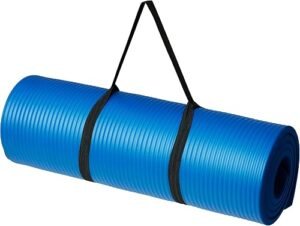
You don’t need equipment to start. If you plan to do floor exercises at home, a mat can make them more comfortable on hard floors.
- Nonslip exercise mat: look for a surface that grips the floor, enough cushioning for kneeling, and a cover you can wipe clean. View relevant nonslip exercise mat options on Amazon. Compare a few listings for thickness, size, and return terms.
A practical starter week after clearance
Only begin this pattern if your obstetric clinician cleared you for it. Day 1–2: short indoor walks and gentle breathing. Day 3–4: add a few bodyweight moves that do not strain the incision or pelvic floor. Day 5–7: repeat what felt steady; do not add impact. Write symptoms in a notes app after each session so the next visit is specific.
If you still do not know what is allowed
- Advice from friends conflicts: follow the clinician who knows your birth story; verify online claims with how to check health information.
- Pain, bleeding, or pelvic heaviness appears: stop and call—activity should not “push through” warning signs.
- You feel ready but anxious: ask for written clearance and a starter plan (walking first, then strength).
- Core or pelvic floor feels different: request referral to a pelvic-floor physical therapist when available.
When cleared for gentle strength, a beginner home strength plan can be a template—modify with your clinician’s limits. Recovery logistics at home still matter; see a postpartum recovery station.
Frequently asked questions
Do I have to wait for my postpartum visit before I exercise?
Not always. ACOG says that after a healthy pregnancy and uncomplicated vaginal birth, many people can begin a few days after delivery or when they feel ready. After a cesarean birth or complications, ask your ob-gyn first. If you’re unsure which applies to you, call your care team before you start.
Is it OK to exercise while breastfeeding?
Yes, for most people. ACOG suggests feeding or pumping beforehand, wearing a supportive bra, and keeping water nearby. If you notice changes you’re worried about, raise them with your clinician or a lactation consultant.
When can I do sit-ups or crunches again?
There’s no single date. It depends on how your abdominal wall and pelvic floor are healing. Ask your clinician, and mention any bulging along the middle of your belly, leaking, or pelvic pressure. A pelvic floor physical therapist can suggest where to start.
How do I know if I’m doing too much?
Pain, bleeding that increases after activity, new leaking or heaviness, or feeling wiped out for the rest of the day are signs to scale back. The urgent warning signs above need medical care right away.
Key takeaways
- Ask your obstetric clinician what is cleared for your birth type and complications before you progress exercise.
- Start with daily walking and basic recovery moves unless you were told otherwise.
- Stop for warning signs—pain, heavy bleeding, dizziness, pelvic pressure—and call.
- Build toward regular activity gradually; get specialized help for pelvic-floor or core concerns.
Related reads
Sources
- ACOG – Exercise After Pregnancy
- CDC Hear Her – Urgent Maternal Warning Signs
- U.S. Department of Health and Human Services – Move Your Way
Medical disclaimer
This is general information, not personal medical advice, diagnosis, or treatment. A clinician should guide decisions about symptoms, medicines, vaccines, pregnancy, or children. In an emergency, contact local emergency services.
Affiliate disclosure. This article contains Amazon affiliate links. If you buy through a qualifying link, Full Healthy Lives may earn a commission at no extra cost to you. Product mentions are optional, not medical advice.