

Preventive Health
Habit Tracking Not Working? What's Actually Worth Tracking
Which health habits are actually worth tracking, how to keep a tracker simple, and how to tell when tracking has stopped helping.
6 min read
What this guide covers: how to measure habits: which ones are worth tracking, the smallest workable measure, and when tracking stops helping. If you need ideas for which small habits to start, see our habit stacking ideas.
Track decisions, not your entire life
A useful tracker makes a desired action easier to notice and repeat. An unhelpful tracker creates guilt, obsession, or piles of data with no decision attached. Start with one or two behaviours you can influence, not every possible health metric. Ask: What will I do differently when I see this information? If the answer is nothing, you may not need to track it.
Choose habits linked to your real goal
For better energy, bedtime consistency, wake time, daylight exposure, movement breaks, and regular meals may be more actionable than a vague “wellness score.” For improved fitness, track planned sessions, walking time, or progressive training rather than daily weight alone. For stress management, track a short breathing break, time outdoors, or contact with supportive people.
Use the smallest workable measure
Binary checkboxes are often enough: completed or not completed. Other useful measures include minutes, servings, cups, or a simple one-to-five rating. Avoid false precision. Consumer devices estimate many metrics and can be useful for trends, but they are not equivalent to clinical measurements and may be less accurate in some people or situations.
Track sleep without chasing perfection
Record bedtime, wake time, approximate sleep duration, and how rested you feel. Look for patterns across weeks rather than reacting to one poor night. If wearable sleep scores increase anxiety, stop using them. Persistent insomnia, loud snoring with daytime sleepiness, breathing pauses, or dangerous fatigue deserves professional assessment.
Track food in a supportive way
A simple meal pattern, vegetable or fruit frequency, water access, or planned grocery preparation may be more sustainable than meticulous calorie counting. Detailed logging can help some people under appropriate guidance, but it can worsen distress or disordered eating in others. Choose a method that supports nourishment and flexibility.
Review weekly, not constantly
Set a five-minute weekly review in a habit journal or on a wall calendar. Ask what helped, what got in the way, and what small adjustment is realistic. Look for environmental fixes: preparing shoes, setting a bedtime alarm, moving fruit into view, or scheduling a walk. Missed days are information, not failure.
Know when numbers need professional interpretation
Symptoms, blood pressure, blood sugar, weight change, mood, pain, and medication effects can require clinician guidance. Follow the monitoring plan you were given. Do not change treatment based on a consumer app or isolated value. Seek urgent help for severe symptoms, safety concerns, or thoughts of self-harm.
A four-week starter plan
Week one: choose one behaviour and record a baseline without judgment. Week two: set a small target and change one cue in your environment. Week three: review barriers and reduce the task if needed. Week four: decide whether the tracker is helping. Continue, simplify, replace, or stop it based on usefulness—not on an unbroken streak.
Quick action checklist
Optional tools that may help
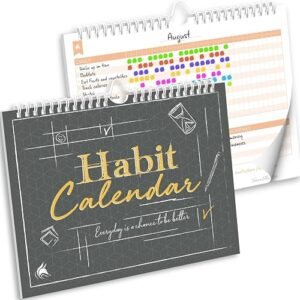
Option 1: Clever Fox Habit Tracker Calendar — A dedicated option for readers who want monthly habit grids, goal prompts, and visible progress. It works best when tracking only a few meaningful behaviours rather than filling every available box.
Option 2: Legend Planner Weekly and Monthly Life Planner — A broader planning option that combines habits with weekly priorities and reflection. Choose it if routines need to fit alongside work and family commitments.

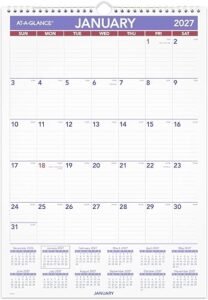
Option 3: AT-A-GLANCE Monthly Wall Calendar — A simple shared-household option for movement, meal preparation, sleep routines, or appointment reminders. Use brief labels and avoid displaying private health details in a common area.
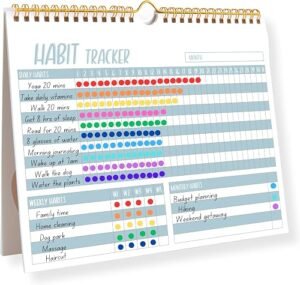
More choices: Browse more habit journals and wall calendars — Use this broader link to compare undated trackers, weekly planners, and wall calendars after deciding whether the system is private or shared.
Use this guide in the next week
Track one behavior that is tied to a decision, not a score for your whole life. A checkbox for a consistent bedtime, a short walk, or a planned meal is enough for most of the goals this article discusses. Minutes, servings, cups, or a simple one-to-five rating are useful only if you will look at them at a weekly review. Record sleep as bedtime, wake time, approximate duration, and how rested you felt, and look across weeks rather than reacting to one poor night. Food notes can be a pattern, such as whether meals were planned or whether vegetables showed up, rather than a calorie diary you will abandon.
Set one five-minute review each week and ask what helped, what got in the way, and which single cue you can change. A four-week start can stay small: one behavior and a baseline in week one, one environmental cue in week two, a review of barriers in week three, and a decision to keep or shrink the habit in week four. Stop if the tracker creates guilt or constant checking. Blood pressure, blood sugar, weight change, mood, pain, and medicine effects need the interpretation your clinician asked for, on their schedule. This article is about what is worth writing down. It is not a diagnosis and it is not a reason to change treatment on your own.
If tracking is making things worse
- You dread opening the app: switch to a paper checkbox for two weeks. The tool is optional; the cue is not.
- You track everything and change nothing: cut to one habit for fourteen days.
- Food tracking spikes anxiety: stop detailed logging and use a gentler pattern (regular meals, protein at breakfast—see high-protein breakfast ideas).
- Sleep scores stress you out: track only bedtime and wake time for a week, or review lifestyle factors for morning fatigue without a wearable.
Pair tracking with routines that remove decisions—like an evening reset—so the habit is not relying on willpower alone.
Frequently asked questions
How many habits are worth tracking at once?
Start with one or two behaviors you can influence. A simple checkbox is often enough. If the number will not change what you do next, you may not need to track it.
Should I trust a wearable sleep score?
Record bedtime, wake time, rough sleep time, and how rested you felt. Look across weeks instead of one poor night. Stop the score if it makes you more anxious.
When is it reasonable to quit a tracker?
Set one five-minute review each week. After about four weeks, keep the tracker only if it still helps. Drop it if it creates guilt or constant checking.
Key takeaways
- Track a few decisions linked to a real goal—not your entire life.
- Use the smallest measure you will keep; review weekly.
- Drop metrics that create shame without helping you act.
- Let clinicians interpret medical numbers; habit apps are not diagnostic tools.
Related reads
Medical disclaimer
This content is for general educational purposes only and is not medical advice, diagnosis, or treatment. Recommendations vary by person and location. Consult an appropriately qualified health professional about personal concerns. In an emergency, contact local emergency services.
Sources
- CDC – About Sleep: https://www.cdc.gov/sleep/about/index.html
- Physical Activity Guidelines for Americans: https://health.gov/our-work/nutrition-physical-activity/physical-activity-guidelines
Affiliate disclosure. This article contains Amazon affiliate links. If you buy through a qualifying link, Full Healthy Lives may earn a commission at no extra cost to you. Product mentions are optional, not medical advice.