
Practical Lifestyle
Shift Work Wrecking Your Meals and Sleep? How to Plan, Move, and Rest Better

Build a flexible healthy routine for shift workers with practical meal planning, movement, sleep protection, and fatigue-aware safety steps.
6 min read
Why a practical system matters
Shift work can disrupt sleep timing, meals, family routines, and opportunities for movement. A useful plan follows the shift pattern instead of pretending every day begins at 7 a.m., and it treats sleep and safety as foundations rather than rewards.
A step-by-step approach
1. Map the shift cycle
Mark work, commute, sleep opportunity, caregiving, and recovery time across the full rotation instead of planning one ideal day.
2. Anchor meals to waking and work demands
Prepare balanced, portable options and avoid relying on long gaps followed by one very large meal.
3. Protect the sleep environment
Use darkness, comfortable temperature, reduced noise, and household agreements to make daytime sleep more possible.
4. Use movement in small doses
Choose brief walks, mobility breaks, or short strength sessions that do not take necessary sleep time.
5. Manage caffeine strategically
Notice dose and timing, and avoid using caffeine so late in the shift that it interferes with the planned sleep period.
6. Plan for fatigue-related safety
Do not drive or operate equipment when dangerously sleepy; use workplace procedures, safe transport, rest, or professional guidance when needed.
A few optional picks
Leakproof Meal Prep Containers
Rubbermaid Brilliance Food Storage Containers
A clear, locking-lid system for packed meals and stackable refrigerator storage.

Bentgo Prep Containers
A lightweight portioned option for readers preparing several lunches at once.

Room Darkening Blackout Curtains
NICETOWN Blackout Curtains
A widely available grommet-panel option offered in many sizes and colours.
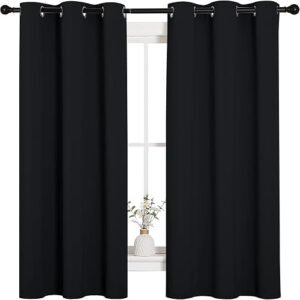
Deconovo Blackout Curtains
A budget-friendly panel style for readers comparing room darkening with decorative finishes.

What to try before buying anything
- Darkness: foil or a spare dark sheet taped over a window for a week shows whether blackout curtains are worth it.
- Noise: a fan or a free white-noise app often masks daytime sound well enough.
- Meals: reuse takeout containers or jars while you work out what you actually pack.
- Household signals: a “sleeping” note on the bedroom door and a shared calendar cost nothing and protect sleep as much as any gadget.
Quick action checklist
If shift life still wrecks meals and sleep
- You skip food for an entire shift: pack two nonperishable backups the night before—see high-protein ideas that need little prep.
- Days off feel jet-lagged: keep a consistent sleep opportunity anchor when you can; use lifestyle factors for morning fatigue without forcing a “normal” 11 p.m. bedtime.
- Fatigue is unsafe for driving: arrange a ride, nap before commuting, or swap tasks—do not treat caffeine as a fix for severe sleepiness.
- Stress stays high after shifts: keep a short reset like the 10-minute overload reset before you try to sleep.
Plan meals around your shift, not the clock
When you work nights or rotating shifts, “breakfast, lunch, and dinner” stop matching your day. It is easier to think in terms of a main meal before your shift, a lighter meal or snack partway through, and a small, easy-to-digest snack before sleep if you are hungry. Heavy, greasy, or very large meals in the middle of a night shift can leave you sluggish and uncomfortable, so many shift workers do better with smaller portions spread out.
- Pack food at home so you are not relying on vending machines at 3 a.m.
- Include a protein, a vegetable or fruit, and a whole grain in the main pre-shift meal.
- Keep a water bottle at your workstation and refill it at breaks.
- Stop caffeine several hours before you plan to sleep.
Protect sleep after a night shift
Daytime sleep is often shorter and lighter than night sleep, because light, noise, and household life all compete with it. Treat sleep after a shift as an appointment: keep the bedroom dark and quiet, use blackout curtains or an eye mask, and ask family members to protect your sleep window. On the drive home, wear sunglasses to reduce bright morning light, and go to bed soon after you get home rather than starting chores. Try to keep a similar sleep window on consecutive work days.
Drowsy driving after a shift
The commute home after a night or long shift is one of the riskiest parts of the day. If you notice yawning, heavy eyelids, missed exits, or drifting from your lane, pull over somewhere safe. A short nap before driving, a ride from someone else, or public transport are safer than pushing through. Opening a window or turning up the radio does not fix sleepiness.
Fitting in movement when your days rotate
Adults need at least 150 minutes of moderate activity a week plus muscle-strengthening on 2 days, according to the CDC, and shift work does not change that target. It can help to anchor activity to your shift rather than to weekdays: a brisk walk before a late shift, a short strength session on the first day off, or stretching during a quiet part of the night. Avoid hard workouts right before you need to sleep if they leave you wired.
Days off and switching back
Many shift workers flip to a normal daytime schedule on days off, which can feel like jet lag every week. Some find it easier to sleep in a middle window on days off, for example going to bed later and waking later than usual, so that the switch back is smaller. Our guide to resetting a sleep schedule has more on shifting gradually.
Frequently asked questions
Should shift workers keep the same sleep schedule on days off?
Consistency can help, but family and work realities differ. A clinician or sleep specialist can help when persistent sleep problems or severe fatigue continue.
Is meal prep necessary?
No, but having portable food reduces dependence on limited overnight options. Even preparing one main meal and two simple snacks can help.
When should fatigue be discussed with a professional?
Seek advice for persistent insomnia, loud snoring or breathing pauses, near-miss accidents, severe sleepiness, or symptoms that affect safety and function.
Key takeaways
- Design meals, movement, and sleep around the shift—not around an ideal 9-to-5 template.
- Pack food before you are hungry and protect a real sleep window after nights.
- Treat severe sleepiness as a safety issue for driving and work tasks.
- Ask a clinician when sleep problems, mood changes, or health conditions need more than routine tweaks.
Related reads
When to seek expert help
Talk with a clinician if, for several weeks, you cannot sleep even when you have the chance, you feel dangerously sleepy at work or while driving, a bed partner notices loud snoring or pauses in breathing, or low mood and irritability are affecting your relationships. Persistent difficulty sleeping on a shift schedule can be a recognized sleep disorder, and a sleep specialist can help. Tell your clinician about your shift pattern too, because it can affect when you take some medicines.
This guide is general information, not personal medical advice. In an emergency, call 911 or your local emergency number.
Sources
- NIH News in Health — Whole Person Health
- NIH — Your Healthiest Self Wellness Toolkits
- NIMH — Caring for Your Mental Health
- NIDDK — Health Tips for Adults
- CDC/NIOSH — Shiftwork, Long Work Hours, Fatigue
- CDC — About Sleep
- CDC – Adult Activity: An Overview
Affiliate disclosure. This article contains Amazon affiliate links. If you buy through a qualifying link, Full Healthy Lives may earn a commission at no extra cost to you. Product mentions are optional, not medical advice.