
Practical Lifestyle
Feeling Run-Down at Work? Build a Low-Cost Wellness Kit for Your Desk

Build a low-cost wellness kit for work with practical hydration, food, movement, comfort, hygiene, and emergency-contact essentials.
7 min read
Why a practical system matters
A work wellness kit should solve ordinary problems without promising medical benefits: no water bottle when meetings run long, no safe place for lunch, cold offices, small comfort needs, or missed movement breaks. Start with what your workday actually permits.
A step-by-step approach
1. Check workplace rules first
Confirm storage, food, allergy, security, uniform, and equipment policies before bringing products to work.
2. Build around hydration and meals
Choose a washable bottle and an insulated lunch system suited to the length of the commute and available refrigeration.
3. Add simple comfort items
Consider tissues, fragrance-free personal care items, a spare mask where useful, and layers allowed by workplace policy.
4. Include movement options carefully
A compact resistance band can support short activity breaks, but only where space, privacy, clothing, and safe technique permit.
5. Protect privacy and medication safety
Do not leave medicines, health information, or valuables unsecured; follow label instructions and workplace rules.
6. Review the kit monthly
Remove expired food, wash containers, replace damaged items, and discard anything that never earns its space.
A few optional picks
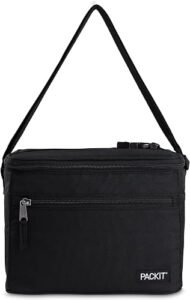
Insulated Lunch Bag
PackIt Freezable Lunch Bag
A bag with built-in freezable walls for readers who want fewer separate ice packs.
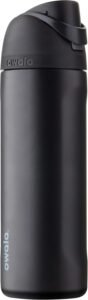
Reusable Water Bottle For Work
Owala FreeSip Insulated Water Bottle
A versatile covered-spout bottle for desk, commute, and meeting use.
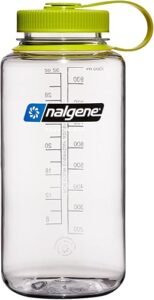
Nalgene Sustain Wide Mouth Bottle
A lightweight non-insulated option with volume markings and a simple screw cap.
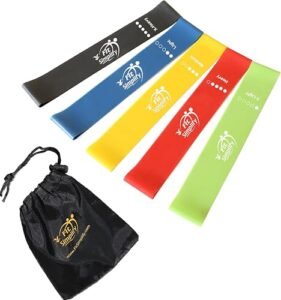
Light Resistance Band Set
Fit Simplify Resistance Loop Exercise Bands
A compact loop set with several resistance levels for simple workplace or travel storage.
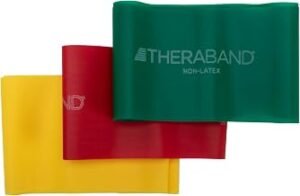
THERABAND Resistance Bands Set
A flat-band option with progressive levels and no handles.
Build the kit from what you own first
- A clean jar or old bottle works as a water bottle while you check whether you actually refill it at work.
- A reusable shopping bag with a frozen water bottle inside keeps a packed lunch cold on short commutes. For longer days, use an insulated bag with ice packs and a fridge when one is available.
- A zip pouch holds tissues, lip balm, a spare hair tie, and any personal medicine you are allowed to keep at work.
- A sticky note on your monitor reminds you to stand, stretch, or refill water every hour or so.
Replace an item only after it fails you. That keeps the kit small enough to stay useful.
Quick action checklist
If the desk kit is not helping
- You never refill it: put a monthly calendar reminder; an empty kit is décor.
- You still skip lunch: the kit cannot invent a break—block a short eat window and use quick protein ideas you can keep at work.
- Stress is the real drain: add a 10-minute reset before buying more items.
- Symptoms are medical: dizziness, chest pain, fainting, or persistent fatigue need clinical care—not more mints and hand cream.
Shift workers may need a different kit timing strategy—see routines for shift work. Keep spending low; the point is removing friction, not collecting gadgets.
What to put in a basic desk kit
- Water bottle: a refillable bottle you can keep in sight.
- Snacks: a few shelf-stable options such as nuts, whole-grain crackers, or dried fruit.
- Personal care: lip balm, hand cream, tissues, and hand sanitizer.
- Comfort: a cardigan or light layer for cold offices.
- Health basics: any personal medicines you may need at work, kept in their original labeled containers.
- Movement prompt: a resistance band or a printed stretch routine.
Keep it small. A kit that fits in one drawer is easier to keep stocked than a crowded shelf.
Protecting your eyes during screen work
The American Optometric Association suggests the 20-20-20 rule to reduce digital eye strain: every 20 minutes, look at something 20 feet away for 20 seconds. Eye drops for dryness, a small desk lamp to reduce glare, and positioning the screen slightly below eye level can also help. See an eye care professional if you have persistent blurred vision or headaches.
Snacks that keep at your desk
Choose snacks that do not need refrigeration, such as nuts, seeds, whole-grain crackers, nut butter packets, and whole fruit. Perishable foods need to stay cold; USDA’s Food Safety and Inspection Service recommends an insulated bag with two cold sources if there is no fridge at work. Our work snacks guide has 20 ideas.
Keeping the kit useful
Put a reminder in your calendar once a month to check the kit. Restock snacks, replace anything expired, and remove items you never use. If you share a desk or hot-desk, use a small pouch or bag that you can carry between workspaces.
Movement at your desk
A wellness kit can include prompts to move. Keep a resistance band in the drawer, set a reminder to stand every hour, and use your water bottle as a reason to walk to the refill station. Our desk mobility routine fits into a few minutes between tasks.
Staying well during cold and flu season
Keep tissues, hand sanitizer, and a small pack of disinfecting wipes for your keyboard and phone. If you feel unwell, the CDC advises staying home until your symptoms are improving overall and you have had no fever for 24 hours without fever-reducing medicine.
Frequently asked questions
How much should a work wellness kit cost?
Start with items already owned. A bottle, lunch container, and small pouch may be enough; add products only after a repeated need appears.
Should medicine be included?
Only when personally needed and stored according to the label, workplace policy, and professional advice. Never share medication.
Are resistance bands suitable for everyone?
No. Check the band for damage, use safe technique, and ask a qualified professional if pain, injury, pregnancy, or a health condition changes what is appropriate.
Key takeaways
- Build a low-cost desk kit around your actual problems—not a generic wellness aesthetic.
- Refill and pair it with real breaks; supplies alone do not create recovery.
- Use short resets and movement when stress is the main drain.
- Get medical care for red-flag or ongoing symptoms instead of self-treating at a desk.
Related reads
When to seek expert help
A desk kit is for everyday comfort, not symptoms. See a clinician if headaches are frequent or getting worse, eye strain continues after breaks and good lighting, or you have ongoing back, neck, or wrist pain. If symptoms are caused or worsened by your workplace, ask about an ergonomic assessment or occupational health support. Get emergency care for a sudden, severe headache, chest pain, trouble breathing, or signs of stroke such as face drooping, arm weakness, or speech difficulty.
This guide is general information, not personal medical advice. In an emergency, call 911 or your local emergency number.
Sources
- NIH News in Health — Whole Person Health
- NIH — Your Healthiest Self Wellness Toolkits
- NIMH — Caring for Your Mental Health
- NIDDK — Health Tips for Adults
- American Optometric Association – Computer Vision Syndrome
- USDA FSIS – Keeping "Bag" Lunches Safe
- CDC – Preventing Spread of Respiratory Viruses When You're Sick
Affiliate disclosure. This article contains Amazon affiliate links. If you buy through a qualifying link, Full Healthy Lives may earn a commission at no extra cost to you. Product mentions are optional, not medical advice.