
Maternal & Parental
Struggling Through Postpartum Recovery? Set Up a Station Within Reach
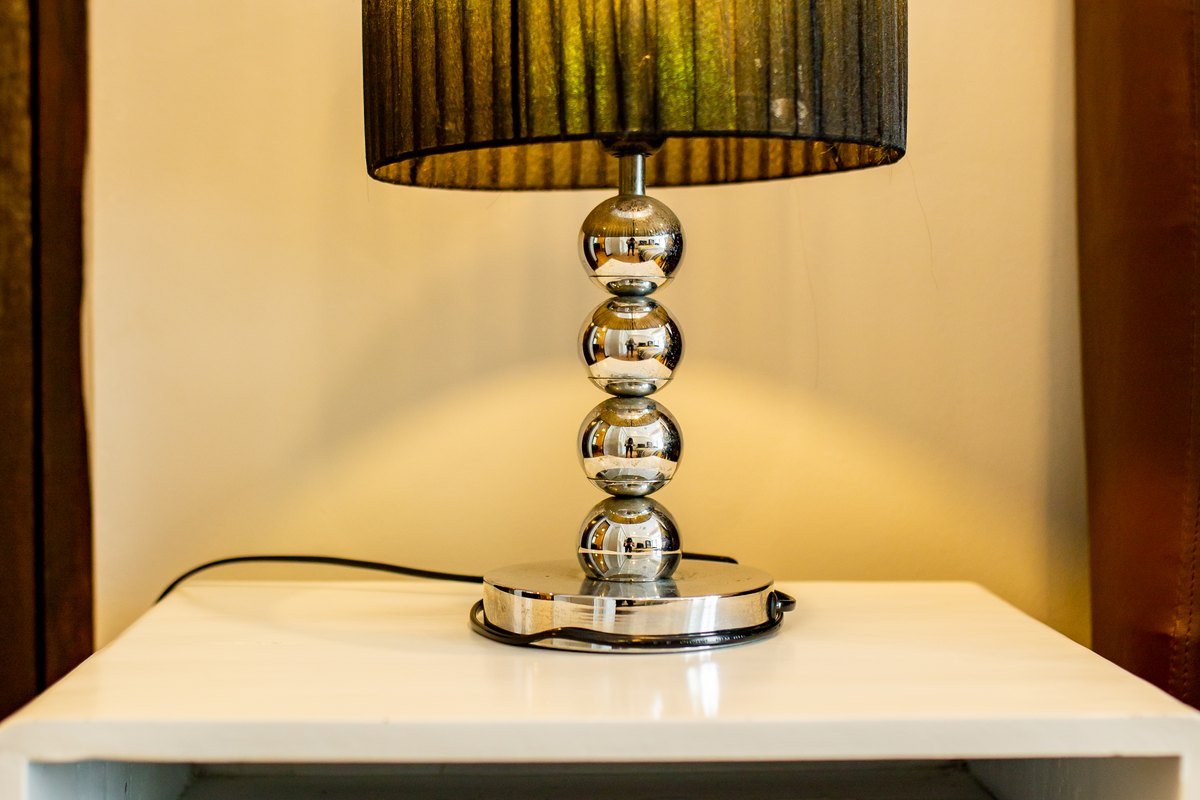
How to set up one or two spots where you can feed, rest, and recover with the essentials in arm’s reach, while keeping walkways clear and the baby’s sleep space safe.
9 min read
In the first weeks after birth, a lot of life happens in one or two places: the corner of the couch where you feed, the bed where you rest, the chair where someone hands you the baby at 3 a.m. A recovery station is simply a small set of supplies kept within reach of those spots, so you aren’t climbing stairs, digging through bags, or calling for help every time you need water, a pad, or a phone charger.
It doesn’t need to be a shopping project. Most of what goes into it is already in your home. What matters is where things live, who restocks them, and keeping safety in view while you’re tired.
Start with where you actually spend time
Before you set anything up, notice where you feed, rest, and change the baby most often. That’s where the main station goes, not where it would look tidiest. If your home has stairs, plan a second, smaller kit for the other floor so you aren’t carrying armfuls of supplies up and down while you heal.
Write one sentence that describes the problem you want to solve. “I keep running out of water during night feeds.” “The pads are upstairs and I’m downstairs all day.” A clear problem keeps the station small and makes it easy to tell whether it’s helping.
Then check the route between the station, the bathroom, and the baby’s sleep space. Clear cords, laundry baskets, and loose rugs out of the walkway, and add a low night-light so you can see your feet when you’re carrying the baby in the dark.
What to keep within reach
Use this as a menu, not a requirement. Start with the few items you reach for most, then add only what you find yourself getting up for.
For you
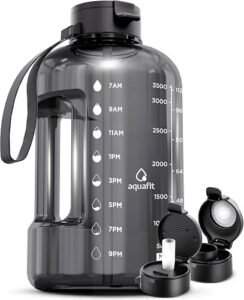
- A large water bottle with a closing lid, so a knocked-over drink doesn’t land on the baby or your phone
- Snacks you can eat with one hand, such as crackers, nut butter packets, granola bars, or fruit. Keep anything perishable in the fridge and bring out only what you’ll eat soon.
- The pads, peri bottle, and other recovery supplies your care team recommended, plus a small bag for disposal
- Any medicines you’ve been prescribed or told to take, kept in their original containers, with a note of the time you took each dose
- Lip balm, a hair tie, a phone charger with a long cable, and a pillow for your back or incision
For feeding
- Burp cloths and a spare top for you
- If you’re breastfeeding: nipple care products your clinician or lactation consultant suggested, breast pads, and a feeding pillow for support while you’re awake
- If you’re pumping or bottle feeding: clean, dry parts and bottles in a covered container, and a plan for getting used ones to the sink
- A simple feeding and diaper log if your pediatrician asked you to track them
For the baby
- Diapers, wipes, diaper cream, and a changing pad
- One or two changes of clothes and a swaddle or sleep sack, if you use one
- The baby’s own safe sleep space nearby, so there is always somewhere safe to set the baby down
For help and information
- A written list of phone numbers: your clinician, the after-hours line, your pediatrician, a lactation contact, and a friend who has offered to help
- A copy of the warning signs below
- A notepad for questions as they come up, so they’re ready for your next appointment
Keep the baby’s sleep space separate
A recovery station is a place for you to rest. It is not a place for the baby to sleep. The CDC supports the American Academy of Pediatrics’ safe sleep recommendations: place your baby on their back for every sleep, on a firm, flat surface such as a crib or bassinet mattress with a fitted sheet, in your room but not in your bed, with no pillows, blankets, bumpers, or soft toys in the sleep area.
That matters most when you’re exhausted. Couches and armchairs are not safe places for a baby to sleep, and it’s easy to drift off during a feed. If you feel yourself nodding off, put the baby back in their own sleep space or ask another adult to take over. Keep your own pillows and blankets on your side of the station, away from wherever the baby lies down. If you’re setting up a used bassinet or play yard, check it first with our guide to checking baby product recalls.
Small safety checks
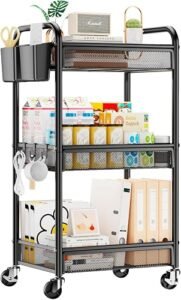
- Carts and caddies. Keep heavy items on the bottom shelf, lock the wheels, and don’t overload the top. A cart that tips is worse than no cart.
- Hot drinks. Use a lidded mug and set it down away from where you hold the baby.
- Medicines. If there are older children in the house, keep medicines up high and out of sight, not on a side table. MedlinePlus notes that child-resistant caps are not enough on their own. If a child swallows medicine, call Poison Control at 1-800-222-1222.
- Cords. Route charging cables and lamp cords away from the baby and off the floor where you walk.
For a wider look at your home as the baby grows, our room-by-room baby safety audit walks through sleep spaces, furniture, cords, and bath areas.
Decide who restocks it
A station only helps if it stays full. Pick one person, often a partner or helper, to own a quick daily check: refill water, replace snacks, restock pads and diapers, take away dishes and laundry. Owning the job means noticing what’s low without being asked. Our guide to sharing invisible household work explains why that distinction matters, especially in the weeks after birth.
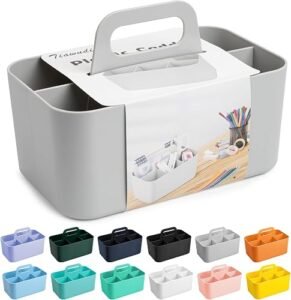
A short list taped inside the caddy lid helps anyone restock it without asking you what’s missing.
When the station tells you something
A recovery station also makes changes easier to notice. If you’re going through pads faster, pain is building instead of easing, or you’re too dizzy to get up, don’t wait for your scheduled visit. The CDC’s Hear Her campaign lists urgent warning signs that can happen up to a year after birth. Get medical care right away for:
- Heavy bleeding, soaking through one or more pads in an hour, or clots bigger than an egg
- A fever of 100.4°F (38°C) or higher, or discharge that smells bad
- A severe headache that doesn’t go away, or vision changes
- Chest pain, a racing heart, or trouble breathing
- Swelling, redness, or pain in one leg or arm
- Thoughts of harming yourself or your baby
Less urgent questions, like how long bleeding should last or when you can drive, are good ones to write on your notepad for your postpartum appointment.
Common mistakes
- Buying a complete kit before you know what you use. Start with what’s in the house and fill gaps after a few days.
- Letting the station creep into the sleep space. Pillows, blankets, and supplies belong near you, not in the crib or bassinet.
- Overloading a cart. Heavy items up top make it unstable.
- Adding products your care team didn’t suggest. Ask before using new creams, sprays, or supplements on healing skin.
- No plan for restocking. A station that empties by day three just becomes clutter.
Optional tools
None of these are required. They help most when the station needs to move between rooms or you keep running out of water.
- Rolling utility cart: useful if you move between rooms during the day. Look for a wide, stable base, wheels that lock, and shelves deep enough that items don’t slide off. View relevant rolling utility cart options on Amazon.
- Large water bottle: choose one with a lid you can open one-handed and a size you can lift easily when it’s full. View relevant large water bottle options on Amazon.
- Portable caddy: handy for a second, smaller kit on another floor. A sturdy handle and open compartments make it easy to see what needs restocking. View relevant portable storage caddy options on Amazon.
Station inventory that earns its place
- Water bottle and simple snacks you can eat one-handed
- Prescribed pain medicines with a written schedule—not a mystery pile
- Peri bottle, pads, and spare underwear within reach of the bathroom path
- Phone, charger, and clinician on-call number
- Burp cloths and a small trash bag so you are not hunting mid-feed
Duplicate a mini station upstairs/downstairs if stairs are painful. Restocking is part of shared postpartum work, not a favor.
If the recovery station is not getting used
- It is across the room: move water, meds (as prescribed), pads, phone, and snacks within arm’s reach of where you actually rest.
- Only one adult restocks: put restocking on the shared night/day checklist from sharing newborn nights.
- Meals are still the crisis: combine with post-baby meal survival.
- Pain or mood is worsening: call your clinician—stations support recovery; they do not replace care.
Frequently asked questions
Do I need to buy anything to set up a recovery station?
Usually not. A basket, a side table, and supplies you already have are enough to start. Buy a cart or caddy only if you find yourself carrying things between rooms every day.
Where should the baby sleep while I’m resting at the station?
In their own crib, bassinet, or play yard nearby: on their back, on a firm, flat surface, with no soft bedding. A couch or armchair is not a safe place for a baby to sleep.
How long will I use it?
Often for the first several weeks, while recovery and frequent feeds keep you in one place. Many people shrink it to a small caddy once they’re moving around more.
Key takeaways
- Build a within-reach station for the places you actually feed and rest.
- Stock water, prescribed medicines, peri-care supplies, phone charger, and simple snacks.
- Restock on a shared schedule so one person is not silently responsible.
- Call for medical or mental-health warning signs instead of waiting for a scheduled visit.
Related reads
Sources
- CDC – Providing Care for Babies to Sleep Safely
- CDC Hear Her – Urgent Maternal Warning Signs
- MedlinePlus – Medicine Safety and Children
Medical disclaimer
This is general information, not personal medical advice, diagnosis, or treatment. A clinician should guide decisions about symptoms, medicines, vaccines, pregnancy, or children. In an emergency, contact local emergency services.
Affiliate disclosure. This article contains Amazon affiliate links. If you buy through a qualifying link, Full Healthy Lives may earn a commission at no extra cost to you. Product mentions are optional, not medical advice.