
Preventive Health
Seeing a New Doctor? What to Bring So Nothing Gets Missed
What to bring to a first visit with a new doctor: past records, a medication list, family history, insurance details, and your top questions.
6 min read
What this guide covers: establishing care with a new clinician: what to bring, how to get old records transferred, and what to find out about how the practice works. For questions about your health to ask during the visit itself, see what to ask your doctor at a checkup. For yearly physical prep with a doctor who already knows you, see our annual physical checklist.
Why the first visit needs a little extra preparation
A new doctor does not yet know your medical story, priorities, or communication preferences. Good preparation helps the clinician distinguish current issues from old history and reduces duplicated tests. You do not need to carry every record you have ever received. Bring a clear summary and the documents most likely to influence decisions.
Administrative essentials
Bring identification, insurance or payment information if applicable, referral or authorization documents, completed registration forms, and contact details for previous clinicians and pharmacies. Confirm whether records must be transferred before the appointment. Arrive early enough to handle consent and privacy paperwork without cutting into consultation time.
A one-page health summary
Include major diagnoses, surgeries and hospitalizations with approximate dates, allergies and reactions, vaccinations, significant family history, and current specialists. Note important past test results and unresolved follow-up. A document wallet keeps papers together, while a concise summary keeps the conversation focused.
A complete medication list
Write the name, strength, dose, timing, reason, prescriber, and any side effects for prescriptions, nonprescription medicines, supplements, and herbal products. A medication-list notebook is useful if it is dated and updated. Bring original containers when names or doses are uncertain. Do not assume products described as natural are irrelevant.
Your current concerns and goals
List up to three priorities and describe when each began, frequency, triggers, associated symptoms, and effect on work, sleep, movement, or relationships. Bring short home logs when relevant. Also state what you hope the visit will accomplish: establish care, review medicines, evaluate a symptom, plan prevention, or coordinate specialists.
Relevant records
Useful items may include recent laboratory and imaging reports, pathology or operative reports, hospital discharge summaries, immunization records, pregnancy history, and advance-care documents. Ask the clinic what it can access electronically. Avoid handing over an unsorted bag of duplicates; label dates and sources.
Getting old records transferred: ask the new office whether it requests records for you or whether you should contact your previous practice directly. Either way, the previous office will usually need a signed release or request form, and transfers can take days to weeks, so start as soon as you book. Keep paper or downloaded copies of the few results that matter most in case the transfer is incomplete.
Questions about how the practice works
A first visit is also your chance to learn how this office runs, so you are not guessing later. Useful questions include:
- How do I get an urgent same-day appointment, and who covers evenings and weekends?
- How do I request prescription refills, and how much notice do you need?
- How will test results reach me, and how long should I wait before calling?
- When is a patient-portal message appropriate, and how quickly are they answered?
- Do you offer phone or video visits, and for what kinds of problems?
- How do referrals to specialists work, and will you receive their reports?
- Did my records from the previous practice arrive, and is anything missing?
Write the answers on your one-page summary. For questions about symptoms, results, prevention, and medicines, use our guide to questions to ask your doctor at a checkup. Before leaving, clarify the expected follow-up.
Safety and follow-through
Do not wait for a first routine appointment if you have severe or rapidly worsening symptoms. After the visit, update your summary, schedule referrals, complete agreed tests, and record medicine changes. If an instruction is unclear or unaffordable, contact the clinic rather than guessing or silently abandoning the plan.
Quick action checklist
Optional tools that may help
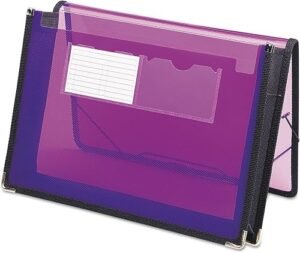
Option 1: Smead Poly Wallet with Secure Closure — A lightweight choice for carrying referral papers, recent reports, identification copies, and the visit checklist. Select a full-letter size and avoid overfilling it with unrelated records.
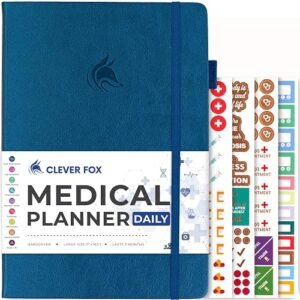
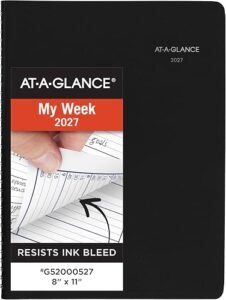
Option 2: Clever Fox Medical Planner and Health Journal — Helpful for maintaining a dated medication list, questions, appointments, and follow-up tasks across several visits. Review the page layout before buying because some editions emphasize daily symptom tracking.
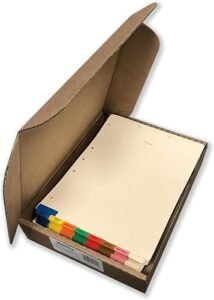
Option 3: Tabbies Medical Chart Index Dividers — Useful for a home binder arranged by medicines, laboratory tests, imaging, visits, and insurance. Confirm that the tab style fits your binder and keep the newest summary clearly marked.
More choices: Browse more first-appointment organizers — Use this broader link for document wallets, medication-list notebooks, and medical-record dividers after choosing the system you can update consistently.
If the first visit still feels incomplete
- You ran out of time: book a follow-up specifically for leftover questions, or send a portal message the same day.
- Records never arrived: call both offices; bring paper copies of the critical few results next time.
- You forgot family history: update it using how often to refresh family health history and send an addendum.
- Online advice conflicts with the new plan: verify with how to check health information online and ask the clinician before changing course.
For ongoing organization after the visit, compare a binder versus digital organizer and keep the one-page summary on top.
Frequently asked questions
Do I need to bring every old record?
No, a new clinician needs a clear summary, not your whole file. Bring a one-page history and the recent reports that affect this visit. Older papers can be sent later if the clinic asks.
What belongs on the medicine list?
Include prescriptions, nonprescription medicines, and supplements. Write the name, strength, dose, timing, and why you take each one. Bring the containers if a name or dose is uncertain.
What if I feel seriously unwell before that visit?
Do not wait for a routine new-patient slot if symptoms are severe or worsening quickly. Get care sooner. This checklist can help you prepare, but it cannot examine you.
Key takeaways
- Bring a one-page health summary and a complete medicine list—not an unsorted bag of every old paper.
- Limit the visit to a few priorities with clear timelines and impact.
- Confirm how results, refills, and after-hours care work before you leave.
- Do not wait for a routine new-patient slot if symptoms are severe or rapidly worsening.
Related reads
Medical disclaimer
This content is for general educational purposes only and is not medical advice, diagnosis, or treatment. Recommendations vary by person and location. Consult an appropriately qualified health professional about personal concerns. In an emergency, contact local emergency services.
Sources
- National Institute on Aging – What Do I Need to Tell the Doctor?: https://www.nia.nih.gov/health/medical-care-and-appointments/what-do-i-need-tell-doctor
- AHRQ – Questions Are the Answer: https://www.ahrq.gov/questions/index.html
Affiliate disclosure. This article contains Amazon affiliate links. If you buy through a qualifying link, Full Healthy Lives may earn a commission at no extra cost to you. Product mentions are optional, not medical advice.