
Parenting Products
Not Sure Your Nursery Is Safe? What to Check Before Baby Arrives
A nursery safety checklist before baby arrives: sleep space, furniture anchoring, cords, outlets, changing area, storage, lighting, monitors, and what to recheck after setup.
9 min read
A nursery can look finished and still hide risks a newborn or crawling baby will find first. The job is not to buy every gadget labeled “baby-safe.” It is to check the sleep space, the furniture, the cords, and the small objects—then recheck when anything moves.
Use this as a walk-through before baby comes home, and again after the crib, dresser, and changing setup are in their final places. Pair it with a later skill-based home safety recheck as your baby starts rolling, crawling, and climbing.
What this guide covers: setting up the nursery before your baby arrives: the sleep space, furniture anchoring, cords, outlets, and the changing area. For a walk-through of the rest of the home, see the room-by-room safety audit; for when to recheck as your baby starts rolling, crawling, and pulling up, see when to recheck baby safety at home.
Start at child height
Stand in the doorway, then kneel to approximate a crawling child’s view. Trace every cord, climbable drawer, unstable item, small object, sharp edge, and path to a window. Repeat whenever furniture moves or new gear arrives. If you are accepting hand-me-downs, run the same checks in our secondhand baby gear guide before anything enters the room.
Safe sleep space first
Safe sleep is non-negotiable even when adults are exhausted. Night-sharing plans belong in the conversation in how to share newborn nights—not in improvised soft bedding.
Furniture anchoring and tip-over risk
Dressers, bookshelves, and changing tables can tip when a child climbs drawers. Anchor furniture to studs with hardware rated for the piece. Keep drawers closed; remove climber-friendly clutter from the top. Do not rely on “we will watch them” as the tip-over plan.
Cords, windows, outlets, and monitors
- Window coverings: prefer cordless where possible; keep cords unreachable.
- Outlets: covers or tamper-resistant receptacles help, but they are not enough alone—combine with supervision and larger hazard fixes.
- Monitors and chargers: mount cords tight to the wall; keep the unit and cables outside the crib. A monitor supports awareness; it does not replace safe sleep or a capable caregiver.
- Lighting: a dim night light can help adults move safely; keep it and its cord out of reach.
Changing area and storage
Keep one hand on the baby during changes when possible; never leave a baby unattended on a raised surface. Store powders, ointments, bags, and small objects out of reach. Separate clean and soiled items. Avoid stacking heavy boxes on dressers that are not anchored.
Room-by-room extras beyond the crib
- Smoke and carbon monoxide alarms tested; know the sound.
- Working flashlight or phone light for outages.
- Doorways and stairs gated when mobility starts—install correctly per manufacturer instructions.
- Pets’ toys, coins, button batteries, and magnets kept out of the room.
For a wider home audit after baby is mobile, use a room-by-room safety audit alongside this nursery pass.
Relevant Amazon options to compare
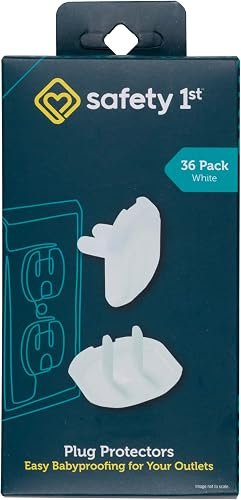 Safety 1st outlet plug covers — Simple removable covers to compare for unused outlets, with attention to fit and choking risk when removed.
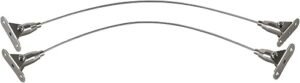
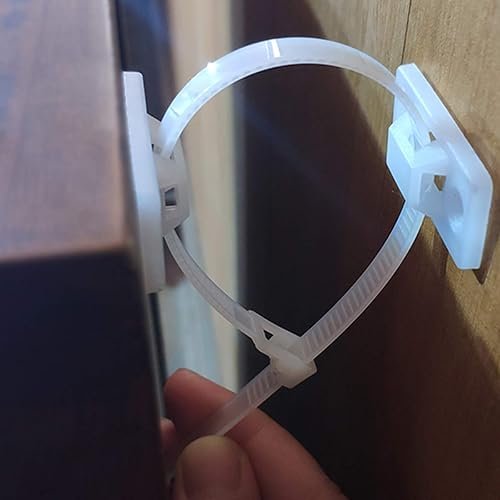 Furniture anti-tip anchor kit — A hardware category to compare based on furniture type, wall construction, load rating, and included fasteners.
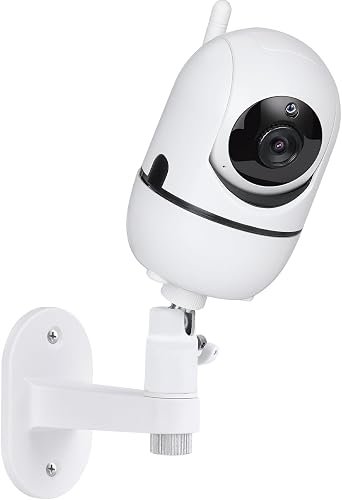 Universal baby monitor wall mount — A mounting option that can help keep the camera and cord away from the crib when installed exactly as directed.
- Browse more outlet covers, furniture anchors, and monitor mounts — Use the criteria in this guide to compare additional models, current sizes, and configurations rather than choosing from the first search results.
Common mistakes
- Decorating the crib with soft items that look cute but raise sleep risk
- Leaving cords for blinds, monitors, or lamps within reach
- Skipping anchors because the dresser “is heavy”
- Treating outlet covers as complete babyproofing
- Never rechecking after furniture moves or new skills appear
If the nursery still does not feel safe
- Too much stuff: remove nonessentials until walkways and the sleep space are clear.
- Rental limits on drilling: ask the landlord about approved anchors; use freestanding low storage if walls cannot be modified—and keep climbable drawers empty or locked.
- Shared room: apply the same sleep-surface and cord rules beside the adult bed; do not improvise soft bedside nests.
- You keep finding new hazards: schedule a 10-minute monthly scan and after every developmental leap.
Zone-by-zone checklist before baby arrives
Splitting the room into zones makes the walk-through faster and easier to share with a partner. Tick each zone off once, a few weeks before the due date, then again after the last piece of furniture is in place.
Sleep zone
Changing zone
Feeding and rocking zone
Window wall
How to anchor nursery furniture properly
Tip-overs injure young children every year, often when a child pulls on open drawers or climbs them like a ladder. Anchoring takes about 20 minutes per piece:
- Empty the drawers so the piece is light and easy to move.
- Find a wall stud with a stud finder; use the fixings for your wall type if there is no stud where you need it.
- Attach the bracket to the top back of the furniture with the screws supplied, not into thin backing board alone.
- Fix the wall bracket and connect the strap so there is little slack; the piece should not lean forward more than a finger’s width.
- Pull a loaded drawer open and press down on it. Nothing should rock forward.
- Anchor any TV in the room too, and keep the remote and toys off the top of furniture so they do not invite climbing.
The CPSC’s Anchor It campaign has fitting guides for common wall types. Renters can usually patch small screw holes when they move out; ask the landlord if you are unsure.
Temperature and safe sleep basics
The American Academy of Pediatrics and the CPSC share the same core advice for every sleep, including naps:
- Place baby on their back, on a firm, flat surface made for infant sleep.
- Keep the space bare: fitted sheet only, with no bumpers, pillows, blankets, or soft toys.
- Room-share without bed-sharing, ideally for at least the first six months.
- Avoid overheating. Dress baby in no more than one layer more than an adult would be comfortable in, and use a wearable blanket instead of loose bedding.
- Skip weighted sleep sacks, weighted swaddles, and inclined sleepers.
There is no single “correct” thermostat number. Aim for a room that feels comfortable to a lightly dressed adult, and check baby’s chest or back of the neck rather than hands and feet, which often feel cool. Sweating, damp hair, or flushed skin means they are too warm. Keep heaters and humidifiers well away from the crib, and if the room feels damp or stuffy, use our indoor air quality checklist to deal with humidity and mold first. For exactly what can and cannot go in the crib, see the safe sleep space checklist.
What to recheck at 4 and 6 months
A nursery that was safe for a newborn becomes less safe as your baby learns new skills. Put these two dates in your calendar now.
Around 4 months: rolling and reaching
- Stop swaddling as soon as baby shows signs of trying to roll, and switch to arms-free sleepwear.
- Remove crib mobiles and hanging toys once baby can push up on hands and knees, or by the age the maker states.
- Recheck that monitor cords and blind cords are well beyond reach from the crib, since reach grows quickly.
- Move the changing supplies further out of reach. Grabbing starts here.
Around 6 months: sitting, pulling up, and soon crawling
- Lower the crib mattress before baby can sit unassisted or pull up, following the crib’s instructions.
- Get down to floor level again and look for small objects, button batteries, coins, and loose screws from assembly.
- Fit gates at the nursery doorway and stairs now, before crawling starts; our baby gate guide explains which type suits each opening.
- Retest every furniture anchor and add outlet protection to any newly reachable outlets.
After 6 months, keep repeating a quick scan after each new skill, such as crawling, cruising, and climbing, rather than waiting for a fixed date.
Quick action checklist
Frequently asked questions
Are outlet covers enough?
No. They are one layer. Combine them with cord management, furniture anchoring, supervision, and removing tempting climb points.
Where should the monitor go?
Outside the crib, with cords secured so they cannot reach the baby. Follow the monitor maker’s placement guidance.
Key takeaways
- Prioritize a clear, firm, flat sleep space before any décor.
- Anchor furniture, manage cords and window coverings, and keep small objects out of reach.
- Check recalls for cribs, bassinets, and other gear before first use.
- Recheck the room after furniture moves and when your baby gains new skills.
- Check the room zone by zone before birth, keep it comfortably cool, and recheck at about 4 and 6 months as rolling and pulling up begin.
Related reads
Medical disclaimer
This is general information, not personal medical advice, diagnosis, or treatment. A clinician should guide decisions about symptoms, medicines, vaccines, pregnancy, or children. In an emergency, contact local emergency services.
Sources
- U.S. Consumer Product Safety Commission – Recalls
- CPSC – Durable Infant or Toddler Products
- CDC – Providing Care for Babies to Sleep Safely
- HealthyChildren.org (AAP) – A Parent’s Guide to Safe Sleep
- CPSC – Anchor It! Furniture and TV Tip-Over Prevention
Affiliate disclosure. This article contains Amazon affiliate links. If you buy through a qualifying link, Full Healthy Lives may earn a commission at no extra cost to you. Product mentions are optional, not medical advice.