
Parenting Products
Traveling With a Baby? How to Choose a Safe, Portable Travel Crib
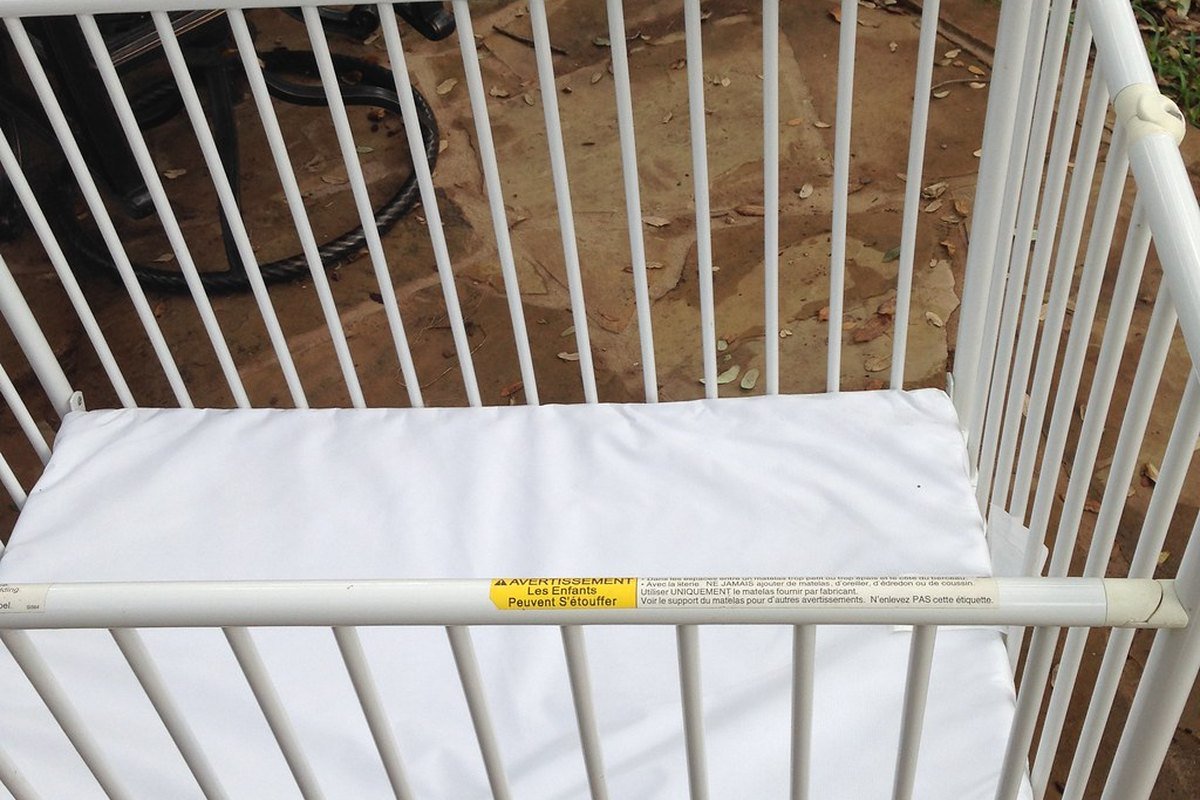
Compare travel cribs and play yards by sleep safety, setup, mattress fit, portability, cleaning, limits, and suitability for real trips.
8 min read
Start with your family’s real use case
Do a full rehearsal one week before travel: unpack, lock, fit the correct sheet, place the crib in a hazard-free area, take it down, repack it, and time the process. Confirm it fits the luggage plan and destination floor space.
Understand the main product types
Traditional play yard. A sturdy multi-use frame that may include approved accessories, with a relatively larger packed size.
Lightweight travel crib. Prioritizes portability and quick travel setup, sometimes using a floor-resting structure.
Compact bedside or bassinet product. May suit only an earlier developmental stage; limits and sleep-use approval must be checked carefully.
Key criteria to compare before buying
- A product specifically intended and approved for infant sleep in the country where it will be used.
- A firm sleep surface and sheet made for the exact model, with no added mattress, topper, pillow, bumper, or padding.
- A frame that locks completely with no damaged rails, mesh, floor, fasteners, or missing parts.
- Age, weight, height, and developmental limits for the main unit and every accessory.
- A packed weight, carry shape, setup sequence, and cleaning process workable for the actual journey.
Relevant Amazon options to compare
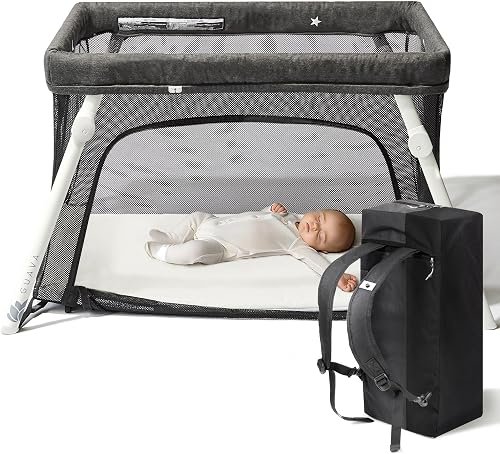 Guava Lotus Travel Crib — A lightweight floor-resting travel crib to compare for air travel and a side access panel.
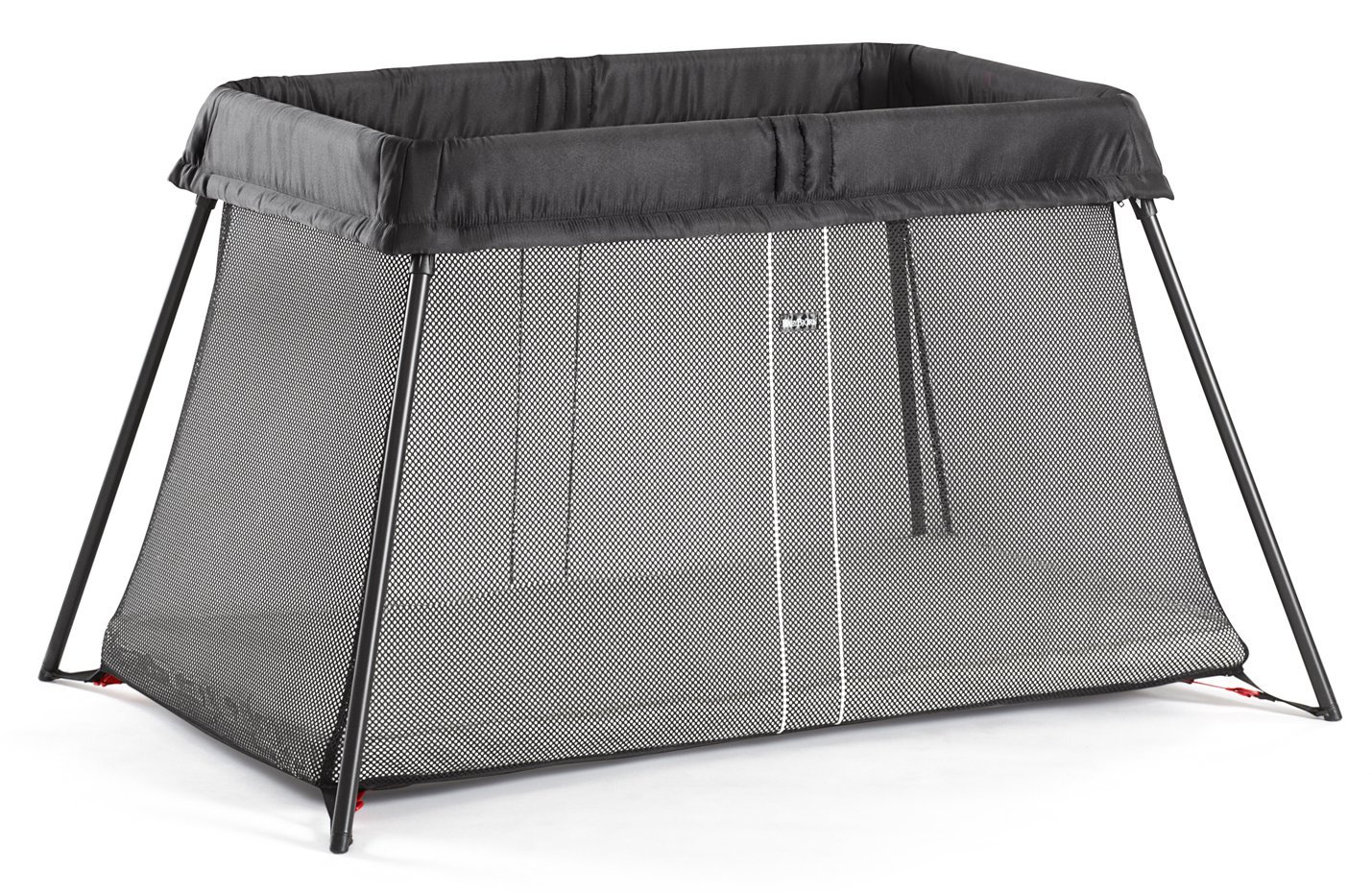 BabyBjorn Travel Crib Light — A compact travel crib to compare for simple setup and portability.
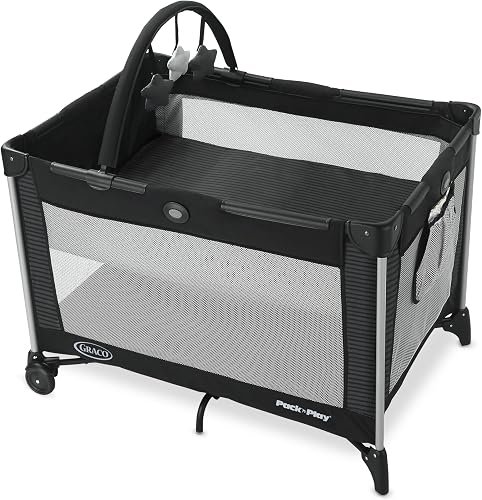 Graco Pack n Play — A traditional play-yard family to compare for home-and-travel flexibility; check the exact model’s included accessories and limits.
- Browse more play yards, travel cribs, and fitted sheets — Use the criteria in this guide to compare additional models, current sizes, and configurations rather than choosing from the first search results.

Common mistakes and why they matter
- Adding a second mattress or padded topper to make the surface feel softer.
- Using an accessory after the baby reaches its limit or can push up, roll, sit, or climb as restricted.
- Assuming a hotel crib is safe without inspecting its parts, mattress fit, and condition.
- Practicing setup for the first time after an exhausted late-night arrival.
Can I add a mattress to a travel crib?
Do not add an aftermarket mattress or padding unless the product manufacturer expressly supplies and approves it for that exact sleep configuration.
Are play yards safe for overnight sleep?
A compliant product intended for sleep can be used within its instructions, with the approved firm surface and a bare sleep area.
What should I do with a recalled unit?
Stop using it and follow the recall remedy. Do not donate, resell, or pass it to another family.
Safe sleep rules still apply away from home
Travel changes almost everything about a baby’s day, but the basics of safe sleep stay the same. The American Academy of Pediatrics’ safe sleep guidance, summarized on HealthyChildren.org, recommends:
- Placing a baby on their back for every sleep, naps included.
- Using a firm, flat, level surface covered only by a fitted sheet made for that product.
- Keeping the sleep space bare: no pillows, blankets, bumpers, or soft toys.
- Room-sharing without bed-sharing, with the crib close to the parents’ bed.
Holidays and hotel rooms make it tempting to bring the baby into the adult bed “just for one night,” or to let them sleep in a car seat or stroller after arriving. If a baby falls asleep in a car seat, move them to the travel crib once you reach your destination. Our safe sleep space checklist goes through the details.
Checking a hotel or borrowed crib on arrival
Many hotels and relatives offer a crib or play yard, which can save carrying your own. Treat it like any secondhand product and spend five minutes on it before the first nap:
- Find the label with the brand, model, and manufacture date, and check it against the CPSC recall list if you can.
- Confirm all four sides are fully locked up and the floor is secure. Play yards in the U.S. must meet a federal standard (16 CFR part 1221), but damage and missing parts can still make one unsafe.
- Inspect the mesh and fabric for tears, loose threads, or holes that could catch fingers or buttons.
- Check that the mattress or pad is the one supplied for that model and lies flat with no gaps at the edges. Remove extra mattresses, quilts, or “comfort” padding the hotel may have added.
- Ask for a replacement, or set up your own crib, if anything is missing or broken.
Choose the right spot in the room
Unfamiliar rooms come with hazards you do not have at home. When you set up the crib:
- Keep it away from windows and blind or curtain cords. The CPSC warns that accessible window covering cords can strangle a young child and says cordless coverings are safest. Where cords exist, move the crib out of reach of them.
- Keep it away from heaters, lamps, electrical cords, and anything a baby could pull into the crib through the mesh.
- Check the room temperature. Dress the baby in layers or a wearable blanket rather than adding loose blankets.
- Leave space around the crib so it does not sit against bedding, curtains, or furniture a curious baby could reach.
A short packing list for the travel crib
- The crib or play yard, its own mattress pad, and two fitted sheets made for that exact model, so you have a spare after a diaper leak.
- A wearable blanket or sleep sack suited to the destination’s temperature.
- The instruction sheet, or a photo of it on your phone, for setup after a late arrival.
- A small night light so you can check on the baby without switching on room lights.
- Familiar bedtime cues such as a book or a white-noise app, which can help a baby settle in a new place without adding anything to the sleep space.
For the rest of the trip, our car seat safety check covers the journey itself.
Naps and bedtime in a new place
A travel crib is only part of getting a baby to sleep away from home. Set the crib up as soon as you arrive, so it is ready before your baby is overtired. Keep your usual bedtime steps, such as a bath, feed, book, or song, even if they are shorter than at home. For small time-zone shifts, many families simply keep home times for a day or two; for larger ones, moving naps and bedtime toward local time with daylight in the morning can help. If the crib is in a shared room, a portable blackout cover for the window, never draped over the crib itself, can make naps easier.
Final takeaway
The best outcome from this travel crib buying guide is not a single product name. For play yards, travel cribs, and fitted sheets, prioritize correct use and sustainable maintenance over novelty.
Sources
- U.S. Consumer Product Safety Commission — Recalls
- CPSC — Durable Infant or Toddler Products
- HealthyChildren.org (AAP) – A Parent's Guide to Safe Sleep
- eCFR – 16 CFR Part 1221: Safety Standard for Play Yards
- CPSC – Window Covering Cords
Related reads
Affiliate disclosure. This article contains Amazon affiliate links. If you buy through a qualifying link, Full Healthy Lives may earn a commission at no extra cost to you. Product mentions are optional, not medical advice.