
Parenting Products
Always Missing Something in the Diaper Bag? A Packing List by Baby Age
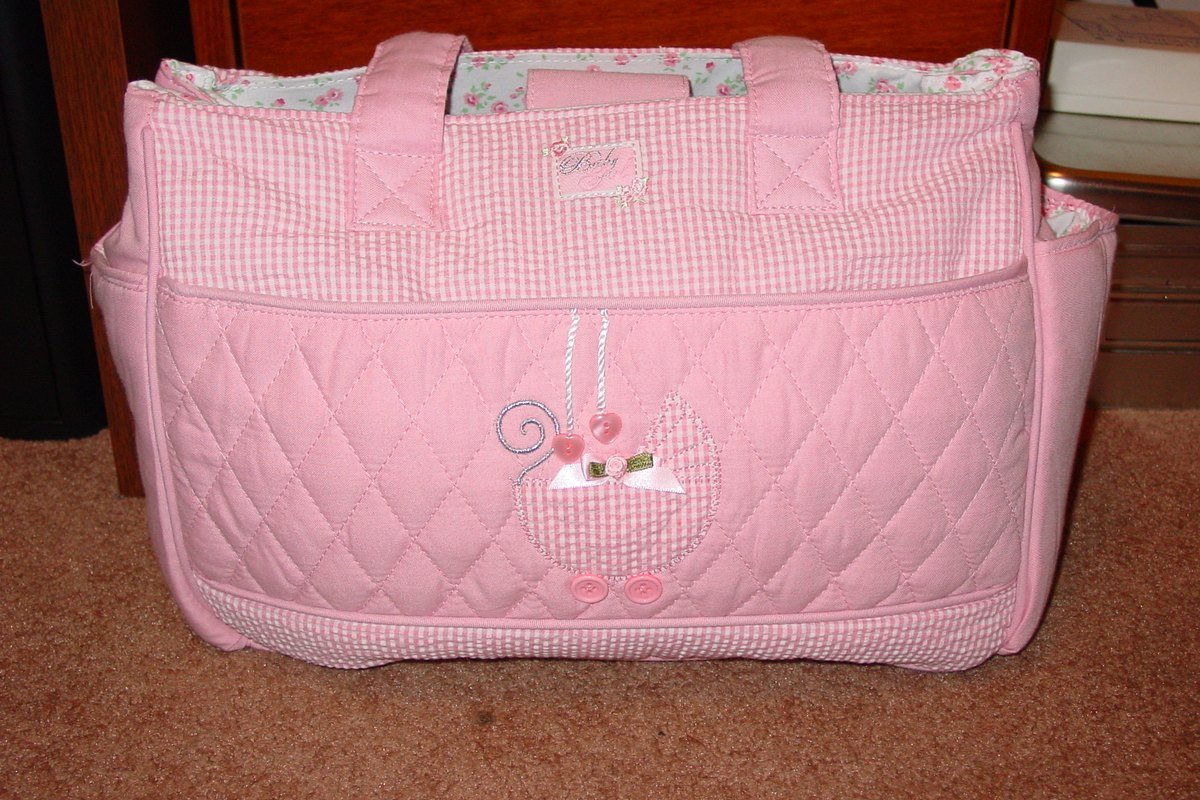
A diaper-bag packing list by baby age and trip length: what to bring, what to leave out, how to reset the bag weekly, and what to do when you keep forgetting the same item.
5 min read
A diaper bag fails in two opposite ways: it is missing the one thing you need in a public restroom, or it is so overpacked that you cannot find anything with one hand. The fix is not a perfect bag brand. It is a packing list matched to your baby’s age, the length of the outing, and a weekly reset habit.
Start with the outing, not the Pinterest list
For a one-hour clinic visit, a compact change kit may be enough. A half-day park trip needs feeding and weather planning. Travel days need a delay reserve kept where you can reach it—not buried in checked luggage. Write the outing type on a sticky note inside the bag until the habit sticks.
If you are also choosing gear like a high chair or stroller, use the same rule: match the product to your real routine, then verify recalls before you rely on it.
Core kit (every age, every outing)
Packing list by baby age
Newborn
- Extra diapers and burp cloths; spit-up doubles laundry needs
- Feeding supplies matched to your method (prepared feeds only with safe time/temperature control)
- A swaddle or lightweight layer if the destination is cold-aired
- A spare pacifier if you use one, stored clean
Older baby (sitting, starting solids)
- Age-appropriate snacks or food pouches your clinician has cleared for your baby
- Bibs, a spoon, and a cup if you use them away from home
- A simple toy or teether that can be washed
- Sun or weather protection that actually fits the stroller or carrier you use
Toddler
- Water and snacks that prevent the “meltdown in aisle four” pattern
- Toilet-learning supplies if relevant
- A compact activity (stickers, small book) for waits
- A change of clothes including socks—toddlers invent new ways to get wet
Trip-length add-ons
- Clinic visits: documents, a spare onesie, quieter toys; leave bulky picnic gear at home.
- Half-day outings: weather layer, extra water, sun protection, and a snack buffer.
- Travel days: a delay kit with extra diapers, a full clothing change, and feeding supplies for an unexpected hour on the tarmac—kept in the carry-on.
Common mistakes that create chaos
- Packing for every unlikely event until the bag is painful to carry and impossible to search
- Leaving medicine, sanitizer, plastic bags, or small objects where a child can reach them
- Forgetting to replace outgrown clothing, expired items, or depleted wipes
- Packing prepared milk or perishable food without appropriate time and temperature control
If you keep forgetting the same item
- Wipes or diapers: store a sealed travel pack in the stroller basket and the car glove box as backups—not as an excuse to skip the weekly reset.
- Changing mat: clip a compact mat to the bag zipper so it cannot be left on the dryer.
- Keys / wallet: those are adult items; give them a fixed pocket and stop burying them under diapers.
- Everything: print a one-line checklist taped under the bag flap and tick it before you leave.
Can’t find anything when the baby is screaming? Pack by zones
Most diaper-bag stress is not about missing items. It is about digging for an item you did pack while holding a wriggling baby with one arm. Zone packing fixes that by giving every category one fixed home, so your hand goes to the right spot without looking.
Zone 1: the change pouch
Put two or three diapers, a slim pack of wipes, a folded changing mat, and one small trash bag in a single zip pouch. In a public restroom you grab only the pouch and leave the main bag on your shoulder or on the stroller, away from the floor.
Zone 2: feeding and comfort
Keep feeding supplies, a burp cloth, a bib, and a pacifier together in an insulated or easy-to-wipe section. If you use bottles, pack a clean empty bottle separately from used ones so you never mix them up on the way home.
Zone 3: the adult pocket
Phone, keys, wallet, adult medicine, and a copy of your child’s emergency health information card live in one zipped pocket that stays closed. That keeps adult medicines out of curious hands and stops your own essentials from vanishing under spare clothes.
Packing for real-life situations
Solo outing with a baby and a toddler
Choose a backpack-style bag so both hands stay free, and add a toddler snack and water bottle to the outside pocket where an older child can reach them without unpacking everything. Our guide to choosing kids’ water bottles that don’t leak helps you avoid a soaked bag.
Babywearing days
If you carry your baby rather than push a stroller, every gram counts. Strip the bag to the change pouch, one outfit, and feeding basics, and check that the bag strap does not cross or press on the carrier’s fit and positioning.
Daycare drop-off versus your own outings
Daycare usually wants labeled spares left on site. Keep the daycare supplies in a separate labeled tote so your everyday bag is not slowly emptied without you noticing.
Weekly bag reset
After each substantial outing, and at least weekly: empty trash, wash reusable mats and wet bags, replace used supplies, check clothing size, and remove seasonal items you no longer need. A bag that is never emptied becomes a forgotten science experiment.
Do you need a special diaper bag?
No. Any comfortable, durable, cleanable bag works if it keeps essentials organized and hazards secured. Backpack styles free a hand for a carrier or toddler. Totes can work for short trips. Compare compartments, wipeable linings, and whether you can open it one-handed—then check current recalls before you rely on hand-me-down bags with broken hardware.
Relevant Amazon options to compare
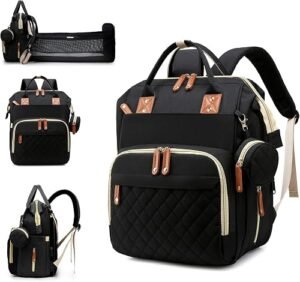
 RUVALINO diaper bag backpack — A multi-compartment backpack style to compare for hands-free carrying and organization.
 Skip Hop portable changing mat — A compact changing station option to compare for short trips or use inside an existing tote.
- Ubbi reusable wet bag — A washable zip bag to compare for damp clothing, cloth items, or contained messes; follow cleaning directions.
- Browse more diaper bags, changing mats, and wet bags — Use the criteria in this guide to compare additional models, current sizes, and configurations rather than choosing from the first search results.
Quick action checklist
Frequently asked questions
How many diapers should I pack?
Base the number on your child’s usual pattern and trip length, then add a small delay buffer—not an entire bulk pack.
How often should I reset the bag?
After each substantial outing and at least weekly.
Key takeaways
- Pack from a core kit first, then add only what this age and outing actually need.
- Keep a small delay buffer—not a suitcase of ‘just in case’ items.
- Reset the bag weekly so sizes, seasons, and supplies stay current.
- Store hazards (medicine, sanitizer, small objects) where the child cannot reach them.
Related reads
Medical disclaimer
This is general information, not personal medical advice, diagnosis, or treatment. A clinician should guide decisions about symptoms, medicines, vaccines, pregnancy, or children. In an emergency, contact local emergency services.
Sources
- U.S. Consumer Product Safety Commission – Recalls
- CPSC – Durable Infant or Toddler Products
- CDC – Emergency List for Families With Infants and Young Children
Affiliate disclosure. This article contains Amazon affiliate links. If you buy through a qualifying link, Full Healthy Lives may earn a commission at no extra cost to you. Product mentions are optional, not medical advice.