
Parenting Products
Kids' Water Bottles Leaking or Smelly? How to Choose and Clean Them
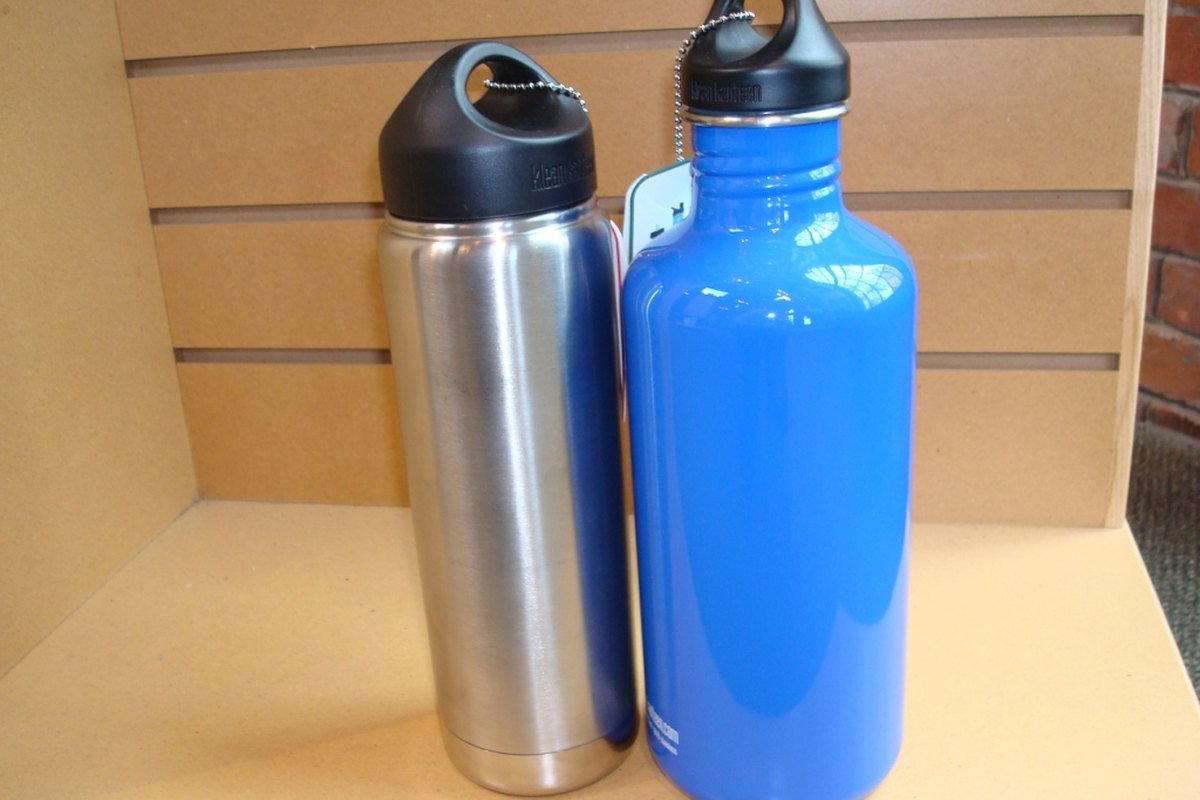
Compare kids water bottles by material, size, cleaning, leak resistance, insulation, straw design, durability, and independent use.
8 min read
Start with your family’s real use case
Fill each candidate to its normal level, weigh it, let the child carry it, and practice opening and closing ten times. Put the closed bottle on its side over a paper towel, then inspect all seals after a realistic bag shake.
Understand the main product types
Insulated stainless steel. Helps slow temperature change and resists everyday impacts, but is heavier and may dent.
Lightweight plastic. Easy to carry and visually inspect, with care limits for heat, scratching, and replacement.
Simple open-spout or straw design. Fewer pieces may clean more easily; valves can reduce spills but add hidden surfaces.
Key criteria to compare before buying
- A filled weight and diameter the child can carry and that fits the backpack or cup holder.
- A lid the child can open, close, and drink from without touching dirty surfaces.
- A parts diagram and cleaning method that reach every straw, valve, gasket, thread, and vent.
- Clear manufacturer guidance for dishwasher use, hot liquids, insulation, and replacement parts.
- A leak test that passes after repeated opening, closing, dropping within ordinary use, and bag movement.
Relevant Amazon options to compare
 Thermos FUNtainer bottle — An insulated straw bottle to compare for school use, replaceable straws, and cold drinks.
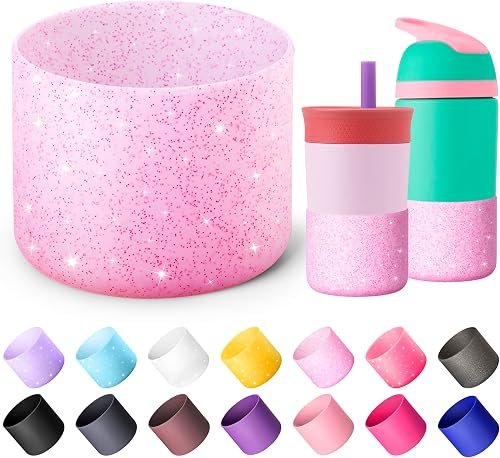 Owala Kids Flip bottle — A handled flip-straw style to compare for one-handed opening and backpack use.
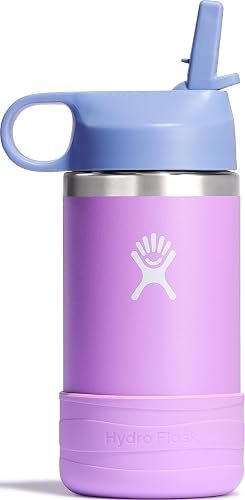 Hydro Flask Kids bottle — An insulated wide-mouth option to compare for durability, handle design, and cold beverages.
Common mistakes and why they matter
- Buying a large bottle that returns home nearly full because it is too heavy to use.
- Treating “dishwasher safe” as applying to every component without checking the instructions.
- Reassembling valves or gaskets while damp.
- Putting hot liquid in a child’s bottle unless the product explicitly permits it and the use is age-appropriate.
Is stainless steel safer than plastic?
Material alone does not decide suitability. Use a food-contact product from a responsible maker and follow its temperature, cleaning, and replacement guidance.
Why does a clean bottle smell?
Odor often remains in a gasket, valve, straw, scratch, or damp enclosed space. Disassemble only as directed, clean all parts, dry fully, and replace damaged components.
How often should a bottle be replaced?
Replace it when parts are cracked, deeply scratched, deformed, persistently contaminated, missing, or no longer seal, or when the maker specifies replacement.
How to clean a water bottle properly
Most smells and slimy spots come from parts that never fully dry, especially lids, straws, and silicone seals. A thorough daily routine prevents most problems:
- Take it apart. Remove the lid, straw, mouthpiece, and any removable gasket or valve. Many bottles have a seal that pops out of the lid.
- Wash in hot, soapy water. Use a bottle brush for the inside and a narrow straw brush for straws and spouts.
- Rinse well to remove soap residue.
- Air-dry fully apart. Let every piece dry upside down on a rack or clean towel before reassembling.
- Use the dishwasher only if the label says it is safe, usually on the top rack.
The CDC’s guidance on cleaning infant feeding items follows the same basic pattern of separating parts, scrubbing with a dedicated brush, and air-drying, which is a useful model for children’s bottles and cups too.
Spotting mold and knowing when to replace a bottle
Check the hidden spots once a week: under the lid seal, inside the straw, and in the threads of the cap. Replace the bottle or part if you see:
- Black, pink, or green spots that come back after scrubbing.
- A smell that remains after a full wash and dry.
- Cracks, deep scratches, or a lid that no longer seals, which can trap moisture and food.
- A chewed or torn straw or mouthpiece. Many brands sell replacement parts, which is often cheaper than a new bottle.
Encourage water only in the bottle during school or activities. Milk, smoothies, and juice leave residues that make smells and mold more likely, and if your child does use the bottle for them, wash it the same day.
Materials: stainless steel, plastic, or glass
- Stainless steel is durable and does not hold onto smells easily. Insulated versions keep water cold but are heavier, and dents can break the insulation seal.
- Plastic is light and inexpensive, which suits younger children. Choose bottles labeled for food use and follow the heat and dishwasher instructions. According to the FDA, BPA-based materials are no longer authorized for baby bottles and sippy cups because manufacturers abandoned that use.
- Glass with a silicone sleeve is easy to clean but heavy, and may not be allowed at some schools.
Whatever the material, a wide mouth that fits a brush and a lid with few small parts will make daily cleaning far easier than any other feature.
How much water children need
HealthyChildren.org, the American Academy of Pediatrics’ parent site, gives general guidance that varies by child, activity, and weather:
- Babies can be introduced to water around 6 months and only need about 4 to 8 ounces a day until age 1, because most of their fluid still comes from breast milk or formula.
- Children ages 1 to 3 need about 4 cups of fluids a day, including water or milk.
- Children ages 4 to 8 need around 5 cups a day.
- Older children need about 7 to 8 cups a day.
They may need more on hot days or during sports. A bottle that holds roughly what your child needs between refills, and that they can open by themselves, makes it more likely they will actually drink it.
A lost-bottle and labeling routine
Bottles go missing at school, in cars, and at practice, and sometimes they come home days later. A few habits save money and stop old water from sitting in a forgotten bottle:
- Label the bottle and the lid separately with your child’s name.
- Make “bottle in the sink” part of the after-school unpacking routine.
- Keep one spare in rotation so a bottle can dry fully overnight while the other goes to school.
- Throw out any water left in a bottle that has been forgotten in a bag, then wash the bottle before it is used again.
Choosing a bottle by age
- Toddlers: a spill-resistant straw or spout with as few small parts as possible. Supervise use, and check valves and straws for damage, since detachable parts can be a choking risk.
- Preschool and early school age: a lid the child can open and close without help, a carry loop, and a size that fits the backpack pocket.
- Older children: a larger bottle for sports or long days, and a wide mouth for easier cleaning.
Lid-parts cleaning checklist
- Take the lid fully apart, including straws, valves, and gaskets, at least daily.
- Use a small brush on straws and threads where residue collects.
- Let every part air-dry completely before reassembling.
- Replace cracked lids, torn valves, or anything with mold that does not wash away.
Final takeaway
The best outcome from this best water bottles for kids is not a single product name. For stainless-steel and plastic water bottles, prioritize correct use and sustainable maintenance over novelty.
Sources
- U.S. Consumer Product Safety Commission — Recalls
- CPSC — Durable Infant or Toddler Products
- U.S. Food and Drug Administration — Food-contact materials and BPA information
- CDC – How to Clean, Sanitize, and Store Infant Feeding Items
- FDA – Bisphenol A (BPA): Use in Food Contact Application
- HealthyChildren.org (AAP) – Choose Water for Healthy Hydration
Related reads
Affiliate disclosure. This article contains Amazon affiliate links. If you buy through a qualifying link, Full Healthy Lives may earn a commission at no extra cost to you. Product mentions are optional, not medical advice.