
Parenting Products
Struggling to Choose a High Chair? Check Stability, Cleaning, and Daily Use
How to choose a high chair for your real kitchen: stability, restraint, cleaning, foot support, footprint, and a try-before-you-commit checklist—plus what to do when cleanup or fit fails.
10 min read
High chairs look similar online and feel very different at 6:30 p.m. with a sticky tray and a toddler who wants out. The right chair is the one adults will actually buckle every time, that fits your space, and that you can clean without dread. This guide helps you compare types and criteria—not crown a single “best” model.
Start with your household’s real use case
If meals happen in a narrow kitchen, measure the chair with legs and tray fully deployed. If grandparents will use it, test how many steps it takes to adjust and buckle. If cleanup drives most of your frustration, prioritize removable parts that the manufacturer says can go in the dishwasher—and believe reviewers who mention crumbs in seams.
Pair this decision with other daily-use gear checks like your diaper bag packing system and stroller features: products earn a place when they reduce friction in the routine you already have.
Main product types
- Traditional full-size chair: standalone frame with tray; often more features and more joints to clean.
- Grow-with-child chair: adjustable seat and footrest can last longer; usually a higher initial cost; confirm restraint options for each stage.
- Hook-on / table chair: compact for small spaces or travel; only for compatible sturdy tables—never glass, loose, folding, or pedestal tables the maker forbids.
Criteria that matter more than color
Relevant Amazon options to compare
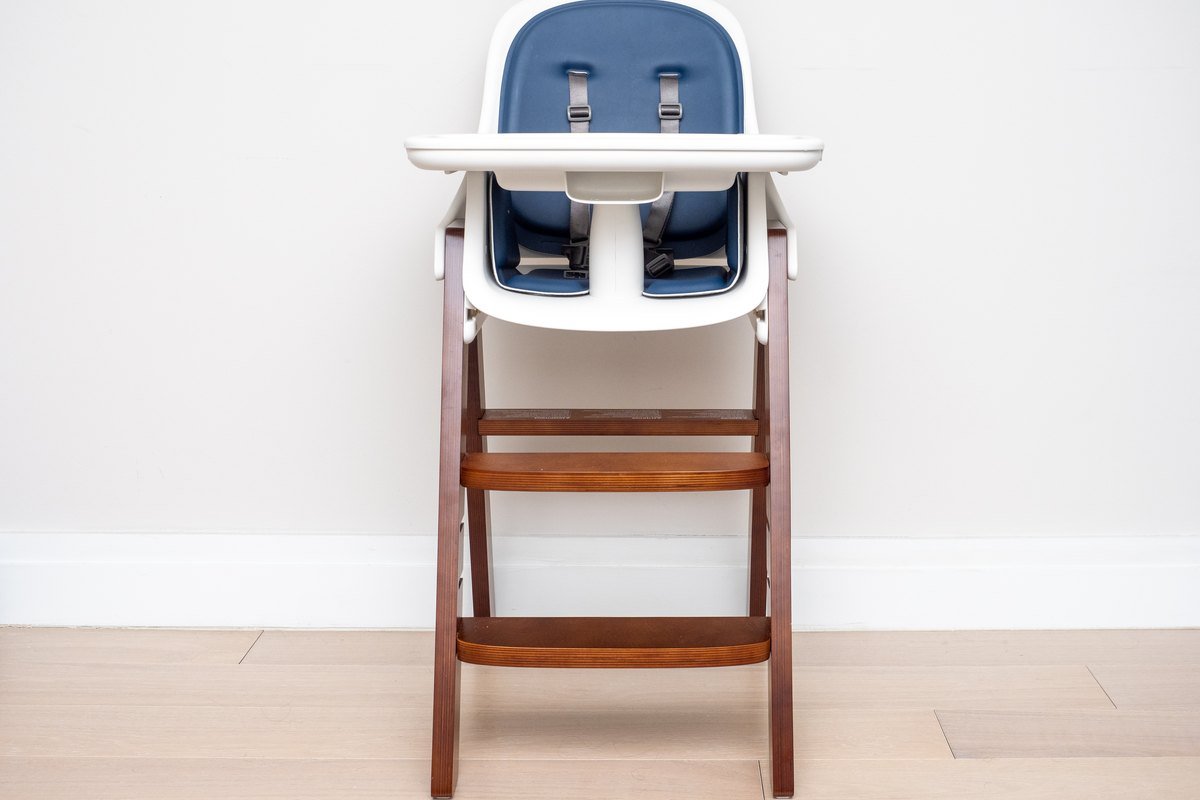
 Stokke Tripp Trapp chair — A grow-with-child wooden chair to compare for adjustable seat and footrest geometry.
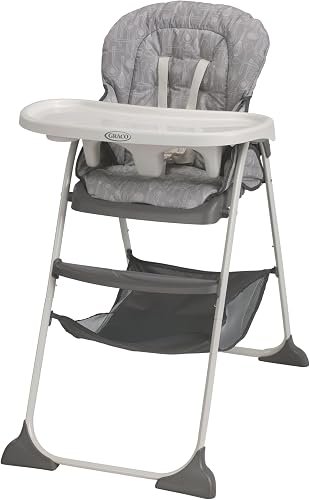 Graco Slim Snacker high chair — A folding full-size option to compare when quick storage and an integrated tray matter.
 Inglesina Fast Table Chair — A hook-on option to compare for compatible sturdy tables and portable use.
- Browse more high chairs and splash mats — Use the criteria in this guide to compare additional models, current sizes, and configurations rather than choosing from the first search results.
Try-before-you-commit checklist
- Buckle and unbuckle one-handed while holding a soft toy the size of your baby.
- Wipe the tray and straps; notice trapped seams.
- Sit the chair where it will live; check whether the child can push off a wall or counter.
- Read the weight, age, and developmental limits on the box—not only the marketing headline.
- Search the exact model on the CPSC recalls site before you buy or accept a hand-me-down.
Common mistakes
- Relying on the tray instead of fastening the restraint
- Placing the chair where the child can push against a wall or counter
- Using a hook-on chair on an incompatible tabletop
- Underestimating how trapped food in straps affects whether adults keep using the chair
- Adding cushions or footrests not approved for that exact model
If the chair is not working
- Nobody buckles it: simplify. A chair with a faster harness beats a fancy one adults bypass.
- Cleaning takes longer than the meal: remove fabric covers if the maker allows, or switch to a model with fewer seams. A splash mat helps floors; it does not fix filthy straps.
- Child slides or slouches: check foot support and seat depth against the maker’s guidance; do not stack random pillows.
- Hook-on feels sketchy: stop using it. Re-read table compatibility. When unsure, move to a floor-standing chair.
When is a baby ready?
Follow the chair maker’s developmental and size criteria. Stable upright sitting matters. Ask your child’s clinician if you are unsure—especially for preterm babies or children with low muscle tone.
When to get help
Stop using a chair that tips, has broken restraint parts, or appears on a recall list. For feeding concerns (choking risk, extreme refusal, pain), talk with your pediatric clinician—equipment cannot solve medical feeding issues.
A five-minute stability test, in the store or at home
Spec sheets rarely tell you how a chair behaves on your floor with a wriggling child. Run this test on a floor model, or within the return window after assembly, before the chair becomes part of every meal.
- Set it up exactly as you will use it. Lock every leg, set the seat at the height you plan to use most, and attach the tray. A chair that is steady at its lowest setting can feel very different at full height.
- Push the backrest sideways and backward. Use moderate pressure at the top of the seat back, roughly what a child leaning hard to one side would apply. The base should stay planted, with no leg lifting off the floor.
- Rock it diagonally. Press down on one front corner of the tray, then the opposite back corner. Wobble here usually points to a leg that is not fully locked or a floor that is uneven under the footprint.
- Check the wheels and brakes. If the chair rolls, engage the brakes and push. Locked wheels should not creep on tile or wood.
- Try the tray release. It should need a deliberate adult action, not a bump from a kicking foot, and it should not pinch fingers between the tray and seat.
- Measure push-off distance. In its usual spot, the chair should be far enough from the table edge, counters, and walls that the child’s feet cannot reach them to shove backward.
If any step fails and tightening the parts the instructions point to does not fix it, return the chair rather than living with a wobble.
How to clean a high chair, by material
Most high chairs that end up abandoned are dirty ones, not unsafe ones. A short routine that matches what the chair is made of keeps cleanup to a few minutes. Always check the care label first, because some pads and straps cannot be machine washed.
Plastic trays and frames
Scrape off solids, then wash the tray insert with warm soapy water or put it in the dishwasher only if the maker says it is dishwasher safe. Wipe the frame with a damp cloth and dry the hinges so crumbs do not cake into the folding joints.
Fabric and foam seat pads
Spot-clean daily with a damp cloth and a drop of mild soap. Wash removable covers on the schedule the label allows, and let them dry completely before refitting so the foam underneath does not stay damp.
Wooden chairs
Wipe with a barely damp cloth and dry right away. Avoid soaking wood or using harsh cleaners that strip the finish, and check for raised splinters along the seat edge every few weeks.
Straps and buckles
Straps trap the most food. Dip the buckle in a cup of warm water and press the release several times to flush it, then wipe the webbing. If the instructions allow removing the harness, remove and wash it monthly. Never cut or re-thread straps in a different pattern to make cleaning easier.
A useful habit is to clean while the next meal is planned: if dinners are already chaotic, our family meal plan for the newborn months cuts down how often the chair sees a full, messy meal.
Harness, tray, and footrest fit by stage
The same chair needs different settings as your child grows. Recheck these each time something about meals changes.
New sitters, around 6 to 9 months
- Use the full harness, with shoulder straps at or just above the shoulders if the chair allows that adjustment.
- Fit the straps snugly enough that you can slide only a finger or two under them.
- Keep the tray close enough that the child can rest forearms on it without leaning forward.
- Use any infant insert only within the weight and age range the maker lists.
Confident sitters, around 9 to 18 months
- Raise the shoulder straps as the child grows and recheck the crotch post every time the tray goes on.
- Set the footrest so feet rest flat with knees bent at roughly a right angle; dangling feet make children slump and squirm.
- Watch for standing attempts. A child who tries to stand in the seat needs the harness fastened every time, without exceptions for “just a snack.”
Toddlers, around 18 months and up
- Move to the toddler configuration only when the instructions say the child qualifies by weight, height, and ability.
- If the chair converts to a seat at the family table, check the table height so the child is not reaching up to eat.
- Keep the harness in use for as long as the maker specifies, even if your child can climb in alone.
When to stop using the high chair
Every chair has a limit, and passing it quietly is how many falls happen. Move on when any of these apply:
- Your child reaches the maximum weight or height printed on the chair or in the manual.
- They can climb in or out on their own, or stand up in the seat despite the harness.
- Restraint parts are cracked, frayed, or no longer click firmly.
- Legs, locks, or the tray release stay loose after you tighten them as the instructions show.
For a toddler who has outgrown the chair, a booster seat that straps to a sturdy adult chair or a grow-with-child chair in its toddler setting are the usual next steps. Choose whichever one your child will actually stay seated in.
Check recalls and wear every few months
High chairs stay in use for years and are often passed between families, so a one-time check at purchase is not enough. Every three months or so, look up the exact model and production date on the CPSC recall list using our step-by-step recall check, register the chair with the maker so you hear about fixes directly, and inspect straps, buckles, and leg locks while you are at it. For a used chair, find the manufacture date on its label: in the U.S., chairs made on or after June 19, 2019 had to meet the federal high chair standard for stability and restraints, so an older chair needs an even closer look.
Tie this to the broader home recheck you do as your child gains new skills, as described in when to recheck your home safety setup, and include the kitchen in a room-by-room safety audit so the chair is not parked next to a stove, cords, or a counter your child can grab.
Quick action checklist
Frequently asked questions
Is a five-point harness always required?
Use the restraint system supplied and required by the manufacturer. Never remove parts or treat the tray as restraint.
Can I add a cushion or footrest?
Only accessories approved for that exact chair. Improvised additions can change fit, restraint, stability, or cleaning.
Key takeaways
- Choose for stability, restraint you will actually use, cleanability, and footprint—not color.
- Match chair type (full-size, grow-with-child, hook-on) to your space and table compatibility.
- Practice buckling and cleaning before the first sticky meal.
- Check recalls and skip unapproved cushions or tray-as-buckle shortcuts.
- Run a push-and-rock stability test, clean by material, and stop using the chair once your child reaches its limits or can climb out.
Related reads
Medical disclaimer
This is general information, not personal medical advice, diagnosis, or treatment. A clinician should guide decisions about symptoms, medicines, vaccines, pregnancy, or children. In an emergency, contact local emergency services.
Sources
- U.S. Consumer Product Safety Commission – Recalls
- CPSC – Durable Infant or Toddler Products
- HealthyChildren.org (AAP) – 6 Quick High Chair Safety Tips
- CPSC – New Federal Standard to Improve Safety of High Chairs
Affiliate disclosure. This article contains Amazon affiliate links. If you buy through a qualifying link, Full Healthy Lives may earn a commission at no extra cost to you. Product mentions are optional, not medical advice.